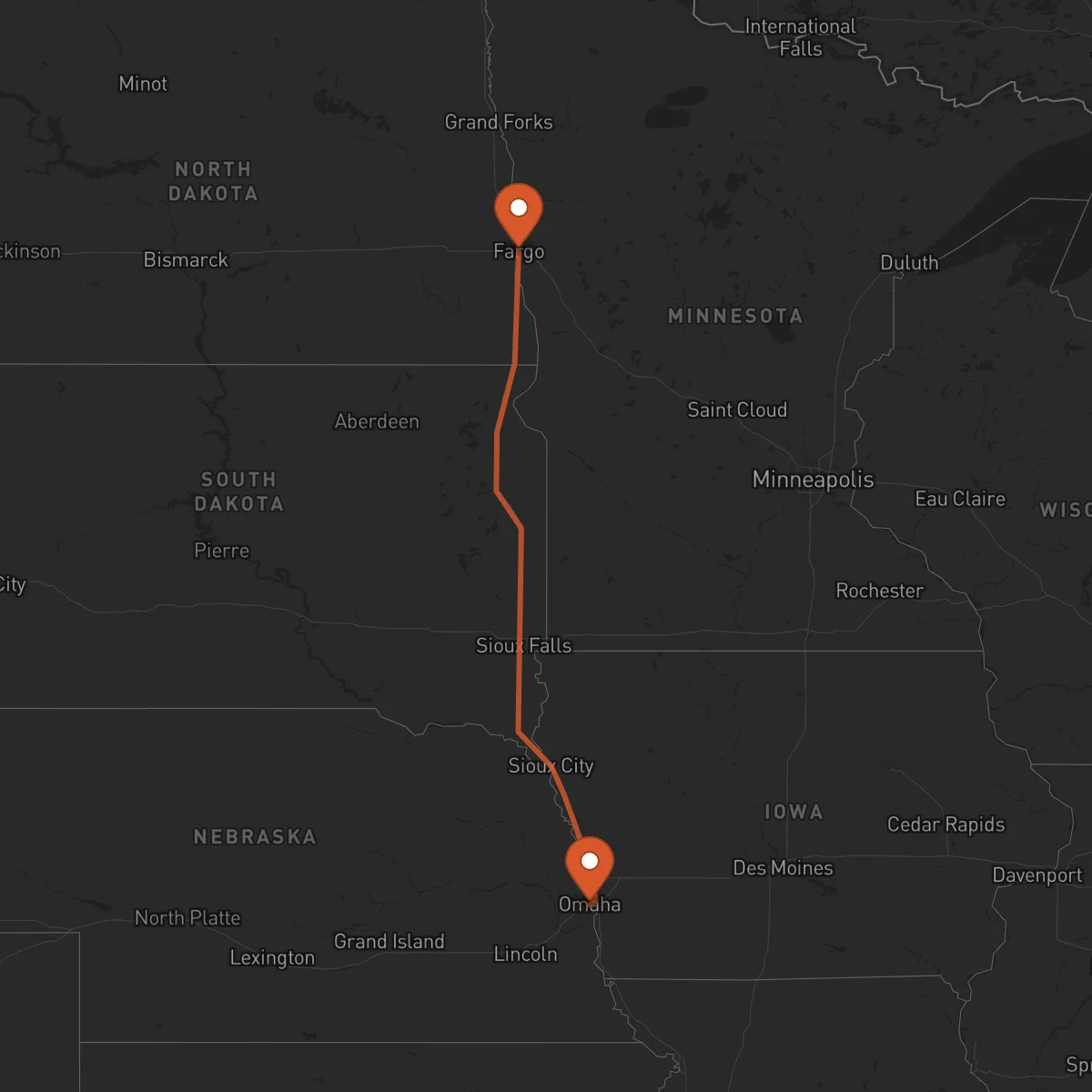
Omaha to Fargo
Fargo → OmahaFTL freight transportation service between Omaha and Fargo. Reliable logistics solutions for your business.
Route Description
Everything you need to know about the corridor Omaha - Fargo
The Omaha to Fargo corridor represents a vital logistics connection in the Midwest, spanning approximately 629 kilometers through the heart of America's agricultural and industrial regions. This north-south route links two significant economic centers, facilitating the movement of goods between Nebraska's largest city and North Dakota's primary commercial hub. The corridor traverses diverse terrain and crosses state lines, making it a crucial pathway for regional commerce and supply chain operations.
The economic importance of this corridor extends beyond its two endpoints. The region is characterized by a strong agricultural base, with extensive grain production, livestock operations, and food processing facilities. Additionally, the area has developed significant manufacturing capabilities, particularly in agricultural equipment, machinery, and industrial products. This economic diversity creates consistent freight demand throughout the year, with peak seasons aligned with harvest cycles and industrial production schedules.
Control Terrestre provides comprehensive FTL (Full Truckload) transportation services along this corridor, leveraging our network of certified carriers and strategic partnerships. Our specialized equipment options, including dry vans, refrigerated units, and flatbeds, ensure we can handle diverse cargo types from agricultural products to industrial machinery. Our experienced logistics team coordinates seamless cross-border operations, managing documentation, compliance requirements, and real-time tracking to ensure your freight moves efficiently between Omaha and Fargo.
Services for this Route
Available services for the corridor Omaha - Fargo
 Origin
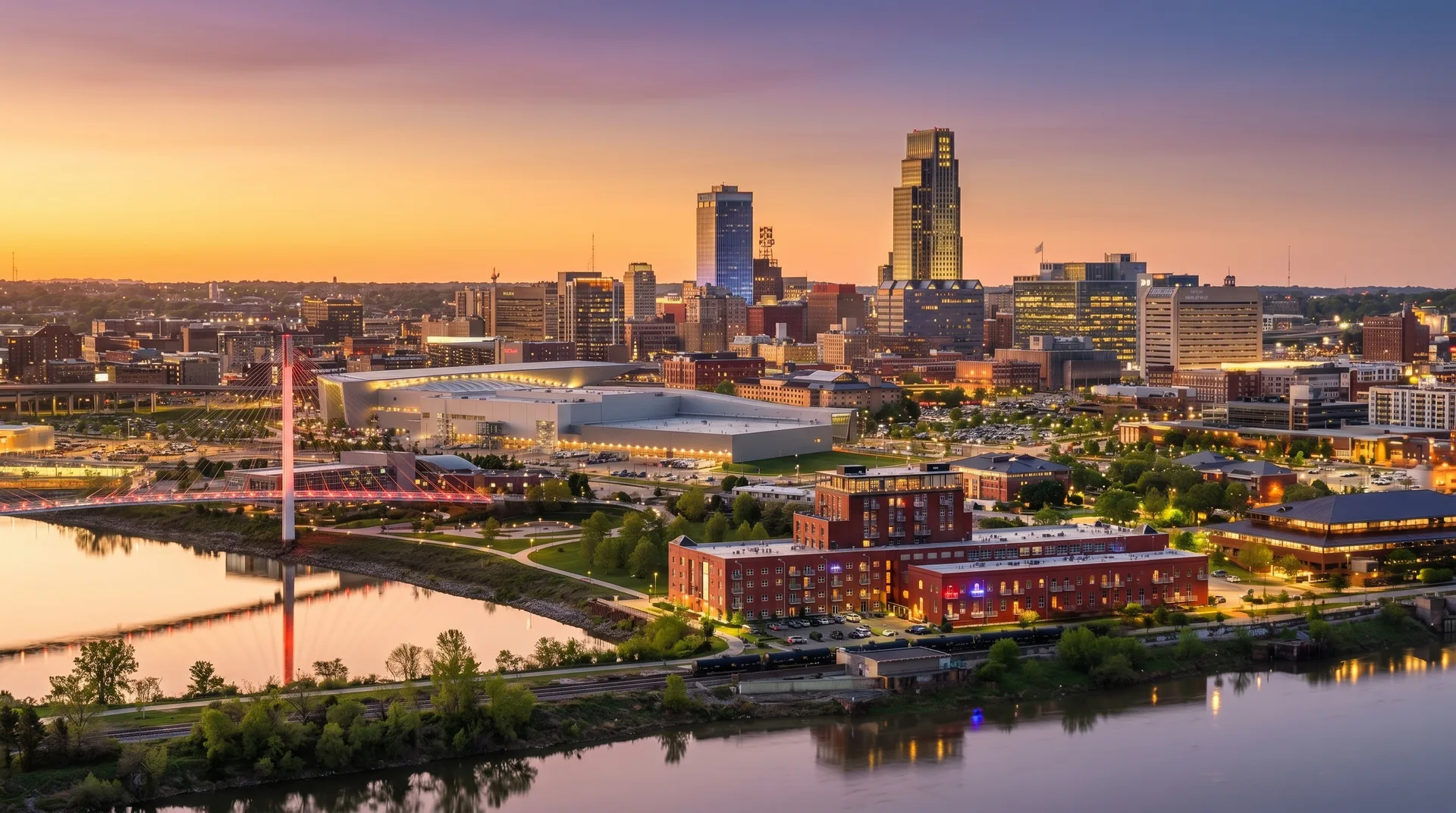
Omaha
Omaha serves as a major logistics hub in the Midwest, strategically positioned along the Missouri River with excellent transportation connectivity. The city's central location makes it an ideal distribution point for freight moving throughout the central United States. Omaha's economy is diverse, with strong presence in insurance, finance, telecommunications, and healthcare sectors, complemented by significant agricultural and food processing industries. The city hosts major corporate headquarters and benefits from its proximity to Interstate 80, one of the nation's primary east-west freight corridors.
The transportation infrastructure in Omaha is robust, featuring multiple interstate highways including I-80, I-29, and I-480, providing excellent connectivity in all directions. Eppley Airfield offers air cargo services, while the Union Pacific Railroad maintains a major presence in the city. The Port of Omaha on the Missouri River provides barge transportation options, and the city's extensive network of warehousing and distribution centers supports its role as a regional logistics hub.
 Destination
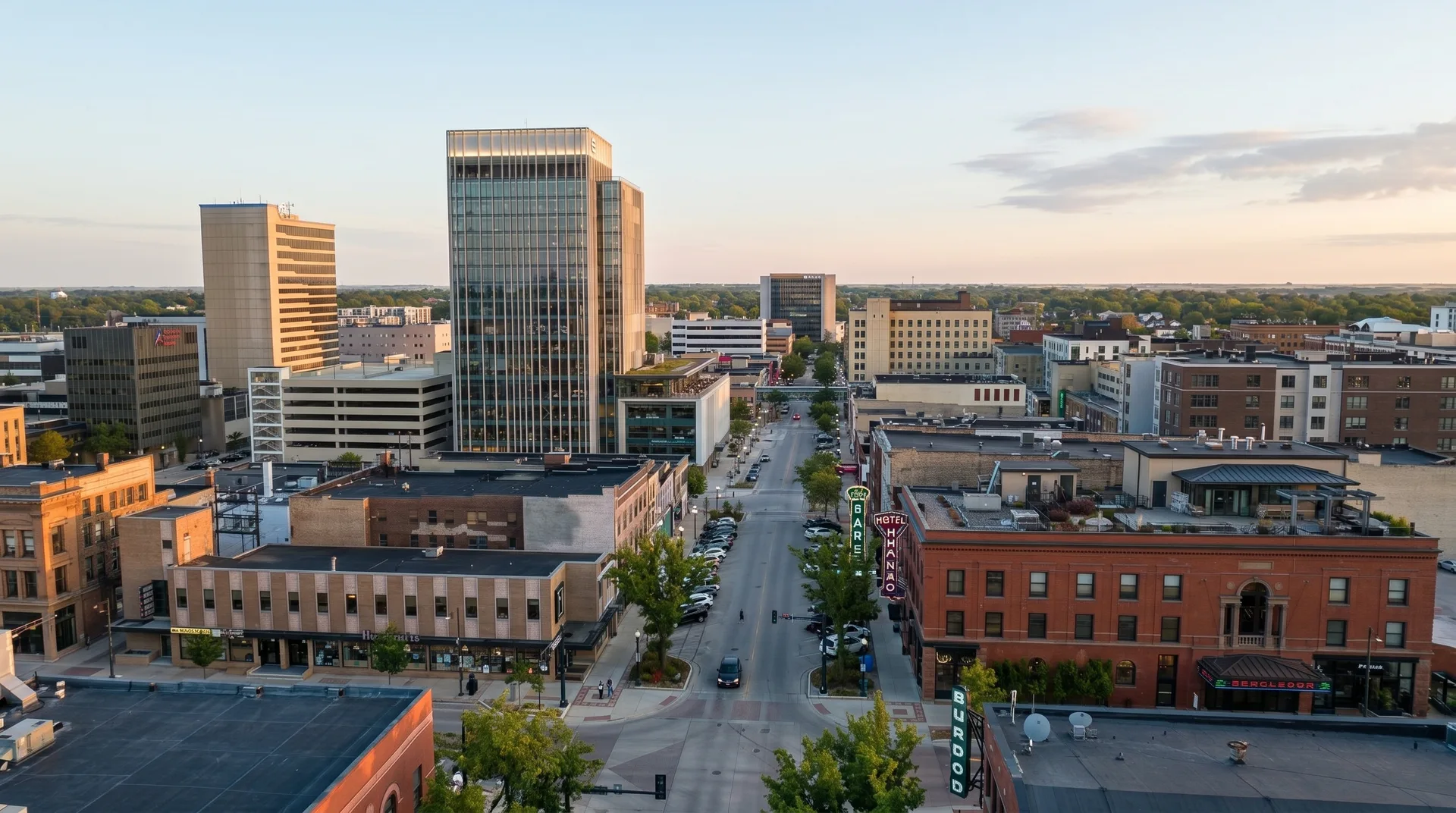
Fargo
Fargo stands as North Dakota's largest city and serves as a critical economic center for the northern plains region. The city's strategic location at the intersection of major transportation routes makes it a vital distribution point for goods moving throughout the upper Midwest. Fargo's economy is anchored by healthcare, education, manufacturing, and technology sectors, with a growing presence in agricultural technology and food processing. The city's proximity to the Red River Valley, one of the nation's most productive agricultural regions, enhances its importance in food distribution and agricultural supply chains.
The transportation infrastructure in Fargo is well-developed, centered around Interstate 29 running north-south and Interstate 94 running east-west, creating a major crossroads for freight movement. Hector International Airport provides air cargo services, while the BNSF Railway maintains significant operations in the area. The city's extensive network of highways, modern warehousing facilities, and cold storage capabilities support its role as a regional distribution center, particularly for agricultural products and food-related cargo.










