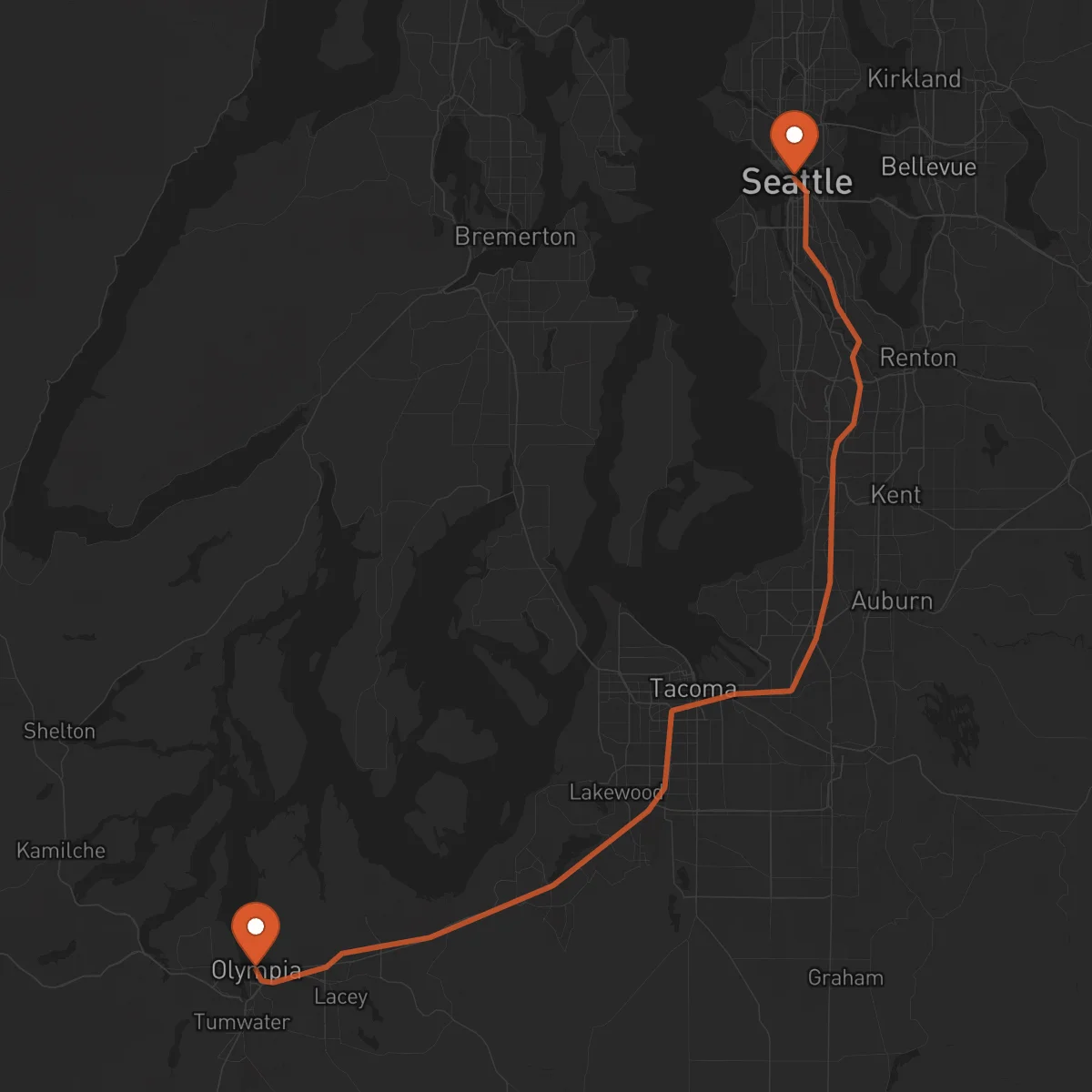
Olympia to Seattle
Seattle → OlympiaFTL freight transportation service between Olympia and Seattle. Reliable logistics solutions for your business.
Route Description
Everything you need to know about the corridor Olympia - Seattle
The Olympia-Seattle corridor represents one of the most vital logistics connections in Washington State, linking the state capital with the largest city in the Pacific Northwest. This 75-kilometer route connects two fundamental economic centers, facilitating the efficient movement of goods between government operations in Olympia and the bustling commercial hub of Seattle. The corridor traverses the I-5, the main north-south artery of the West Coast, ensuring reliable and fast transportation for freight operations.
The region surrounding this corridor is characterized by a diverse economic landscape, combining government services, technology, aerospace, maritime trade, and advanced manufacturing. Seattle, home to major corporations like Amazon, Microsoft, and Boeing, demands constant and efficient supply of materials and products. Meanwhile, Olympia, as the political and administrative center of Washington, requires regular transportation of specialized goods and equipment. This corridor is crucial for maintaining the economic dynamism of both cities and the entire Puget Sound region.
Control Terrestre optimizes operations on this corridor through our network of certified carriers and specialized equipment. We offer full truckload (FTL) services that ensure your cargo travels directly from origin to destination without intermediate stops, maintaining the integrity and security of your merchandise. Our experience in the Washington market allows us to navigate local regulations and offer flexible solutions adapted to the specific needs of each industry, from technology to food products requiring controlled temperature.
Services for this Route
Available services for the corridor Olympia - Seattle
 Origin
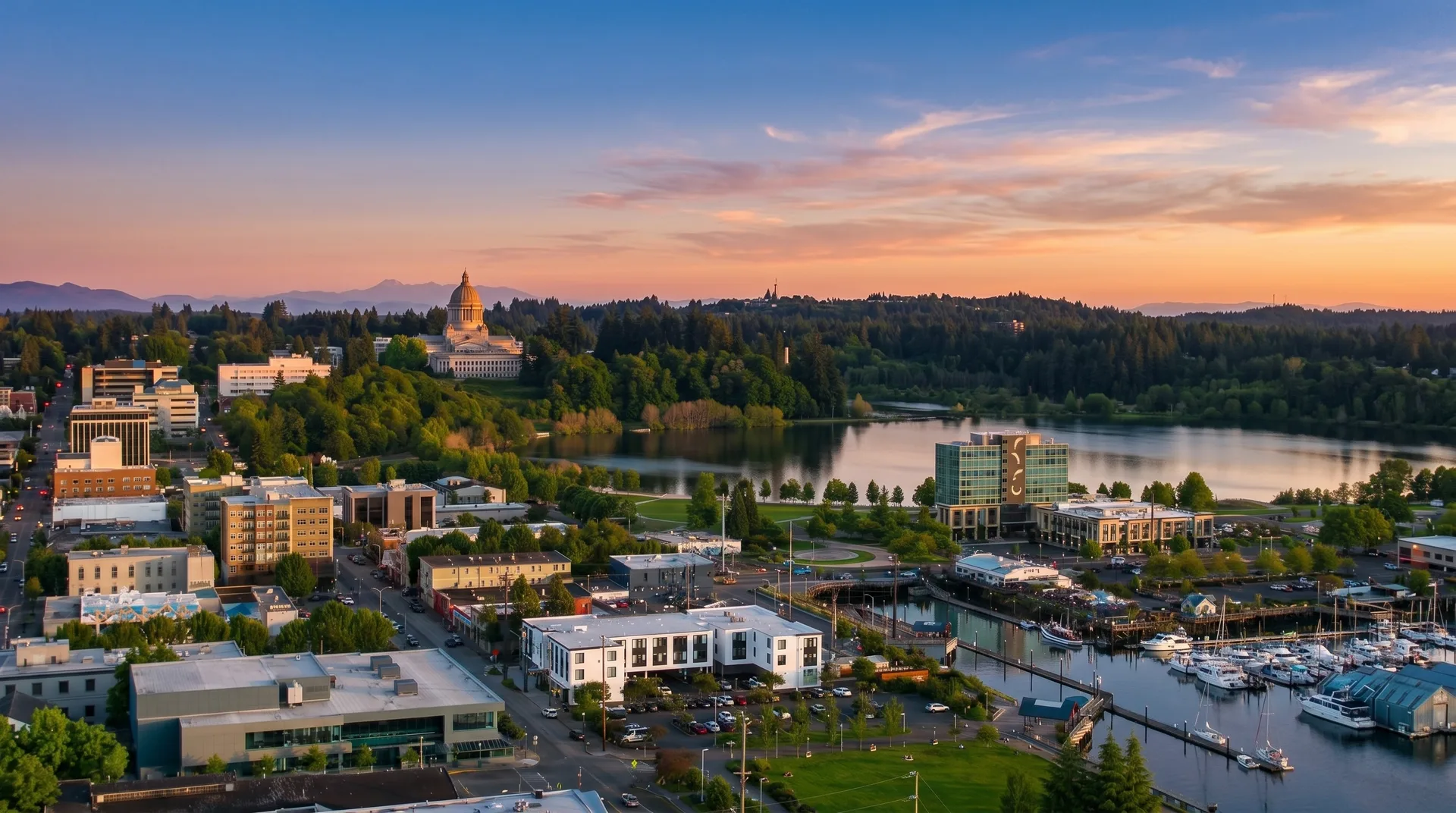
Olympia
Olympia, the capital of Washington State, occupies a strategic position at the southern end of Puget Sound. This city, with its deep-water port, serves as a crucial gateway for goods entering and leaving the state through maritime routes. The presence of state government institutions creates a constant demand for specialized transportation services, from office supplies to high-tech equipment for government facilities. Olympia's economy is complemented by sectors such as healthcare, education, and tourism, generating diverse logistics needs throughout the year.
The city boasts modern transportation infrastructure, including the Port of Olympia, which connects to the I-5 via State Route 101 and State Route 8. This multimodal connectivity allows for efficient transfer of cargo between ships, trucks, and rail, facilitating the consolidation and distribution of goods. Additionally, Olympia's proximity to major agricultural production areas in southwestern Washington makes it a key point for collecting and distributing fresh and processed products, especially during harvest seasons.
 Destination
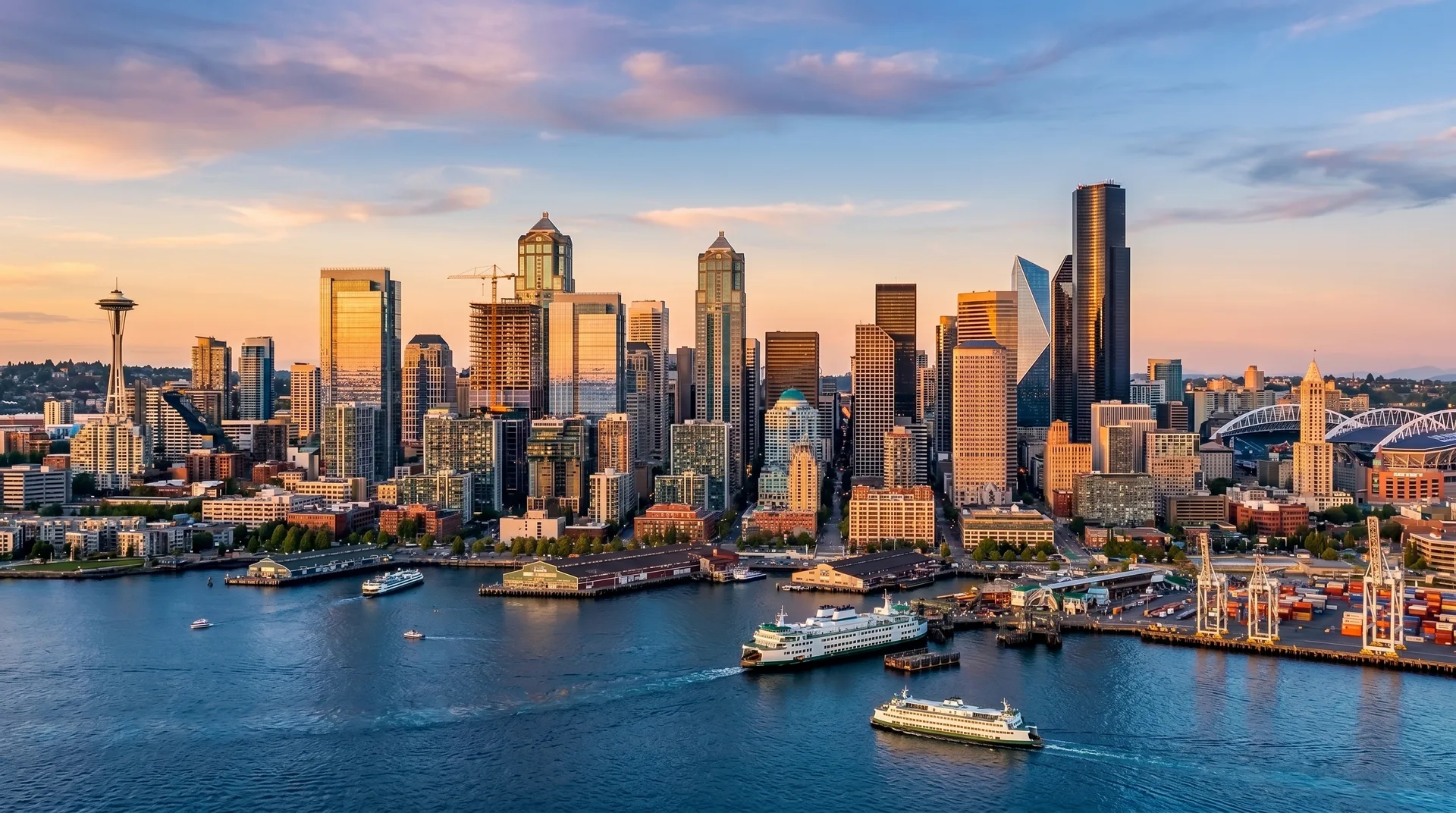
Seattle
Seattle, the largest city in Washington and the Pacific Northwest, is a global logistics and commerce hub. Its strategic location on the shores of Puget Sound, combined with its world-class port, positions it as a critical entry and exit point for international trade, particularly with Asia. The city is home to major corporations in technology, aerospace, retail, and maritime industries, creating a constant and diverse demand for freight transportation. Seattle's economy is characterized by its innovation and dynamism, requiring agile and reliable logistics solutions to maintain its competitiveness.
The transportation infrastructure in Seattle is exceptionally robust, with the Port of Seattle operating multiple terminals for containerized cargo, bulk, and specialized goods. The city is connected to the national highway network through I-5 and I-90, facilitating access to the entire West Coast and beyond. Additionally, Seattle has an extensive rail network and Seattle-Tacoma International Airport, offering multimodal options for freight transportation. This infrastructure, combined with the city's economic diversity, makes Seattle a strategic destination for logistics operations, requiring providers with the capacity to handle everything from high-tech components to consumer goods.










