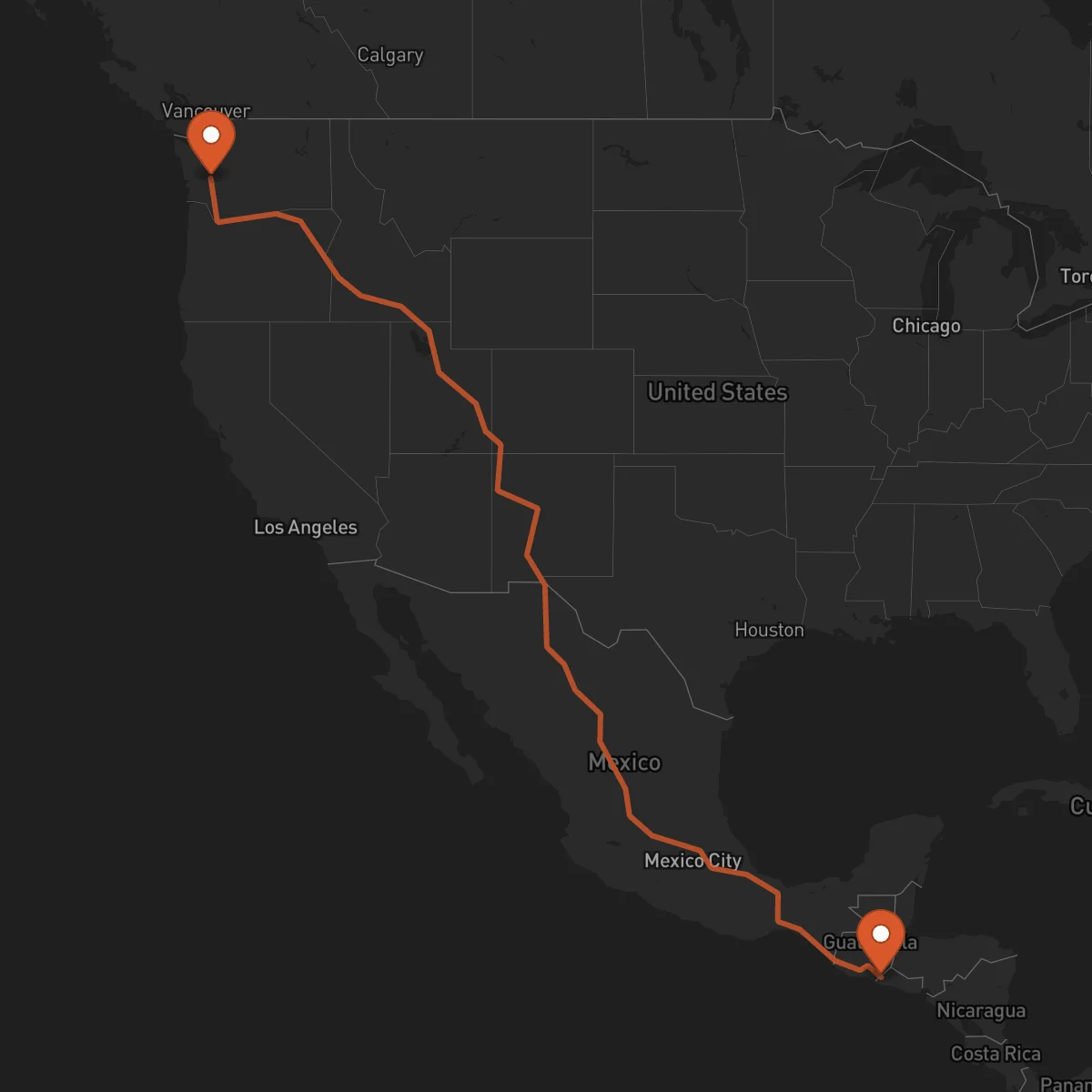
Olympia to Ahuachapán
Ahuachapán → OlympiaFTL freight transportation service between Olympia and Ahuachapán. Reliable logistics solutions for your business.
Route Description
Everything you need to know about the corridor Olympia - Ahuachapán
The Olympia, Washington to Ahuachapán, El Salvador corridor represents a vital North-South trade artery connecting the Pacific Northwest of the United States with Central America. This cross-border route is strategically important for facilitating the movement of goods between major industrial and agricultural hubs, supporting supply chain integration across international boundaries. The economic context is defined by the export of manufactured goods, timber products, and agricultural commodities from the U.S. to Central American markets, and the import of coffee, sugar, and other regional products northward. Key industries leveraging this corridor include agriculture (particularly coffee and produce), manufacturing, and forestry products. The primary transportation infrastructure relies on the robust U.S. Interstate Highway System, beginning with I-5 south from Olympia through California, transitioning to Mexican Federal Highway 15, and then traversing Central American routes like the CA-1 through Guatemala and into El Salvador. Critical border crossings, such as the one at El Ceibo on the Guatemala-El Salvador border, require meticulous customs documentation and compliance with each nation's import/export regulations. Control Terrestre facilitates seamless operations on this complex corridor through our exclusive focus on Full Truckload (FTL) solutions. We leverage our alliance of certified providers holding C-TPAT, FAST, and BASC credentials to ensure secure, compliant, and efficient cross-border transit. Our expertise in managing the specific documentation, customs brokerage coordination, and dedicated equipment needs for this long-haul international route allows shippers to navigate its complexities with a single, reliable point of contact, optimizing their supply chain from the Pacific Northwest to Central America.
Services for this Route
Available services for the corridor Olympia - Ahuachapán
 Origin
Olympia
Olympia, the capital of Washington State, serves as a strategic Pacific Northwest logistics gateway. Its location provides direct access to the major north-south I-5 corridor, connecting it to key markets in California, Oregon, and Canada, as well as to international gateways like the Port of Seattle and Port of Tacoma. The region's economy is diversified, with significant sectors in government services, education, healthcare, and a strong industrial base in timber, wood products, and specialty agriculture. The Port of Olympia, while smaller than its neighbors, offers marine cargo handling and is complemented by robust rail infrastructure and extensive warehousing. This multimodal capacity, combined with its position at the southern tip of Puget Sound, makes Olympia an efficient origin point for FTL shipments heading south, capable of consolidating goods from the wider Washington and Oregon regions for the long international haul to Central America.
 Destination
Ahuachapán
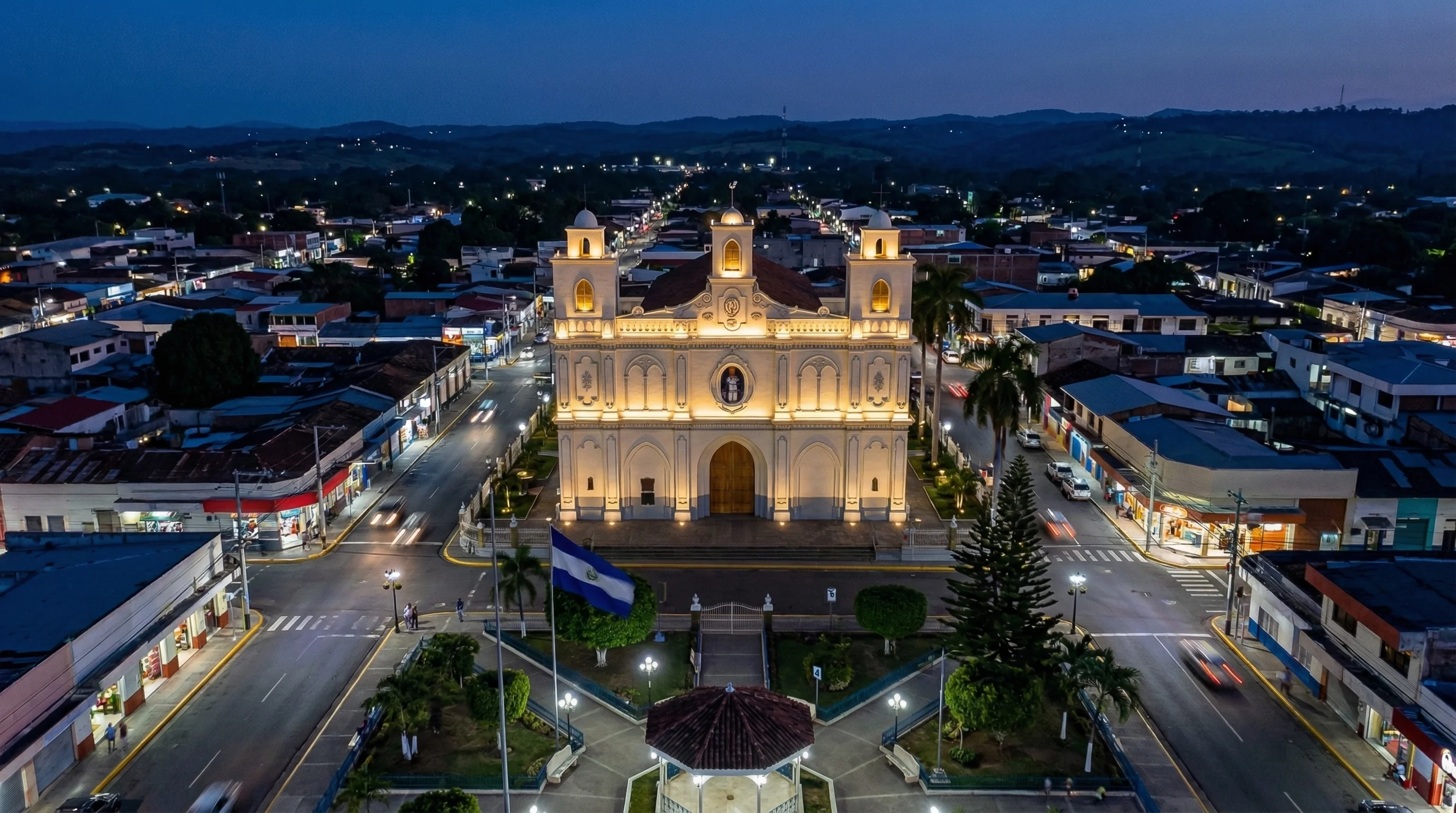
Ahuachapán, located in western El Salvador near the Guatemalan border, is a strategically important destination for logistics in Central America. It acts as a key distribution point for the western Salvadoran highlands and a primary crossing node for trade with Guatemala. The local and regional economy is heavily driven by agriculture, most famously as a premier coffee-producing region, alongside sugarcane, grains, and livestock. Its infrastructure is centered on the CA-1 highway, the principal east-west route in El Salvador, which connects directly to the Guatemalan road network and eventually to other Central American corridors. While not a major port city itself, Ahuachapán's proximity to border crossings and its position within El Salvador's agricultural heartland make it a crucial inland destination for FTL cargo. The road network supports the movement of bulk agricultural goods, manufactured products, and imported consumer items, requiring reliable refrigerated, dry van, and specialized equipment to serve the region's diverse economic activities.










