Ocotepeque to Torreón
Torreón → OcotepequeFTL freight transportation service between Ocotepeque and Torreón. Reliable logistics solutions for your business.
Route Description
Everything you need to know about the corridor Ocotepeque - Torreón
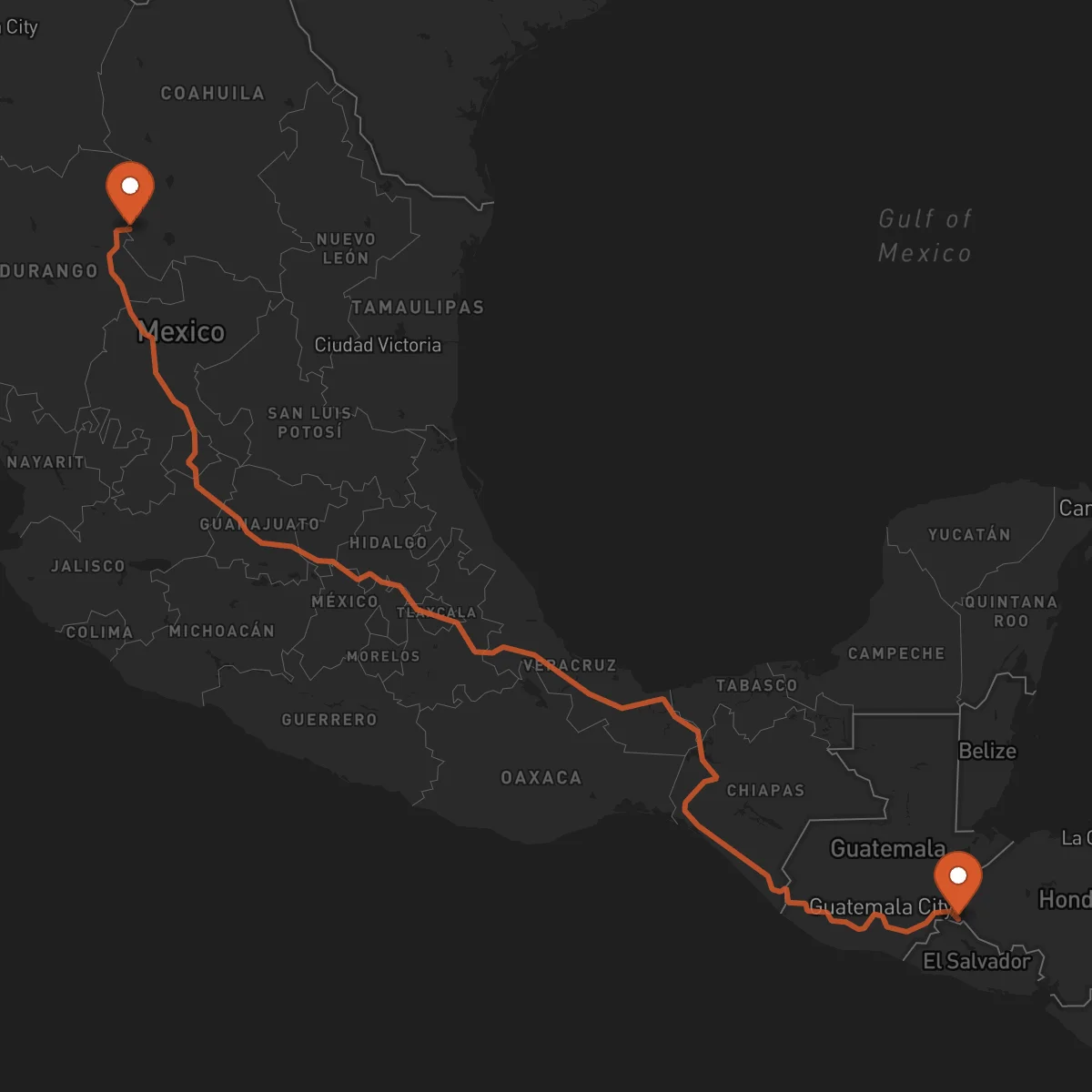
The Ocotepeque-Torreón corridor is a vital cross-border artery connecting Central America's agricultural heartland with Mexico's key industrial regions. This approximately 1,930 km route facilitates the efficient movement of goods between Honduras and Northern Mexico, serving as a strategic bridge for regional trade. The economic context is defined by complementary strengths: Ocotepeque and the Honduran interior are major producers of agricultural commodities and basic manufactures, while the Comarca Lagunera region around Torreón is a powerhouse for textiles, automotive parts, and industrial goods. Primary industries leveraging this corridor include agriculture (coffee, tropical fruits, vegetables), textiles and apparel, food and beverage processing, and general manufacturing. The transportation infrastructure relies on a network of major highways: from Ocotepeque, the CA-4 highway provides the primary north-south corridor through Honduras and into Guatemala. After crossing into Mexico, the route typically integrates with the federal highway network, notably Fed 40 and Fed 49, which traverse the country efficiently toward Coahuila. The most significant border crossing for this corridor is Agua Zarca/San Pedro de las Colonias, a critical node where C-TPAT and FAST certifications, which our provider network holds, become essential for streamlined customs clearance and reduced wait times. At Control Terrestre, we facilitate seamless operations on this corridor through our robust alliance of certified carriers. Our expertise in cross-border documentation, understanding of customs protocols, and dedicated FTL capacity ensure that your full truckload shipments move securely and predictably. We manage the complexities of international transit, from Honduran departure to Mexican delivery, providing a singular point of contact for your supply chain across this strategic route.
Services for this Route
Available services for the corridor Ocotepeque - Torreón
 Origin
Ocotepeque
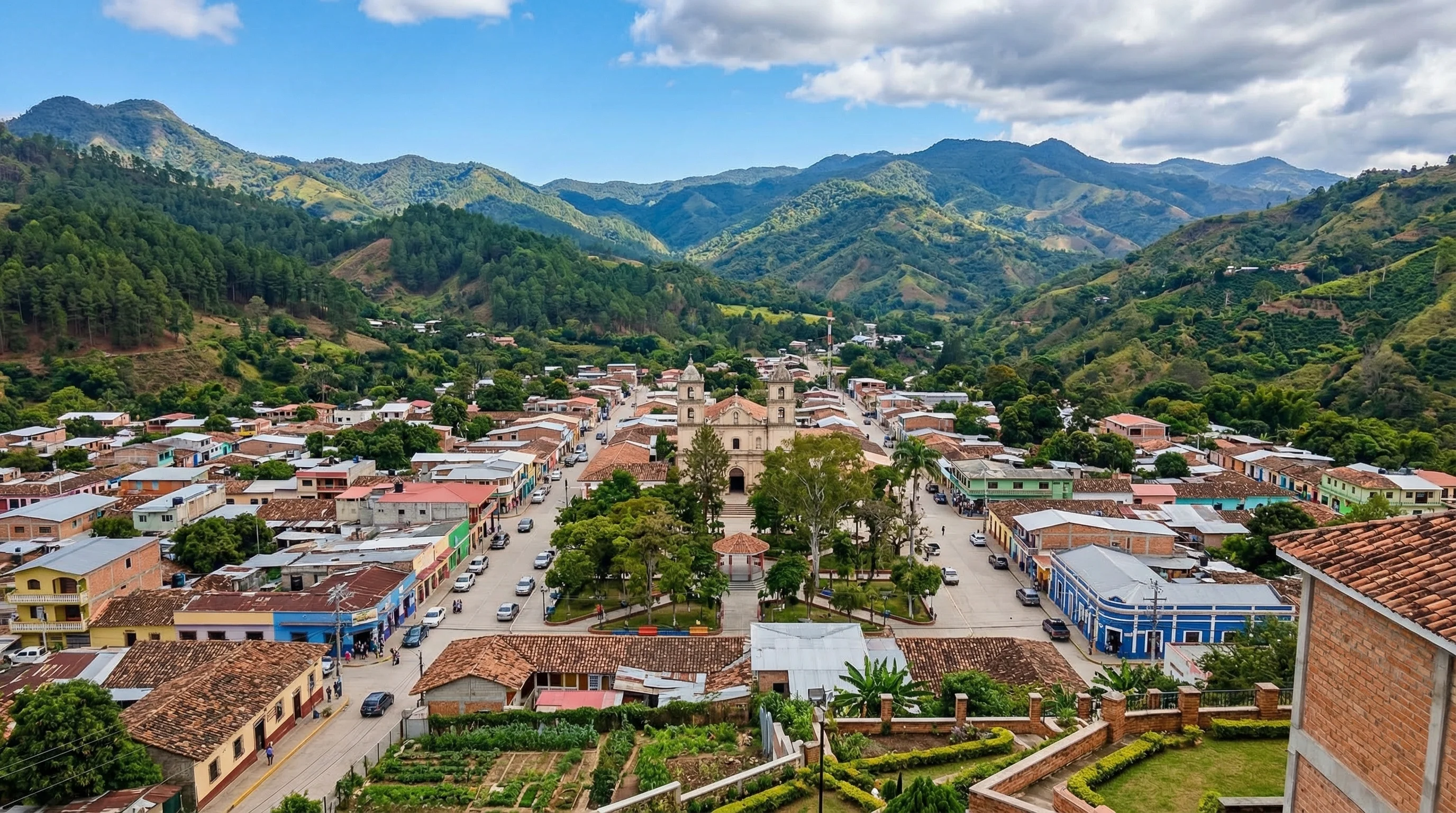
Ocotepeque is strategically located in western Honduras, nestled near the borders with El Salvador and Guatemala. This position makes it a natural logistics gateway for cargo originating in Honduras and southern Central America destined for North American markets. The city and its surrounding Ocotepeque department are deeply rooted in agriculture, serving as a significant production zone for coffee, tropical fruits like mango and papaya, and basic grains. This agricultural output drives a substantial need for outbound freight transportation. The available transportation infrastructure is centered on the CA-4 highway (Carretera a Occidente), the main paved route that connects Ocotepeque with major Honduran hubs like San Pedro Sula and the Guatemalan border. This highway is the critical first leg for any cross-border freight moving north. While the local infrastructure supports regional collection, the corridor's strength lies in its connection to this primary highway network, enabling efficient consolidation and dispatch of full truckloads for the long-haul journey into Mexico. For exporters, Ocotepeque offers a logistical departure point with direct access to the Central American highway system.
 Destination
Torreón, located in the Comarca Lagunera region of Coahuila, Mexico, is a major industrial and agricultural hub with exceptional strategic logistics importance. It serves as a critical manufacturing and distribution center for Northern Mexico and the U.S. border. The region's economy is dominated by the textile and apparel industry, a significant automotive parts manufacturing sector, and extensive agriculture (cotton, alfalfa, wheat, and dairy). This industrial diversity generates high volumes of both outbound finished goods and inbound raw materials, creating constant freight demand. Torreón's transportation infrastructure is highly developed. It is a central nexus for Mexico's federal highway system, primarily served by Federal Highway 40 (connecting to Monterrey and the U.S. border at Laredo/Pharr) and Federal Highway 49 (linking to the states of Durango and Zacatecas). This connectivity provides direct, efficient routes to key U.S. border crossings and domestic Mexican markets. Furthermore, the region benefits from rail connectivity and proximity to major U.S.-Mexico gateways, making it an ideal destination for cross-border FTL shipments from Central America. The infrastructure supports all standard equipment types, from dry vans for manufactured goods to refrigerated units for regional food products.










