Ocotal to Colima
Colima → OcotalFTL freight transportation service between Ocotal and Colima. Reliable logistics solutions for your business.
Route Description
Everything you need to know about the corridor Ocotal - Colima
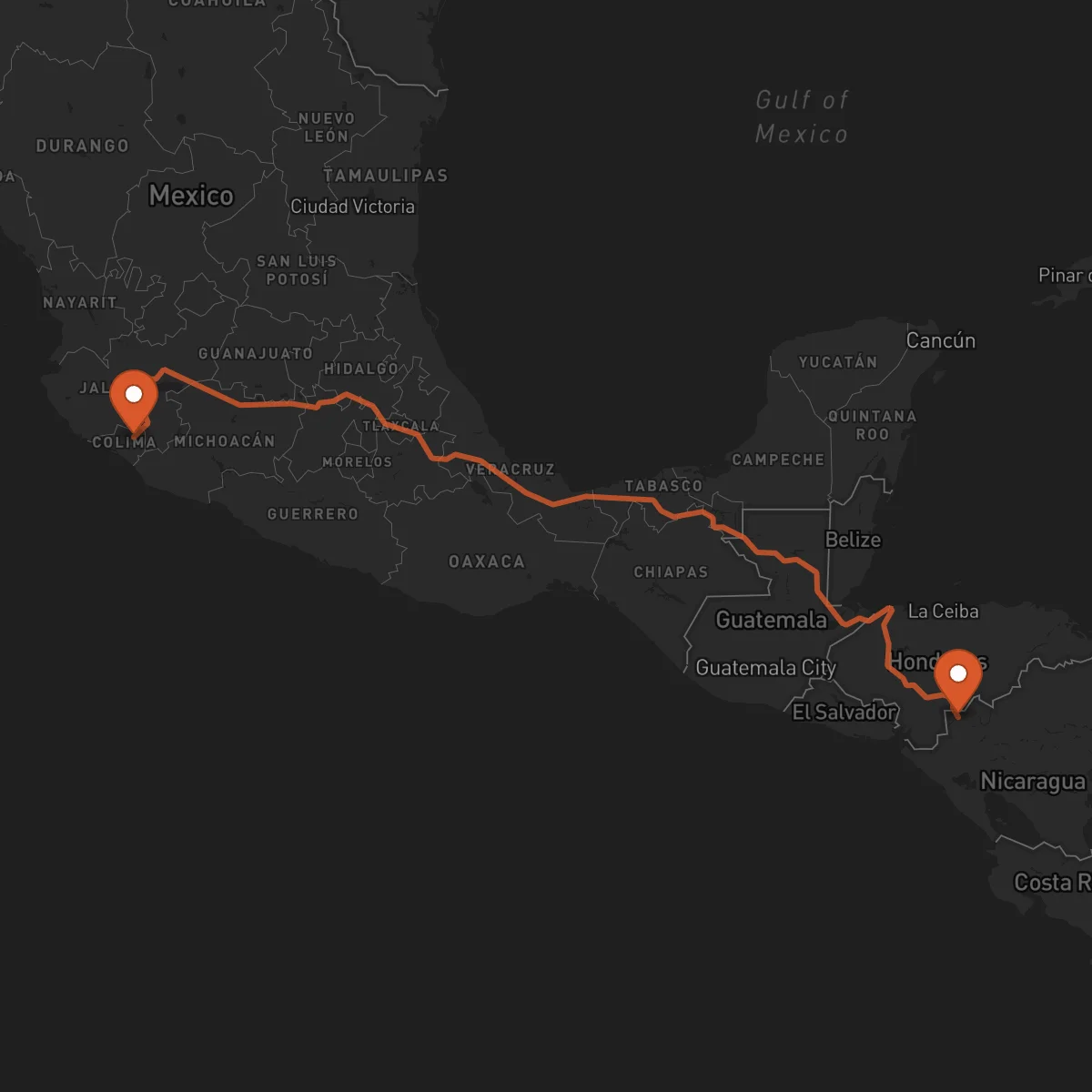
The Ocotal, Nicaragua to Colima, Mexico corridor is a critical north-south artery connecting Central America's agricultural heartland with Mexico's vital Pacific port and industrial gateway. This approximately 1,941 km route facilitates the essential flow of goods across a diverse economic landscape, underpinning trade between Nicaragua and one of Mexico's most dynamic states. The corridor serves as a strategic link for moving products from production zones in Nicaragua to major consumption markets and export terminals in Mexico, and vice versa for manufactured goods heading south.
Economically, this route bridges the agricultural richness of Nicaragua's Nueva Segovia department with the manufacturing, agricultural processing, and port-centric economy of Colima. The region around Ocotal is dominated by coffee, sesame, livestock, and basic grains, while Colima state is a hub for automotive parts, processed foods, and beverages, leveraging the colossal Port of Manzanillo. Key industries utilizing this corridor include agribusiness (for exports like Nicaraguan coffee and imports of fertilizers/feed), consumer goods manufacturers, and companies involved in cross-continental supply chains requiring a reliable land bridge.
Infrastructure relies primarily on Nicaragua's Carretera CA-1, which connects Ocotal to the border, and Mexico's extensive federal highway network, notably routes 200 and 110 leading to Colima. The principal formal border crossing is at El Paso del Norte (Ciudad Hidalgo/El Suchiate), handling significant commercial traffic. Navigating this corridor demands expertise in cross-border documentation, Mexican customs regulations (including requirements like the Pedimento), and Central American exit protocols. Control Terrestre's strategic alliance of certified providers, equipped with C-TPAT, FAST, and BASC credentials, streamlines this complex journey. We coordinate dedicated FTL capacity, manage all border compliance, and offer specialized solutions for refrigerated or oversized cargo, ensuring a seamless, single-point-of-contact experience for your full truckload shipments across this vital international trade lane.
Services for this Route
Available services for the corridor Ocotal - Colima
 Origin
Ocotal
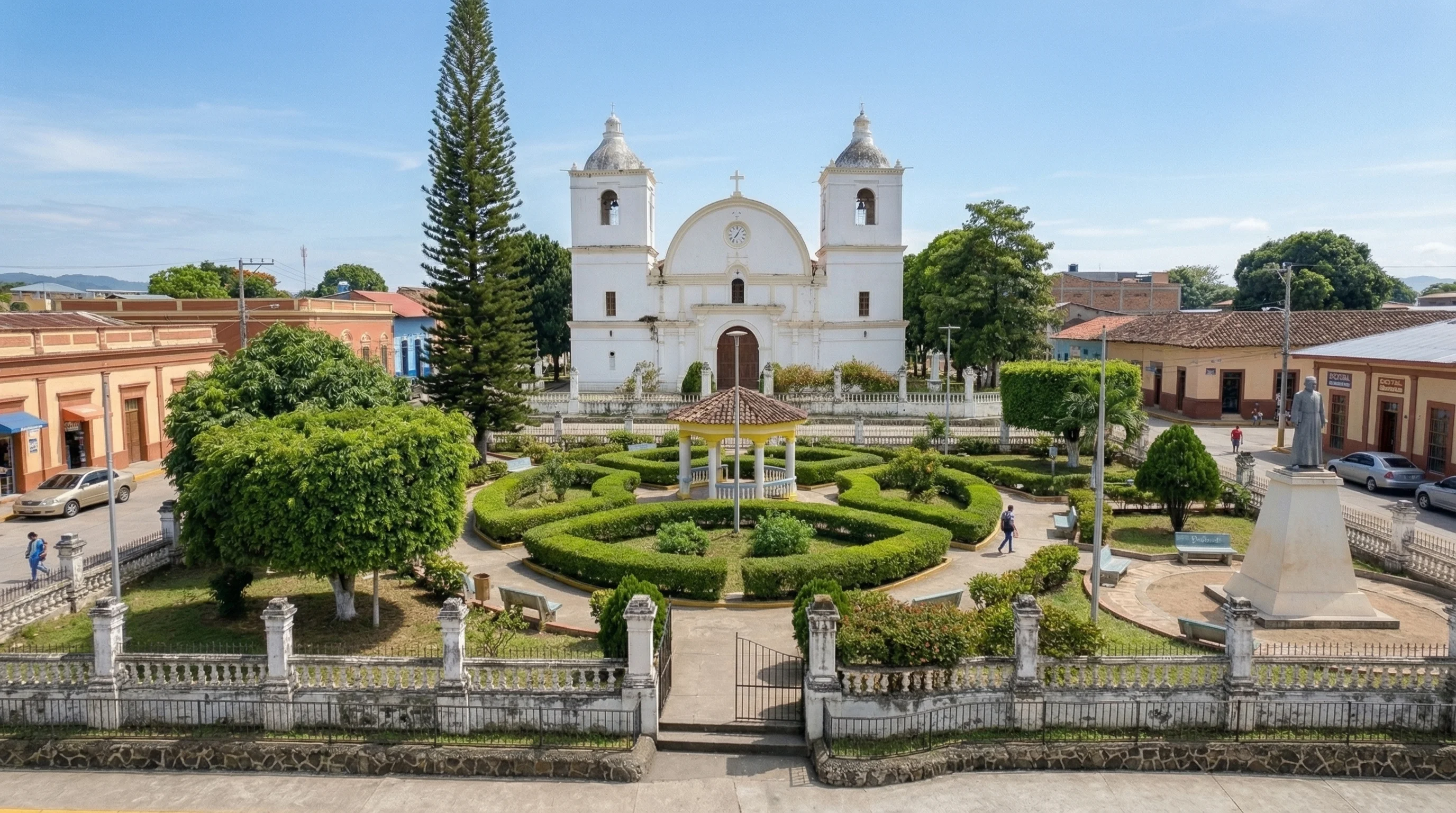
Ocotal, the capital of Nicaragua's Nueva Segovia department, serves as a pivotal agricultural and commercial hub in the northern highlands. Its strategic location places it at the nexus of Nicaragua's primary coffee-growing region and key road networks heading toward the Honduran and Costa Rican borders, though its direct connection to the main Mexico corridor is via the CA-1 highway south to the border. The local economy is deeply rooted in high-quality coffee cultivation, alongside significant production of sesame, livestock, and basic grains. This creates a consistent demand for outbound freight services to move agricultural exports to processing and export points. The available transportation infrastructure is centered on the CA-1, a major Central American highway that provides the essential paved link from Ocotal southward to the border crossing at El Paso del Norte, making it the foundational leg for any northbound cross-border freight operation from this region.
 Destination
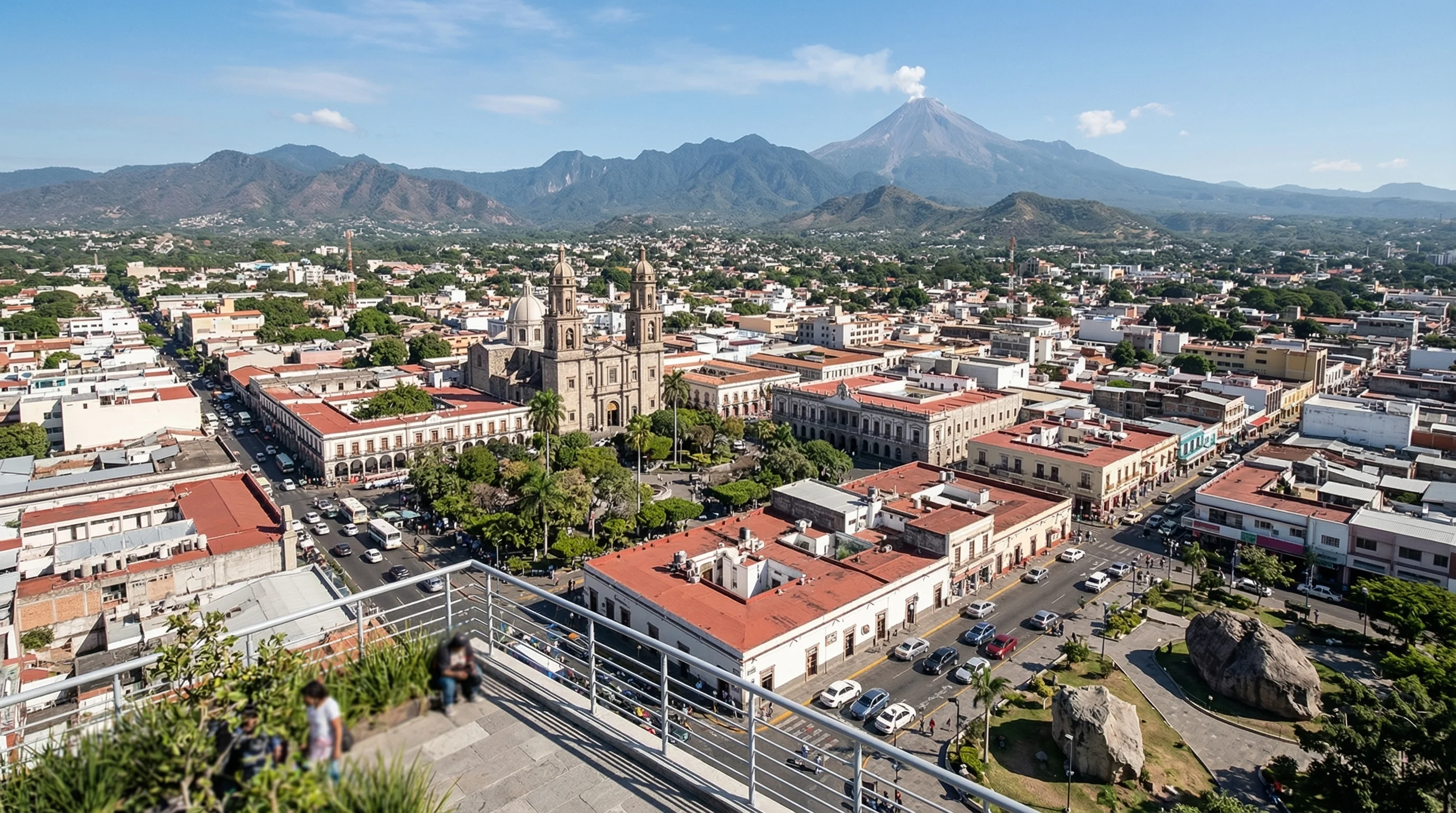
Colima, the capital city of the state of Colima, is a strategically vital logistics and industrial center on Mexico's Pacific coast. Its location provides direct access to the Port of Manzanillo, one of Latin America's busiest and most important container ports, which acts as a mega-hub for international maritime trade. This makes Colima a critical destination for importers and a launch point for exports. The state's economy is robust, featuring major industries in automotive and auto parts manufacturing, food and beverage processing, and agriculture (particularly lime and mango production). The transportation infrastructure is exceptional, with Federal Highway 200 running along the coast and Highway 110 providing a direct, high-capacity link north to the border crossing at Guadalajara and beyond. This excellent connectivity, combined with the port's global reach, positions Colima as a primary endpoint for full truckload freight arriving from Central America and a key distribution node for goods moving throughout western and central Mexico.










