Oakland to Montpelier
Montpelier → OaklandFTL freight transportation service between Oakland and Montpelier. Reliable logistics solutions for your business.
Route Description
Everything you need to know about the corridor Oakland - Montpelier
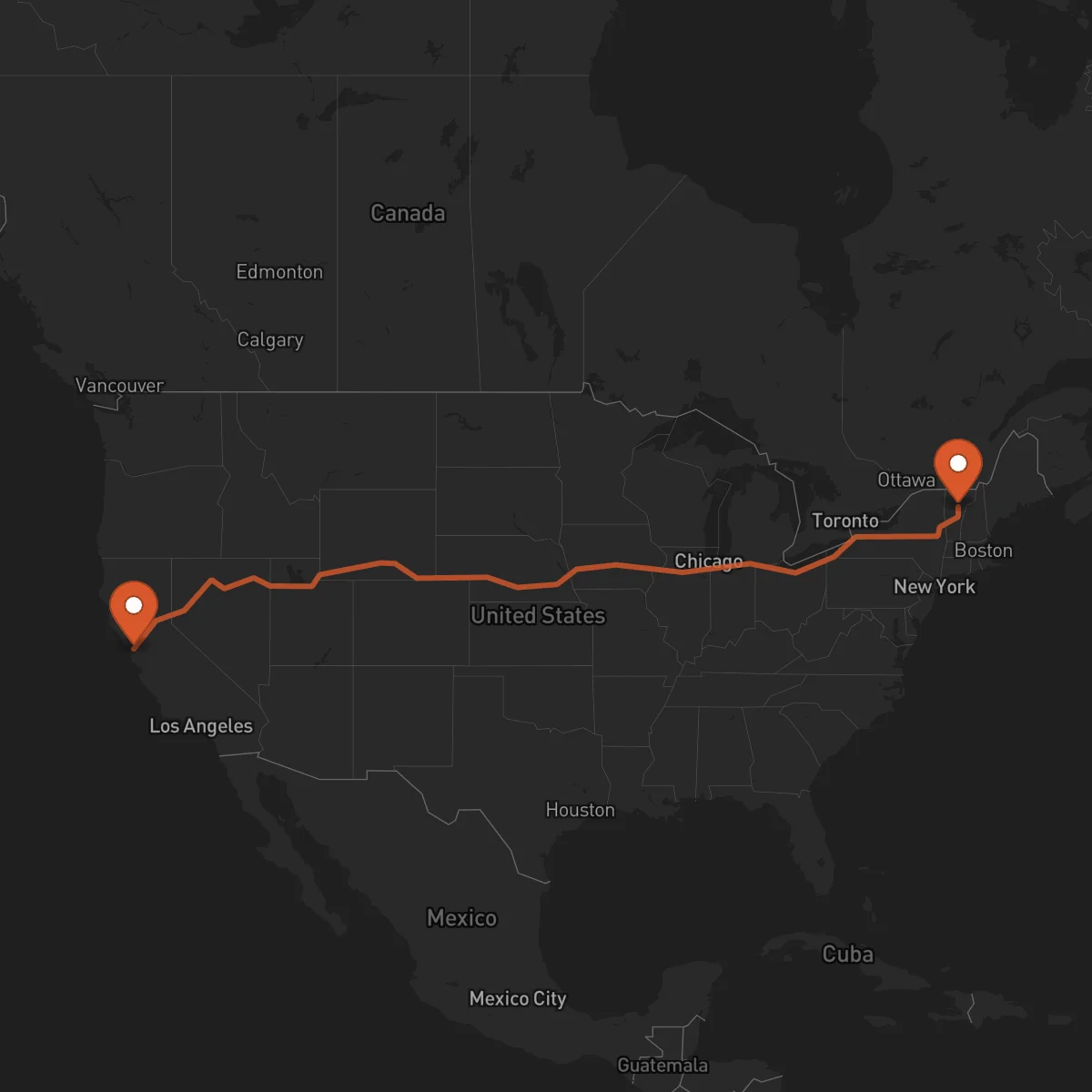
The freight corridor between Oakland, California and Montpelier, Vermont represents one of the most significant domestic transportation routes in the United States, spanning approximately 4,165 kilometers across the country's diverse geography. This transcontinental connection links the West Coast's major port and industrial hub with the Northeast's capital and growing logistics center, facilitating the movement of goods between two economically vital regions. The corridor traverses multiple states and crosses various terrain types, making it a complex yet essential freight route for national supply chains.
This route serves as a critical artery for numerous industries, particularly those requiring movement of goods between the Pacific and Atlantic regions. The corridor accommodates high volumes of freight including technology products, agricultural goods, manufactured items, and specialized cargo. Major manufacturing centers, distribution facilities, and industrial zones along the route create substantial freight traffic, supporting the economic integration of coastal and inland markets. The transportation infrastructure includes major interstate highways such as I-80 and I-90, providing reliable and efficient freight movement across the country.
Control Terrestre facilitates seamless operations on this corridor through our extensive network of certified transportation providers. Our specialized FTL services ensure that your cargo moves efficiently from origin to destination without intermediate handling. We leverage our strategic partnerships and industry expertise to provide reliable, secure transportation solutions that meet the demanding requirements of cross-country freight movement, ensuring your shipments arrive on schedule and in optimal condition.
Services for this Route
Available services for the corridor Oakland - Montpelier
 Origin
Oakland
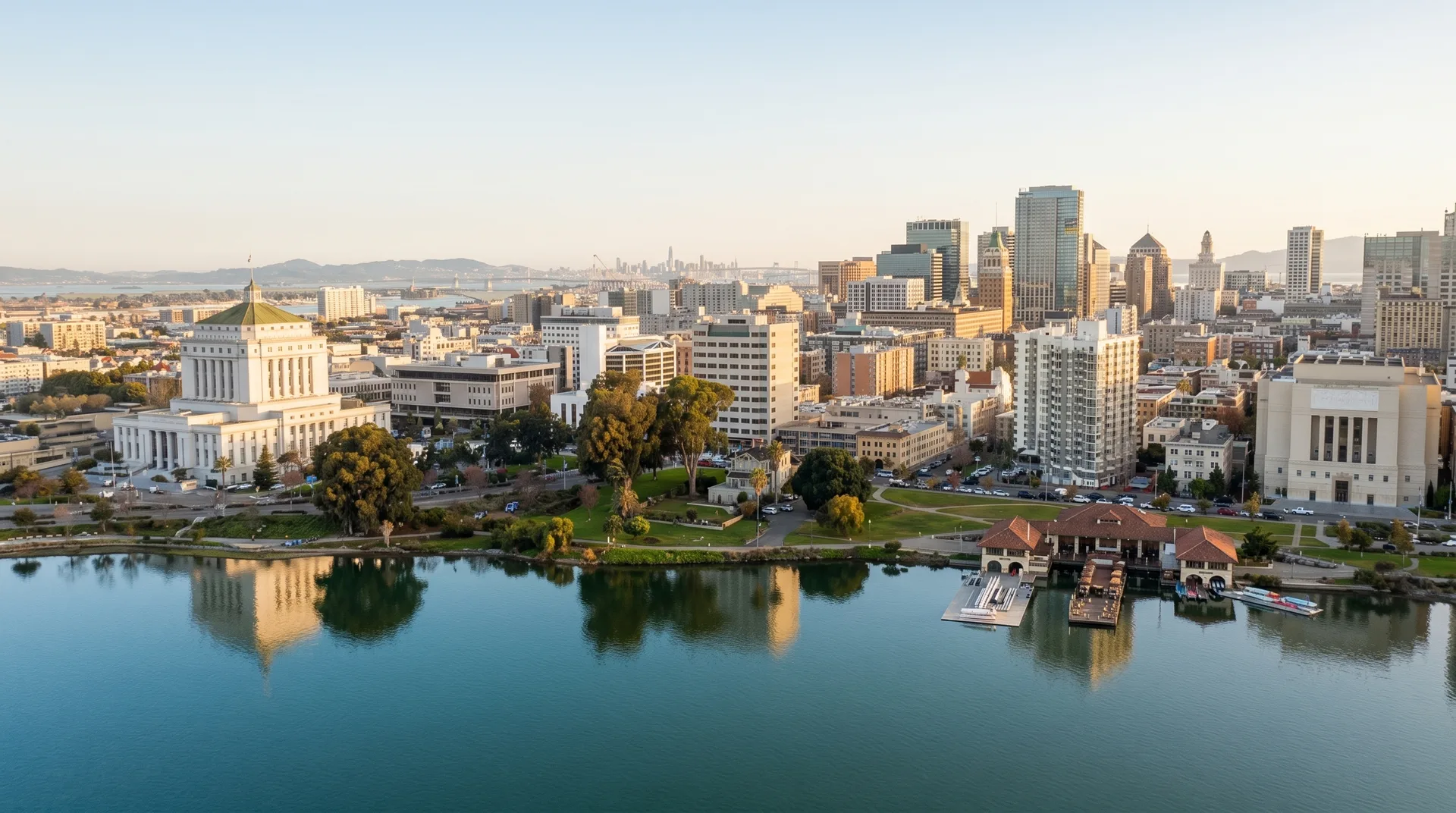
Oakland, California serves as a strategic gateway for freight transportation on the West Coast, anchored by the Port of Oakland, one of the busiest container ports in the United States. The city's location across the bay from San Francisco positions it as a critical logistics hub for Northern California's robust economy. Oakland's extensive transportation infrastructure includes direct access to major interstate highways, rail connections through Union Pacific and BNSF railroads, and proximity to Oakland International Airport, creating multiple options for freight movement.
The region's economy is diverse and dynamic, with strong sectors in technology, healthcare, advanced manufacturing, and international trade. Major industries in the Oakland area include biotechnology, renewable energy, and professional services, all of which generate substantial freight volumes. The presence of numerous distribution centers and warehouses around the port area facilitates efficient cargo handling and storage, making Oakland an ideal origin point for freight shipments across the country.
 Destination
Montpelier
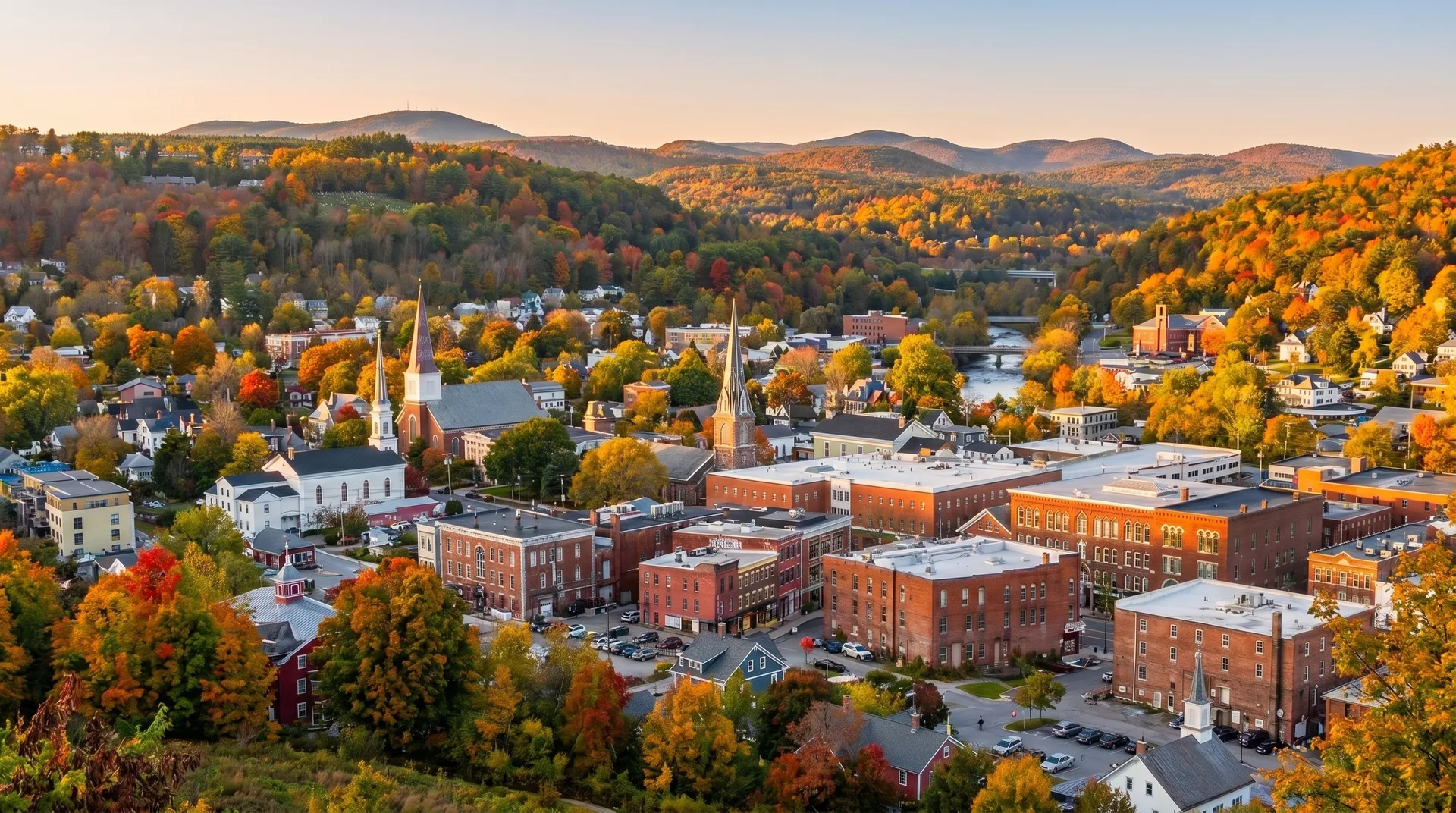
Montpelier, Vermont, while being the smallest state capital in the United States by population, serves as an important logistics center for the New England region. Its strategic location in central Vermont provides access to major markets in the Northeast Corridor, including Boston, New York, and Montreal. The city's transportation infrastructure includes connections to Interstate 89 and regional highway networks, facilitating efficient freight movement to and from the area. Montpelier's proximity to other Vermont industrial centers and its role as the state capital create consistent freight demand.
The local economy, while smaller than major metropolitan areas, includes significant sectors in government services, healthcare, education, and specialty manufacturing. Vermont's renowned food and beverage industry, including craft breweries, artisanal cheese producers, and organic food manufacturers, generates specialized freight needs. The region's commitment to sustainable practices and local production creates demand for reliable transportation services that can handle temperature-sensitive and high-value cargo, making it an important destination for specialized freight services.










