
Oakland to Gracias
Gracias → OaklandFTL freight transportation service between Oakland and Gracias. Reliable logistics solutions for your business.
Route Description
Everything you need to know about the corridor Oakland - Gracias
The Oakland-Gracias corridor represents a vital logistics connection between the United States and Honduras, spanning approximately 4,198 kilometers. This cross-border route links the major West Coast port of Oakland with the mountainous region of Gracias in western Honduras, serving as a crucial artery for international trade and supply chain operations. The corridor facilitates the movement of diverse cargo types, from manufactured goods and electronics to agricultural products and industrial equipment, supporting the economic integration between North and Central America.
The transportation infrastructure along this route includes major highways such as CA-1 in Honduras and key US interstate connections leading to Oakland's port facilities. The journey crosses multiple international borders, requiring expert knowledge of customs procedures and documentation. Control Terrestre's specialized cross-border services ensure seamless transit through these checkpoints, with our certified providers handling all necessary customs clearance and compliance requirements. The route passes through significant industrial zones in both countries, connecting manufacturing hubs with distribution centers and export facilities.
This corridor is particularly important for industries such as automotive, electronics, textiles, and agricultural products. Oakland's strategic port location provides access to Asian markets and serves as a gateway for goods entering the US market, while Gracias benefits from its position as a regional commercial center in Honduras. Control Terrestre facilitates operations on this corridor through our network of certified transportation providers, offering dedicated FTL services that ensure cargo security and timely delivery. Our expertise in cross-border logistics, combined with real-time tracking capabilities, provides our clients with the visibility and reliability needed for successful international supply chain operations.
Services for this Route
Available services for the corridor Oakland - Gracias
 Origin
Oakland
Oakland, California serves as a strategic logistics hub on the West Coast of the United States, anchored by the Port of Oakland - one of the busiest container ports in the country. The city's location provides direct access to major interstate highways including I-80 and I-580, connecting to regional distribution networks and international trade routes. Oakland's logistics infrastructure includes extensive warehousing facilities, intermodal yards, and proximity to major airports, making it an ideal origin point for cross-border freight operations to Central America.
The region's economy is diverse, with strong presence in technology, healthcare, and advanced manufacturing sectors. Oakland serves as a gateway for imports from Asia and a distribution center for goods destined for markets throughout the western United States and beyond. The city's industrial zones and proximity to Silicon Valley create significant demand for reliable freight transportation services, particularly for time-sensitive and high-value cargo shipments.
 Destination
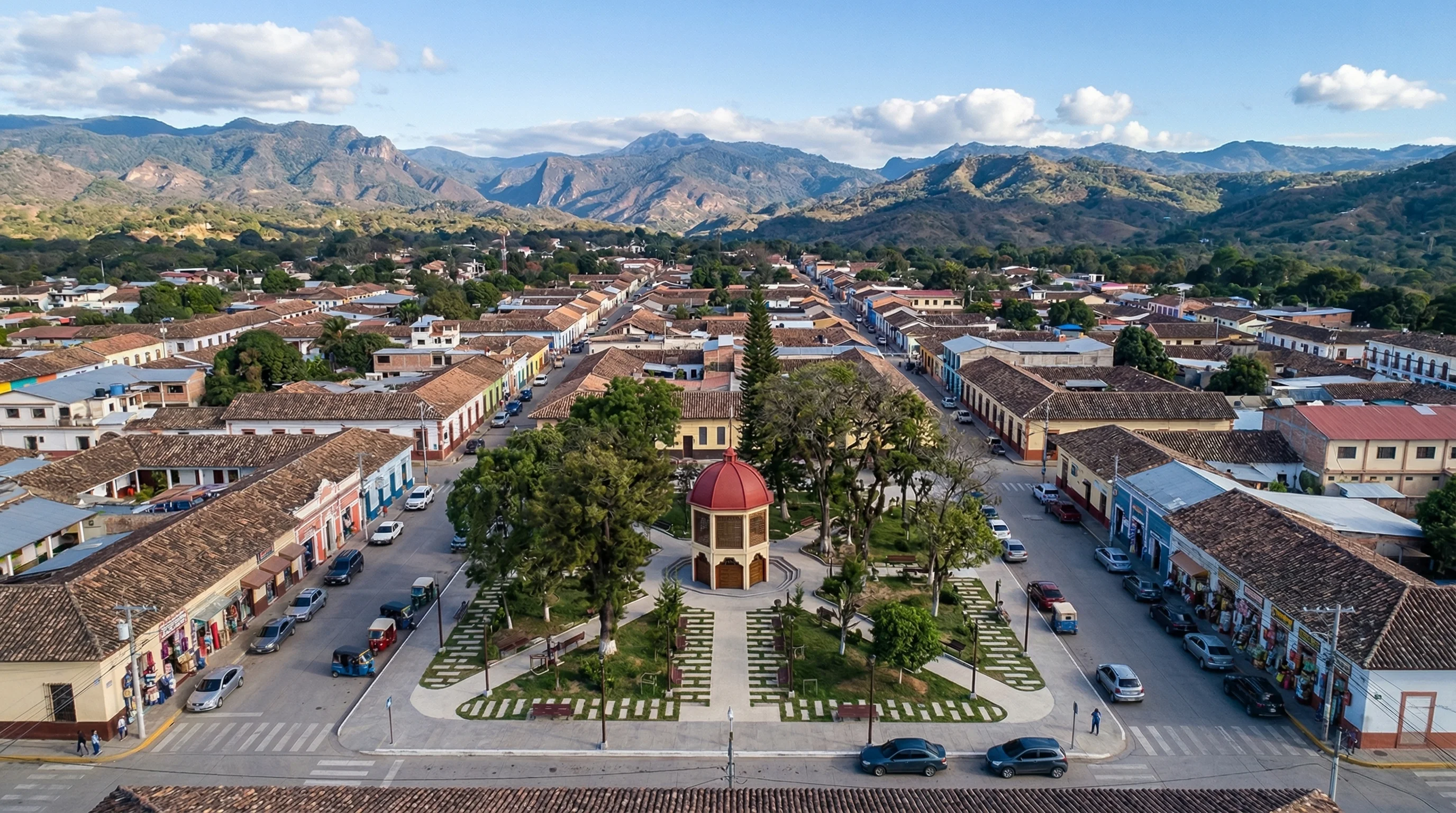
Gracias, located in the Lempira department of western Honduras, serves as an important commercial and administrative center in the region. While not a major port city, Gracias benefits from its strategic position within Honduras's transportation network, connected to major highways that link to San Pedro Sula and other key economic centers. The city's elevation and location in the mountainous region make it a distribution point for goods throughout western Honduras and neighboring areas.
The local economy includes agriculture, small-scale manufacturing, and commercial services that support the surrounding rural communities. Gracias's growing commercial sector creates demand for reliable freight transportation services to and from major international gateways. The city's infrastructure includes local warehousing facilities and distribution centers that handle imports and exports, serving industries such as agricultural products, textiles, and consumer goods that require efficient logistics connections to international markets.










