Oakland to Cancún
Cancún → OaklandFTL freight transportation service between Oakland and Cancún. Reliable logistics solutions for your business.
Route Description
Everything you need to know about the corridor Oakland - Cancún
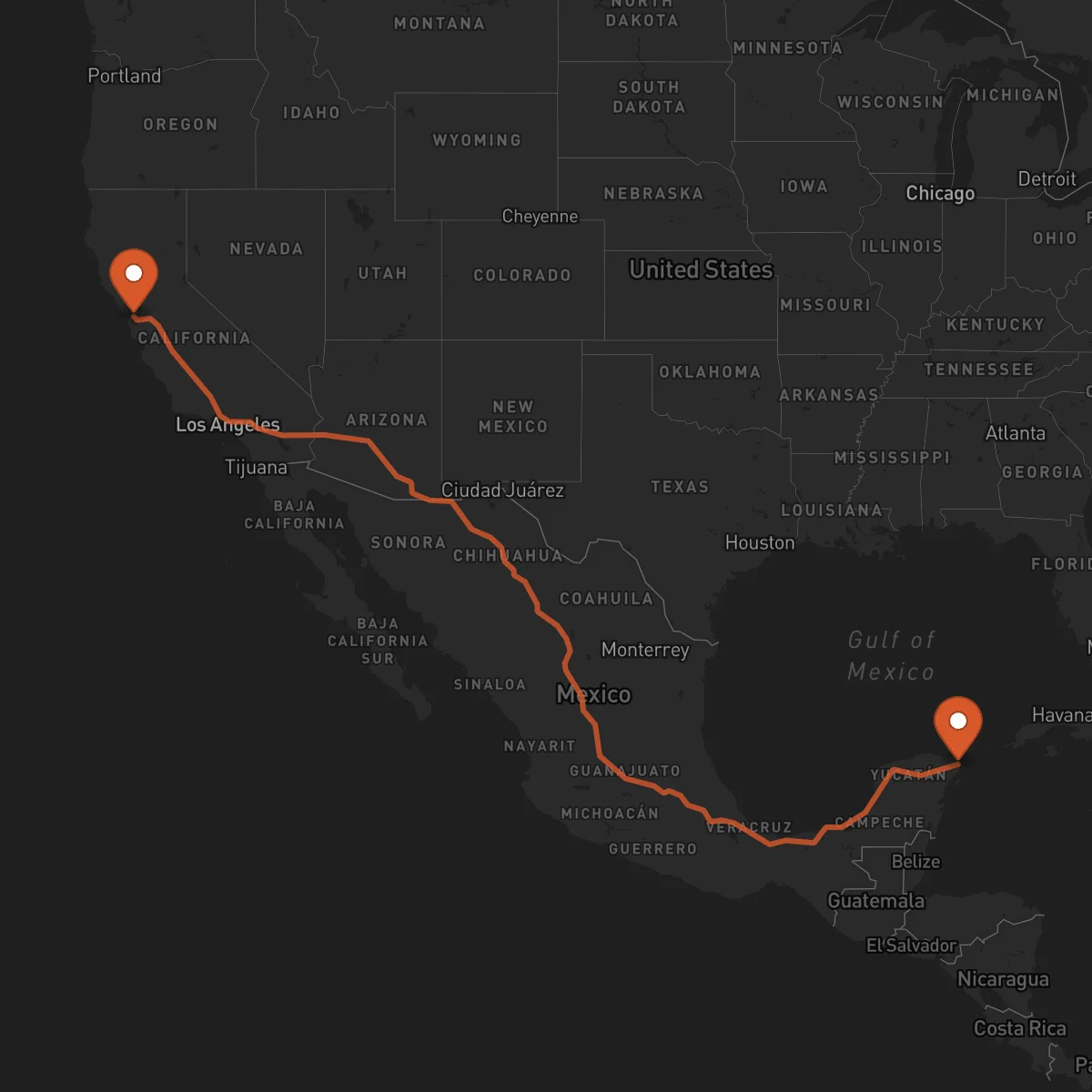
The Oakland to Cancún corridor represents a vital logistics connection between the West Coast of the United States and the growing economic hub of the Mexican Caribbean. This 3,863 km cross-border route serves as a strategic link for companies looking to connect the industrial strength of Northern California with the tourism and manufacturing sectors of the Yucatan Peninsula. The corridor combines the efficiency of U.S. transportation infrastructure with the expanding logistics capabilities of Mexico's southeastern region.
This route facilitates the movement of diverse cargo types, from automotive parts and electronics produced in the San Francisco Bay Area to consumer goods, construction materials, and hospitality supplies destined for Cancún's thriving tourism industry. The corridor also supports reverse logistics, enabling the export of Mexican products to U.S. markets. Key industries utilizing this connection include automotive, electronics, retail, construction, and the hospitality sector.
The primary transportation infrastructure includes major highways such as I-80, I-10, and Mexican Federal Highways 180 and 307. The route crosses through key border points, with customs clearance typically handled at major ports of entry. Control Terrestre facilitates seamless operations on this corridor through our experienced team's knowledge of cross-border regulations, customs procedures, and the specific requirements for both U.S. and Mexican transportation systems. Our dedicated FTL services ensure that your cargo moves efficiently and securely from origin to destination.
Services for this Route
Available services for the corridor Oakland - Cancún
 Origin
Oakland
Oakland serves as a strategic logistics hub on the West Coast, offering exceptional connectivity through the Port of Oakland, one of the busiest container ports in the United States. Located across the bay from San Francisco, Oakland benefits from proximity to major technology centers in Silicon Valley and the East Bay's robust manufacturing sector. The city's transportation infrastructure includes direct access to major interstate highways (I-80, I-880), rail connections via Union Pacific and BNSF, and proximity to Oakland International Airport. Oakland's economic landscape encompasses technology, healthcare, advanced manufacturing, and food processing industries, making it an ideal origin point for diverse freight shipments requiring efficient distribution throughout North America.
 Destination
Cancún
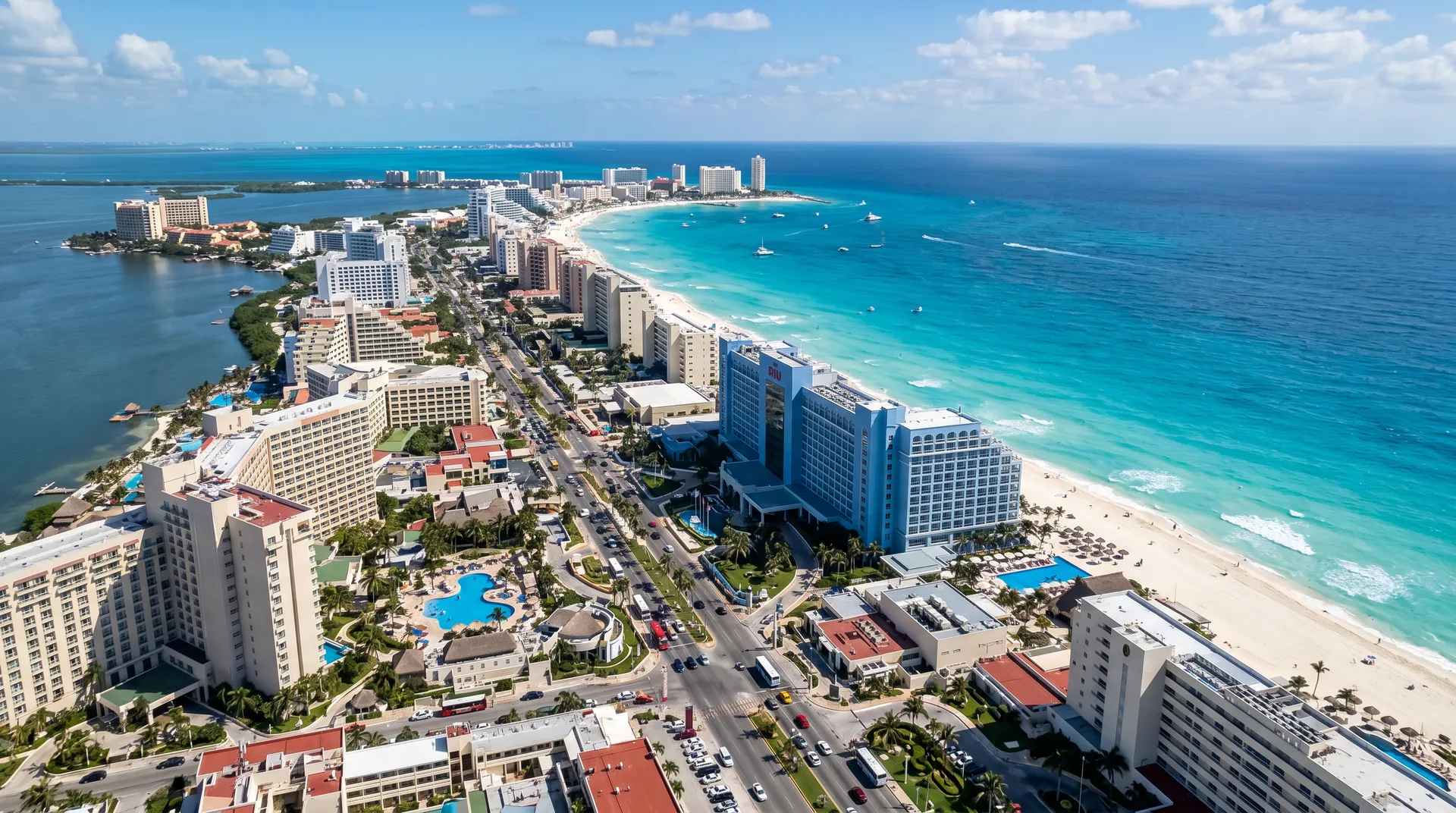
Cancún has evolved from a tourism destination into a strategic logistics center for Mexico's Caribbean region. Located in Quintana Roo, Cancún serves as the gateway to the Riviera Maya and benefits from the growing Costa Maya port infrastructure. The city's international airport connects it to global markets, while Federal Highway 307 provides reliable ground transportation links to other parts of the Yucatan Peninsula. Cancún's economy extends beyond tourism to include manufacturing, particularly in aerospace, medical devices, and electronics through the development of industrial parks. The region's strategic location makes it an ideal distribution point for serving the southeastern Mexican market and connecting to Central America via maritime routes.










