Nashville to Mérida
Mérida → NashvilleFTL freight transportation service between Nashville and Mérida. Reliable logistics solutions for your business.
Route Description
Everything you need to know about the corridor Nashville - Mérida
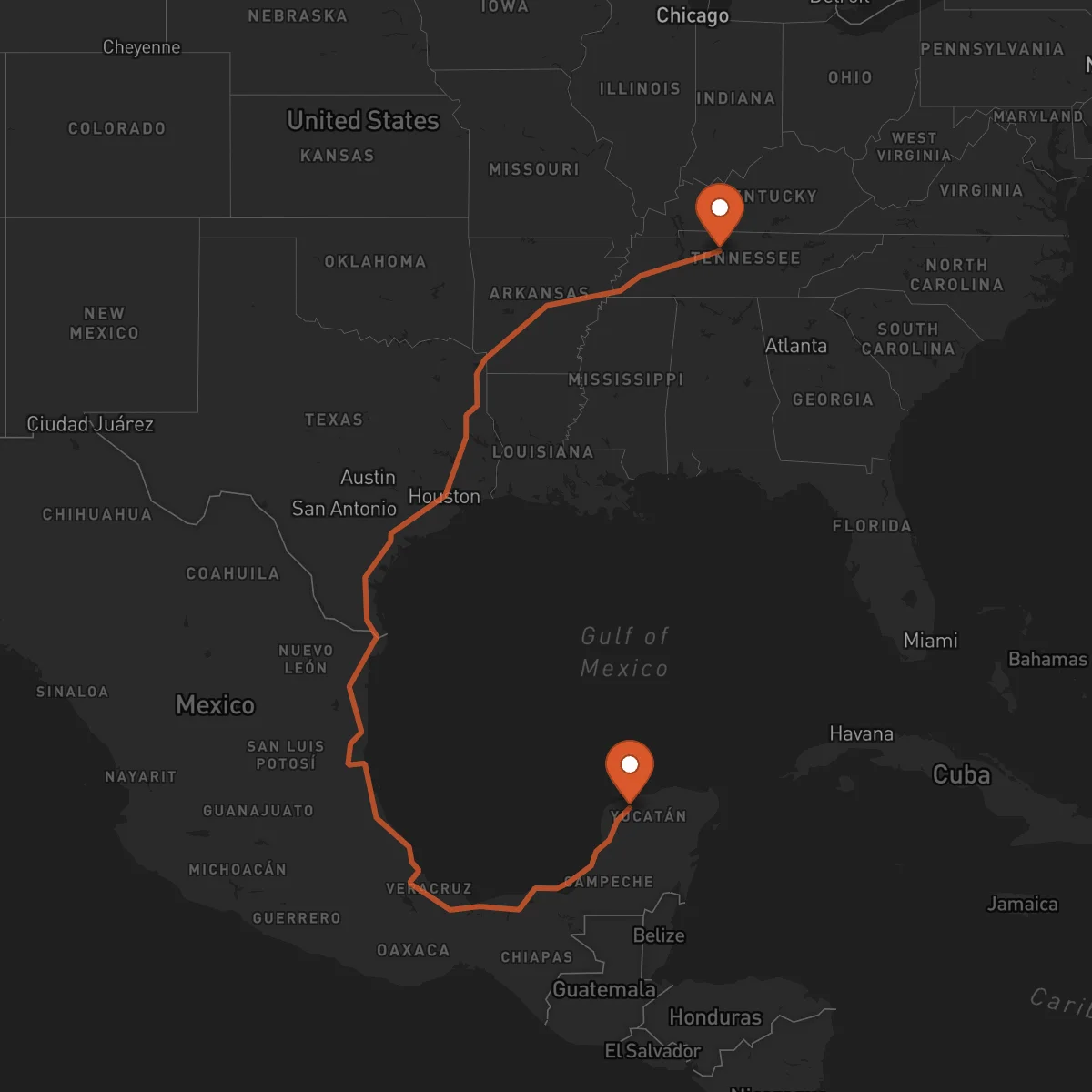
The Nashville-Mérida corridor represents a vital cross-border logistics connection between the industrial heartland of Tennessee and the emerging economic center of the Yucatán Peninsula. This 1,712 km route links two dynamic regions with complementary industrial strengths, facilitating the movement of goods that drive economic growth on both sides of the border. The corridor traverses key states including Tennessee, Arkansas, Louisiana, and the Gulf Coast before crossing into Mexico through strategic border points. Control Terrestre specializes in managing this complex cross-border operation, ensuring seamless freight transportation from origin to destination with our certified transportation network.
Services for this Route
Available services for the corridor Nashville - Mérida
 Origin
Nashville
Nashville serves as a strategic logistics hub in the southeastern United States, benefiting from its central location and excellent transportation infrastructure. The city is a major center for the music and entertainment industry, healthcare, automotive manufacturing, and food processing sectors. Its proximity to major highways including I-40, I-24, and I-65 provides efficient connections to national freight networks. The metropolitan area hosts numerous distribution centers and warehouses, making it an ideal origin point for full truckload shipments destined for Mexico and beyond.
 Destination
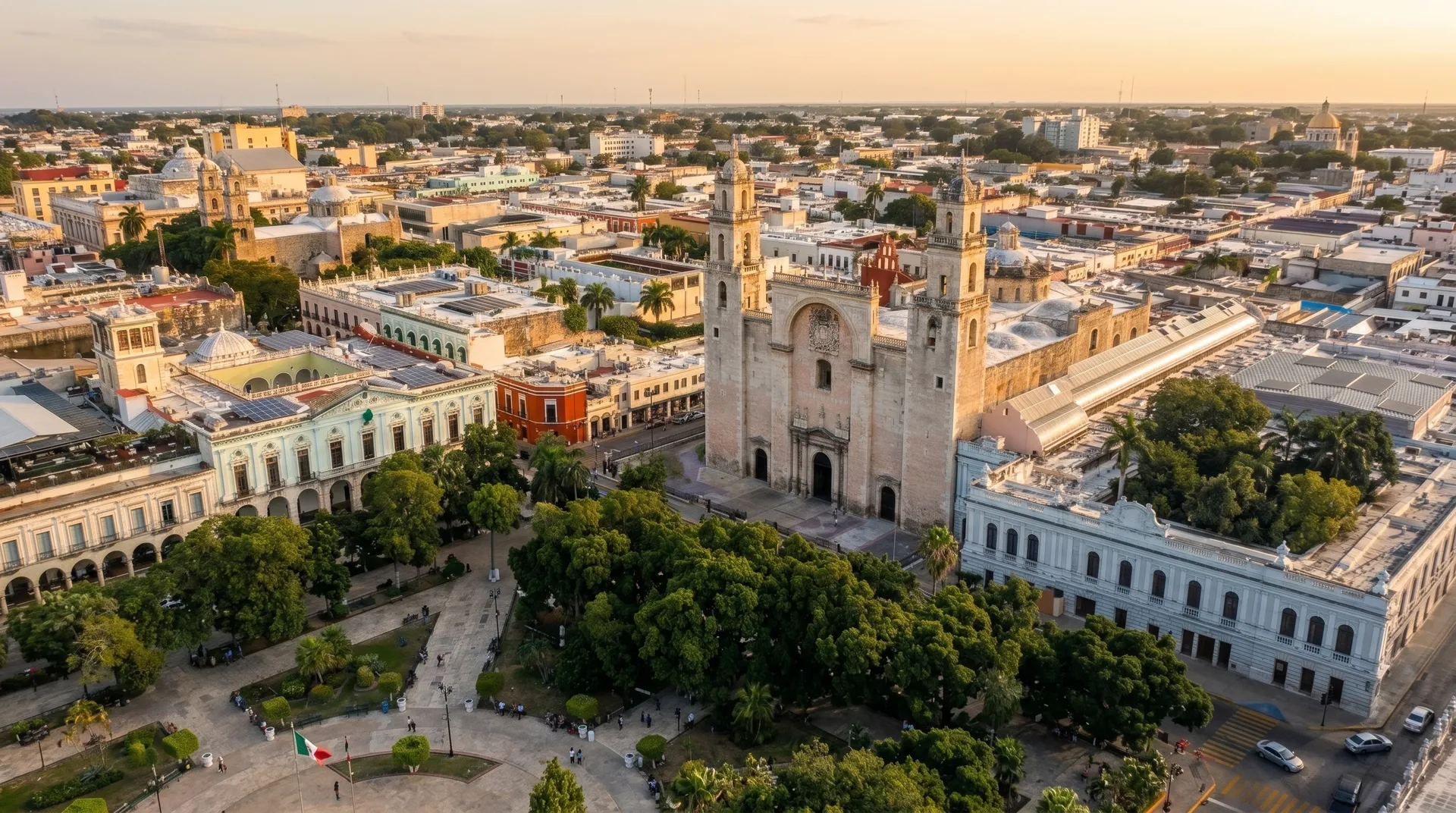
Mérida, the capital of Yucatán, has emerged as a strategic logistics gateway to the Yucatán Peninsula and southeastern Mexico. The city's growing industrial sector includes aerospace manufacturing, tourism services, food processing, and agricultural exports. Its location provides access to major ports like Progreso and connects to the broader Mexican highway network through federal routes. Mérida's infrastructure continues to develop, with expanding industrial parks and distribution facilities supporting the region's economic growth and increasing freight transportation demands.










