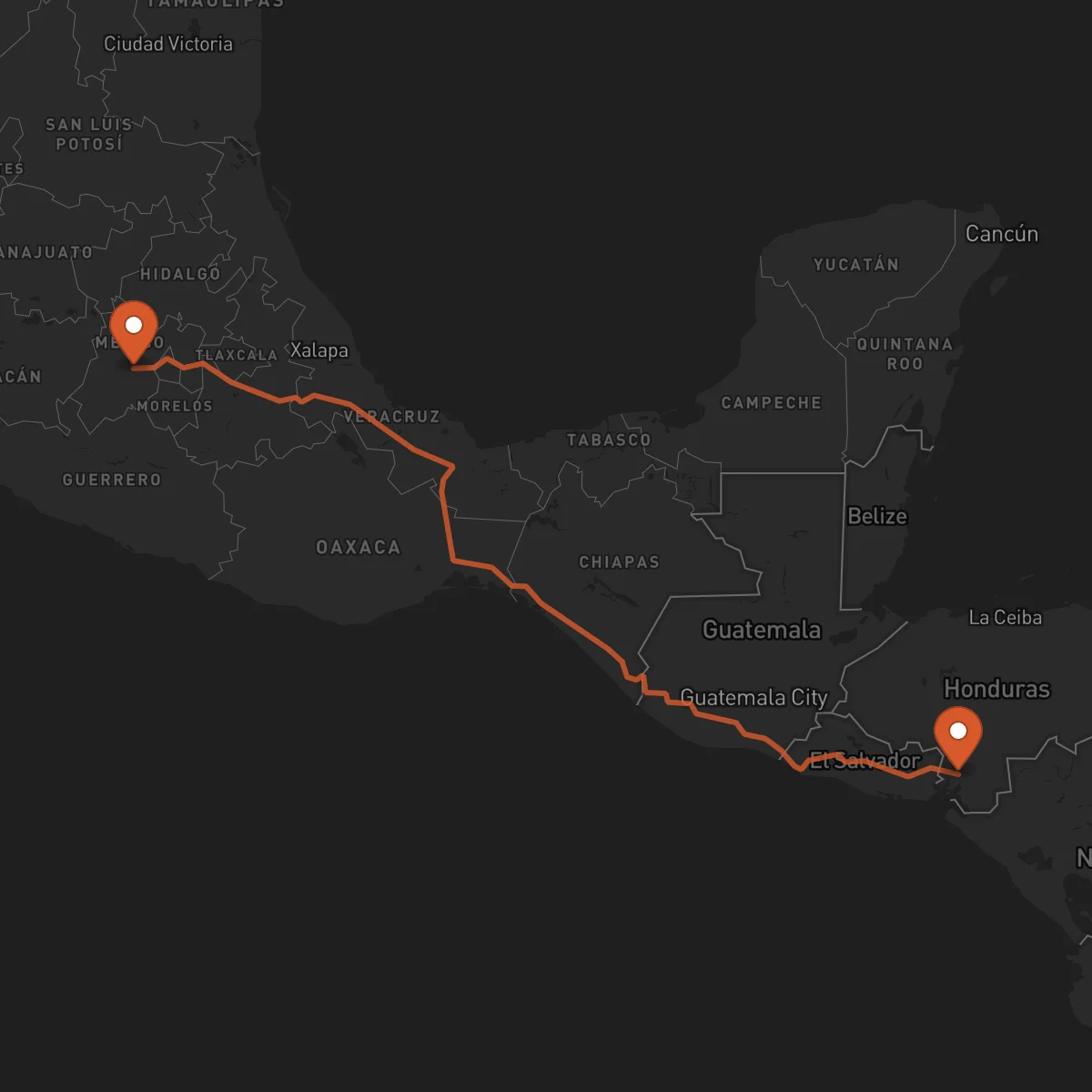
Nacaome to Toluca
Toluca → NacaomeFTL freight transportation service between Nacaome and Toluca. Reliable logistics solutions for your business.
Route Description
Everything you need to know about the corridor Nacaome - Toluca
The Nacaome, Honduras to Toluca, Mexico corridor is a critical North American trade artery, bridging Central America's agricultural heartland with one of Mexico's most significant industrial hubs. This cross-border route is strategically vital for moving goods efficiently between two dynamic economic zones, supporting integrated supply chains that span the continent. The corridor's importance is amplified by its role in connecting Honduran export products, primarily from the Valle region, to the massive consumer and manufacturing market centered on the Mexico City metropolitan area, where Toluca is a key component.
Economically, the region is defined by complementary strengths. The origin in Valle, Honduras, is a powerhouse of agricultural production, particularly in palm oil, bananas, and other tropical fruits, alongside growing textile and wood product manufacturing. Toluca, as the capital of the State of Mexico, is a major industrial and automotive center, home to significant manufacturing plants, a large automotive cluster, and diverse industries including food processing, pharmaceuticals, and metal mechanics. Primary users of this corridor are agribusinesses exporting raw and processed goods, manufacturers shipping components and finished products, and companies with dedicated supply chain links between Central American production and Mexican assembly or distribution centers.
Transportation infrastructure relies on a network of major highways. From Nacaome, the route typically utilizes Honduran Route 5 to connect with the CA-5 highway, a principal Central American corridor linking to the Guatemalan border. After crossing into Guatemala, the network connects to the CA-1 and eventually Mexican Federal Highway 190 and 150D, which traverse southern Mexico toward the Mexico City metropolitan area. The final approach to Toluca uses the Toluca-Naucalpan highway and local state routes. The principal international border crossing is between Guatemala and Mexico at Ciudad Hidalgo/Tecún Umán, a bustling port of entry. Navigating customs and regulatory requirements is a key operational factor; our provider network's certifications, including C-TPAT, FAST, and BASC, are instrumental in facilitating predictable and efficient cross-border clearance, mitigating delays for our clients' full truckload shipments.
At Control Terrestre, we facilitate seamless operations on this corridor through our alliance of specialized transportation providers. We exclusively manage Full Truckload (FTL) solutions, from standard dry vans to specialized equipment like refrigerated units for perishable agricultural goods or flatbeds for industrial components. Our service model provides direct, non-consolidated door-to-door connectivity from a shipper's facility in Nacaome to the consignee's door in Toluca. By leveraging our partners' expertise in cross-border protocols and their certified status, we handle the complexity of the international leg, allowing our clients to focus on their core business. We offer dedicated, expedited, and spot market FTL options tailored to the specific volume and urgency requirements of this strategic trade lane.
Services for this Route
Available services for the corridor Nacaome - Toluca
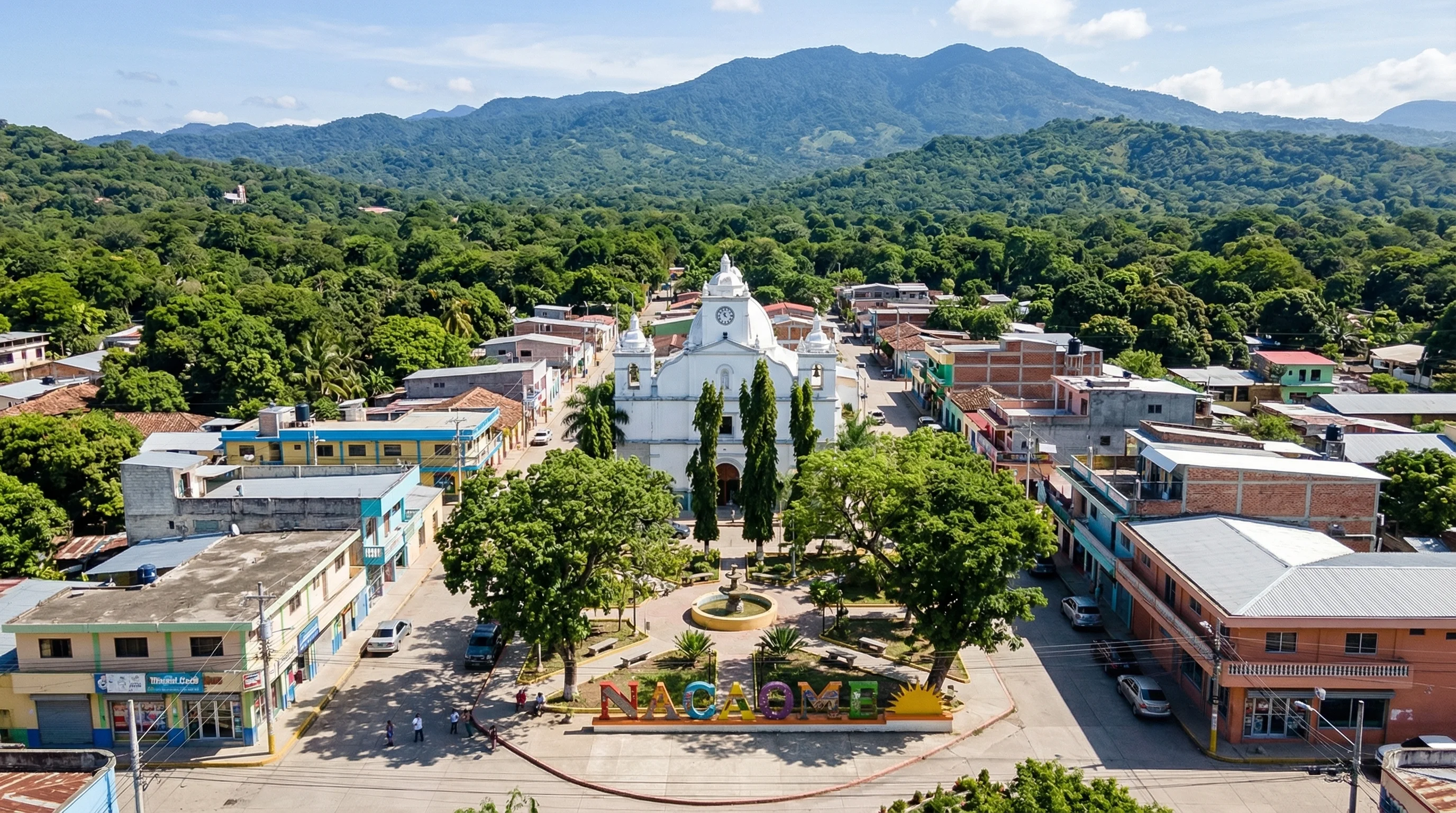 Origin
Nacaome, located in the Valle department of southern Honduras, serves as a pivotal logistics origin point for Central American exports. Its strategic value stems from its position within Honduras's most fertile agricultural region, the Valle de Sula, and its connectivity to the Caribbean port of Puerto Cortés via major highways. This provides a direct link to maritime export routes while also being the starting point for overland north-south corridors. The local economy is overwhelmingly driven by agriculture, with vast plantations producing palm oil (a top national export), bananas, melons, and other tropical fruits. Supporting industries include food processing plants, palm oil extraction mills, and furniture manufacturing, creating consistent demand for outbound freight transportation.
Transportation infrastructure from Nacaome is well-developed for regional trade. The town is a junction on Honduran Route 5, which connects directly to the CA-5 highway—the country's main north-south artery running from the capital, Tegucigalpa, to the northern coast and the Guatemalan border. This highway infrastructure is crucial for moving bulk agricultural commodities and manufactured goods efficiently to the primary border crossing at El Florido/Agua Caliente. From there, goods enter the Central American highway network. The availability of 48' and 53' dry vans and refrigerated equipment is essential for handling the predominant cargo types from this region, ensuring products like fresh produce or bulk oilseeds are transported under optimal conditions to the Mexican border and beyond.
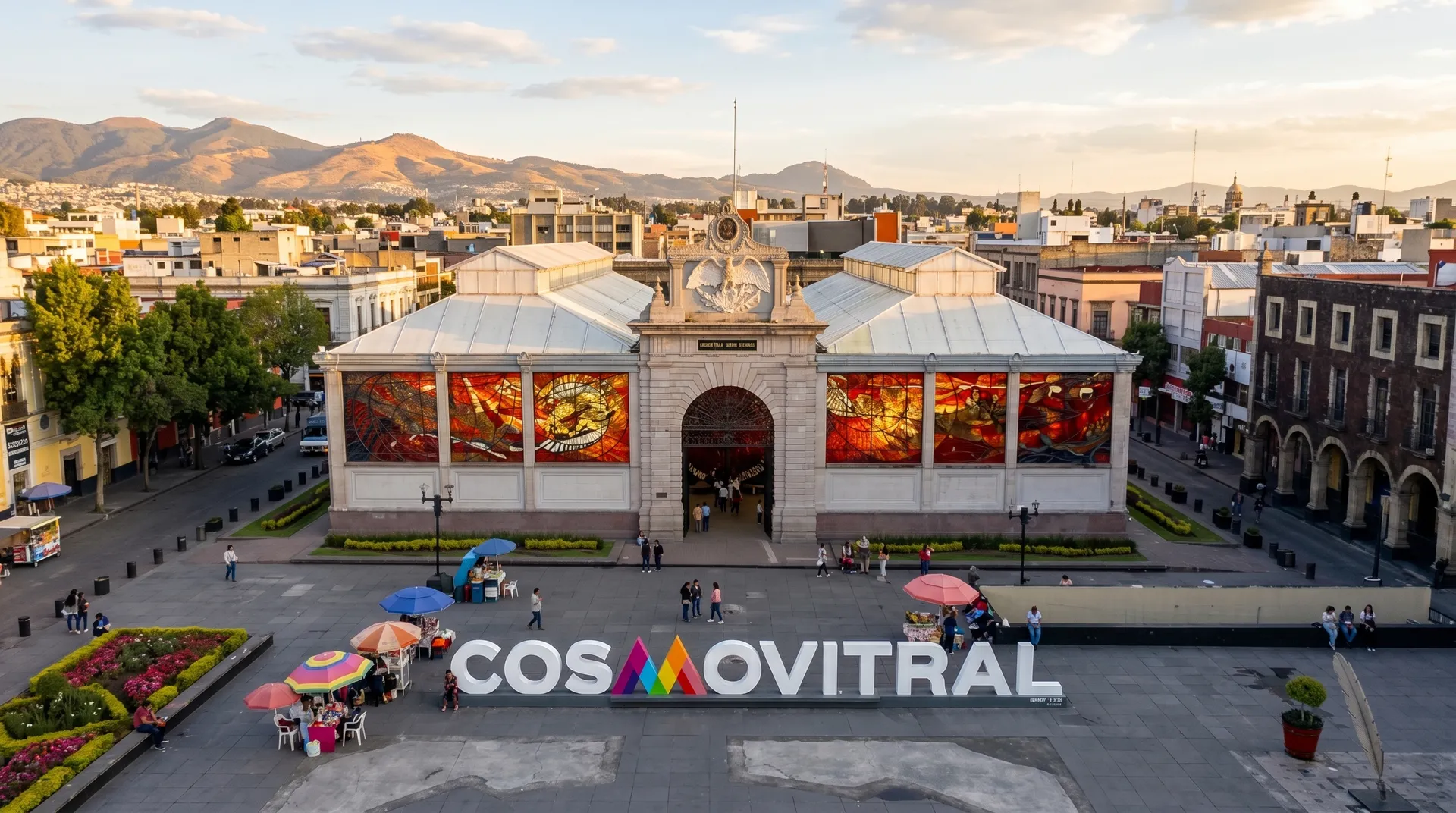 Destination
Toluca
Toluca, the capital of the State of Mexico, is a premier logistics and industrial destination due to its unparalleled geographic and economic position. Strategically situated just 60 kilometers west of Mexico City, it forms a critical part of the country's largest metropolitan and consumer market. Its location provides access to a vast network of highways, including the Toluca-Naucalpan highway and connections to Federal Highway 15 and 150, enabling distribution throughout central Mexico and to key ports on both the Pacific and Gulf coasts. This makes it an indispensable hub for inbound raw materials and outbound finished goods for the region's industries.
The economic landscape of Toluca is dominated by advanced manufacturing. It is a major center for the automotive industry, hosting assembly plants and a dense network of Tier 1, 2, and 3 suppliers. Other key sectors include food and beverage processing, pharmaceuticals, chemicals, metal fabrication, and textiles. This industrial diversity generates high and consistent volumes of freight requiring inbound components and outbound finished products. The city's infrastructure supports this with dedicated industrial parks, warehousing zones, and direct access to Mexico City's international airport (AICM) for high-value air-rail intermodal shipments. For overland freight, the demand is for reliable FTL services—including dry vans for auto parts, refrigerated units for food products, and specialized equipment for machinery—to connect Toluca's factories with suppliers across North America, making the corridor from origins like Nacaome vital for its supply chain.










