
Nacaome to Raleigh
Raleigh → NacaomeFTL freight transportation service between Nacaome and Raleigh. Reliable logistics solutions for your business.
Route Description
Everything you need to know about the corridor Nacaome - Raleigh
The logistics corridor between Nacaome, Honduras and Raleigh, North Carolina represents a vital trade route connecting Central America with the southeastern United States. This 2,626 km cross-border corridor facilitates the movement of goods between Honduras' growing industrial sector and North Carolina's diverse manufacturing and technology hub. The route traverses multiple countries and requires coordination across different transportation systems, making it essential for companies engaged in international trade between these regions.
The economic significance of this corridor lies in its ability to connect Honduras' agricultural exports, textile manufacturing, and maquiladora industries with Raleigh's advanced manufacturing facilities, research institutions, and distribution centers. Companies in the furniture, pharmaceuticals, electronics, and agricultural sectors frequently utilize this route for both import and export operations. The corridor supports just-in-time inventory systems and supply chain optimization strategies that are crucial for modern business operations.
Key transportation infrastructure along this route includes major highways such as CA-1 through Central America, connecting to Mexican Federal Highways and ultimately reaching US Interstate systems. The primary border crossing points include El Amatillo between Honduras and El Salvador, and various crossings between Mexico and the United States. Control Terrestre provides comprehensive cross-border logistics solutions, managing customs documentation, regulatory compliance, and seamless freight transfer across all jurisdictions. Our experienced team ensures efficient cargo movement while maintaining compliance with all international transportation regulations and security protocols.
Services for this Route
Available services for the corridor Nacaome - Raleigh
 Origin
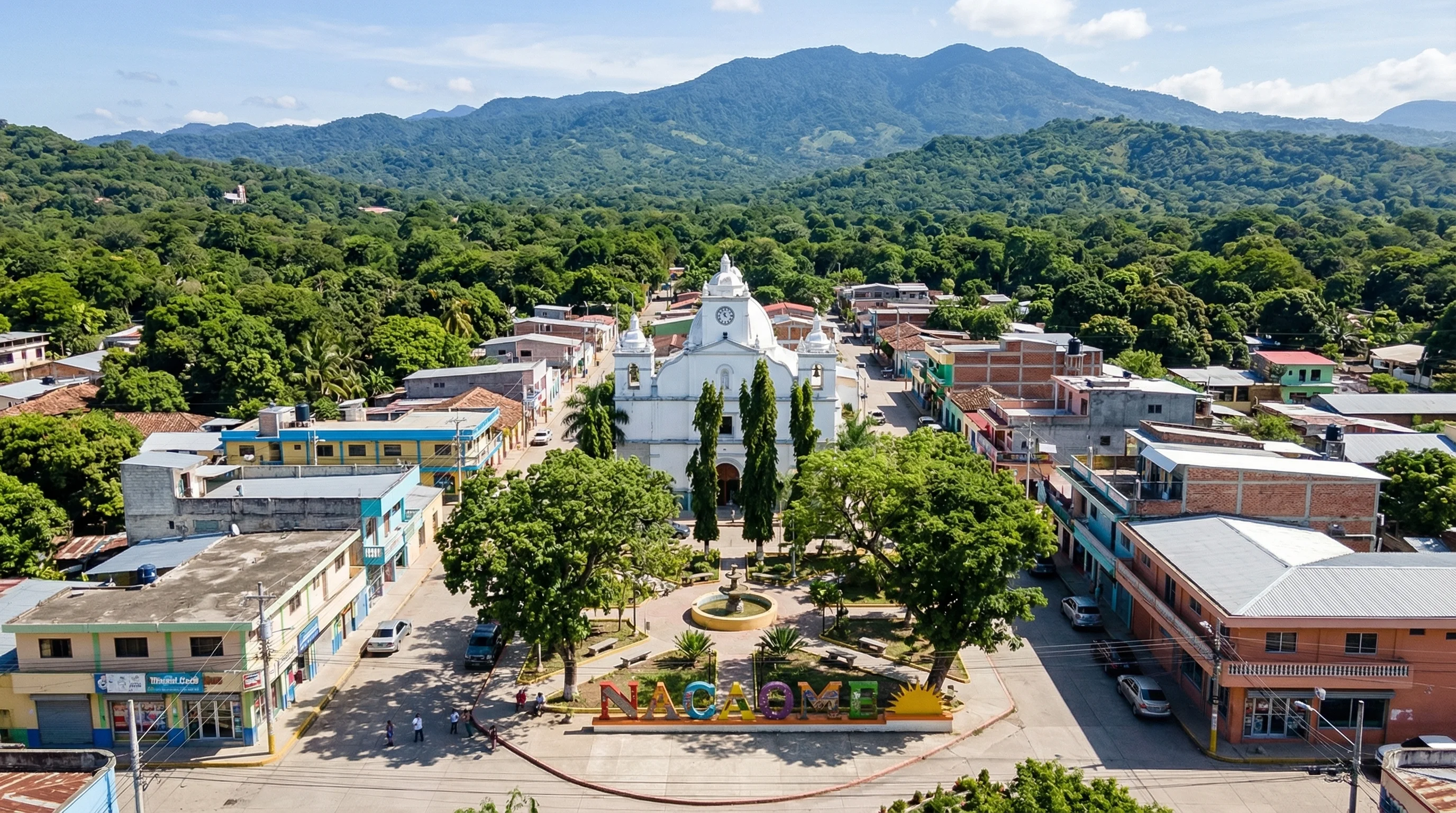
Nacaome, located in the Valle department of Honduras, serves as a strategic logistics hub in southern Honduras. Its position near the El Salvador border and proximity to the Pacific coast make it an ideal gateway for international trade. The city's location provides access to both road and limited rail infrastructure, connecting inland production centers with coastal ports and international markets. Nacaome's transportation network includes major highways linking to San Pedro Sula, Tegucigalpa, and the southern border region.
The economic landscape of Nacaome is characterized by diverse industries including agriculture, textiles, and manufacturing. The region is known for its production of basic grains, sugarcane, and livestock, while also hosting several maquiladora operations that produce textiles and light manufactured goods. The presence of industrial parks and free trade zone facilities has attracted both domestic and international investment, creating a robust logistics demand for both raw materials and finished products.
 Destination
Raleigh
Raleigh, North Carolina stands as a major logistics and economic center in the southeastern United States, strategically positioned within the Research Triangle region. The city's location provides excellent connectivity to major East Coast markets, with access to Interstate 40, Interstate 85, and proximity to major ports in Wilmington and Norfolk. Raleigh's well-developed transportation infrastructure includes an international airport, extensive highway networks, and rail connections that facilitate efficient distribution throughout the eastern United States.
The economic profile of Raleigh is diverse and dynamic, with strong presence in technology, research, pharmaceuticals, and advanced manufacturing. The Research Triangle Park, one of the largest research parks in the world, drives innovation in biotechnology, information technology, and medical research. The region's manufacturing sector includes pharmaceuticals, electronics, and aerospace components, while the agricultural and food processing industries maintain significant operations. This economic diversity creates consistent demand for reliable freight transportation services to support both inbound raw materials and outbound finished products.










