Montpelier to Colima
Colima → MontpelierFTL freight transportation service between Montpelier and Colima. Reliable logistics solutions for your business.
Route Description
Everything you need to know about the corridor Montpelier - Colima
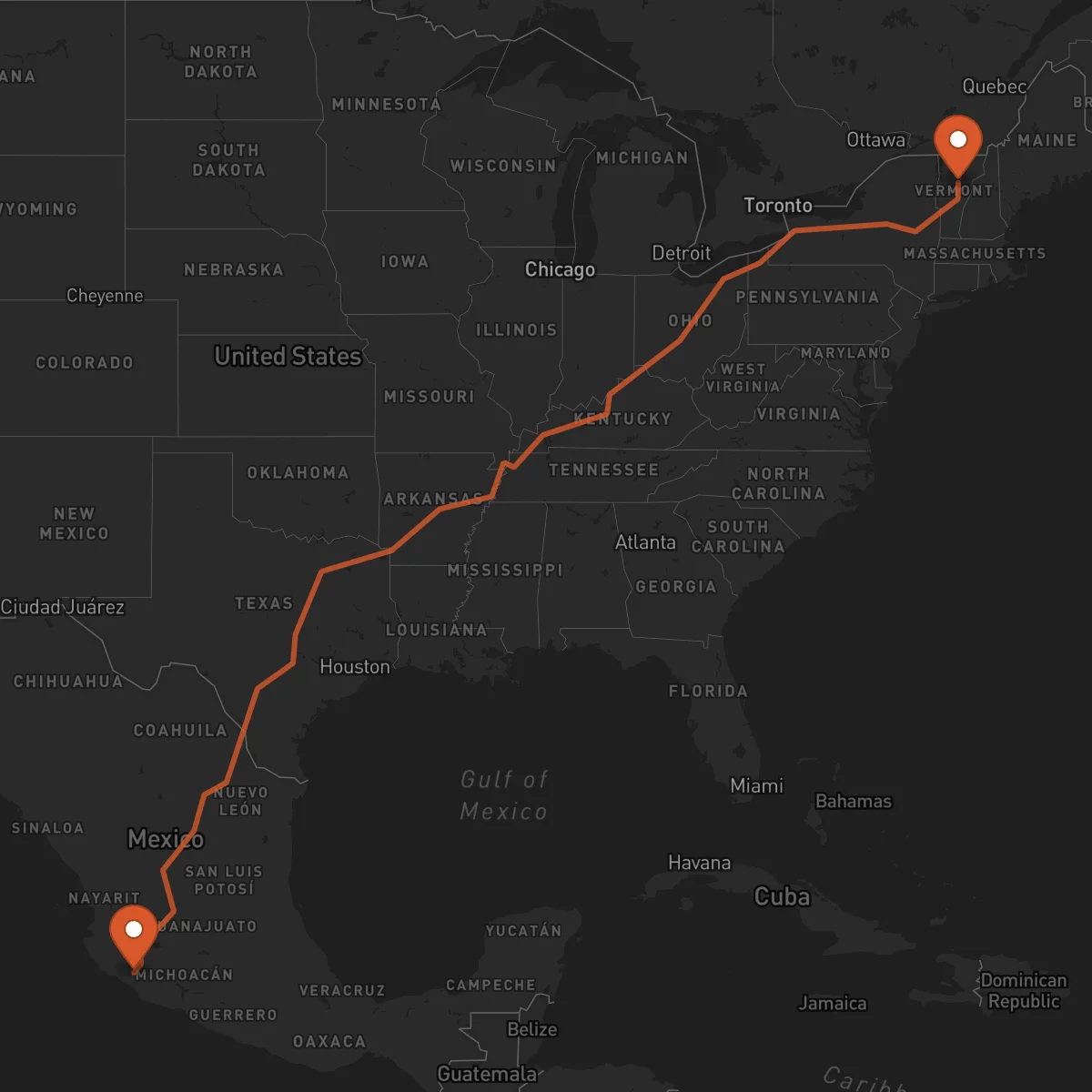
The Montpelier-Colima corridor represents a strategic connection between the northeastern United States and the Pacific coast of Mexico, spanning approximately 4,006 kilometers. This cross-border route links Vermont's capital with one of Mexico's key industrial and agricultural states, facilitating the movement of goods between two dynamic economic regions. The corridor traverses multiple states and crosses the U.S.-Mexico border, requiring expertise in cross-border logistics and customs compliance.
The economic significance of this corridor is substantial, connecting Vermont's manufacturing, technology, and agricultural sectors with Colima's growing industrial base, which includes food processing, mining, and agricultural exports. Companies in both regions benefit from this connection, as it enables the efficient movement of raw materials, finished products, and specialized cargo. The route particularly serves industries such as automotive parts, agricultural products, machinery, and consumer goods.
Transportation along this corridor primarily utilizes major interstate highways in the U.S., including I-89, I-91, I-84, and I-40, before transitioning to Mexican federal highways. The typical border crossing points include Laredo or El Paso, depending on the specific routing and cargo requirements. Control Terrestre's expertise in cross-border operations ensures seamless customs clearance and compliance with all regulatory requirements, minimizing delays and optimizing transit times for our clients.
Services for this Route
Available services for the corridor Montpelier - Colima
 Origin
Montpelier
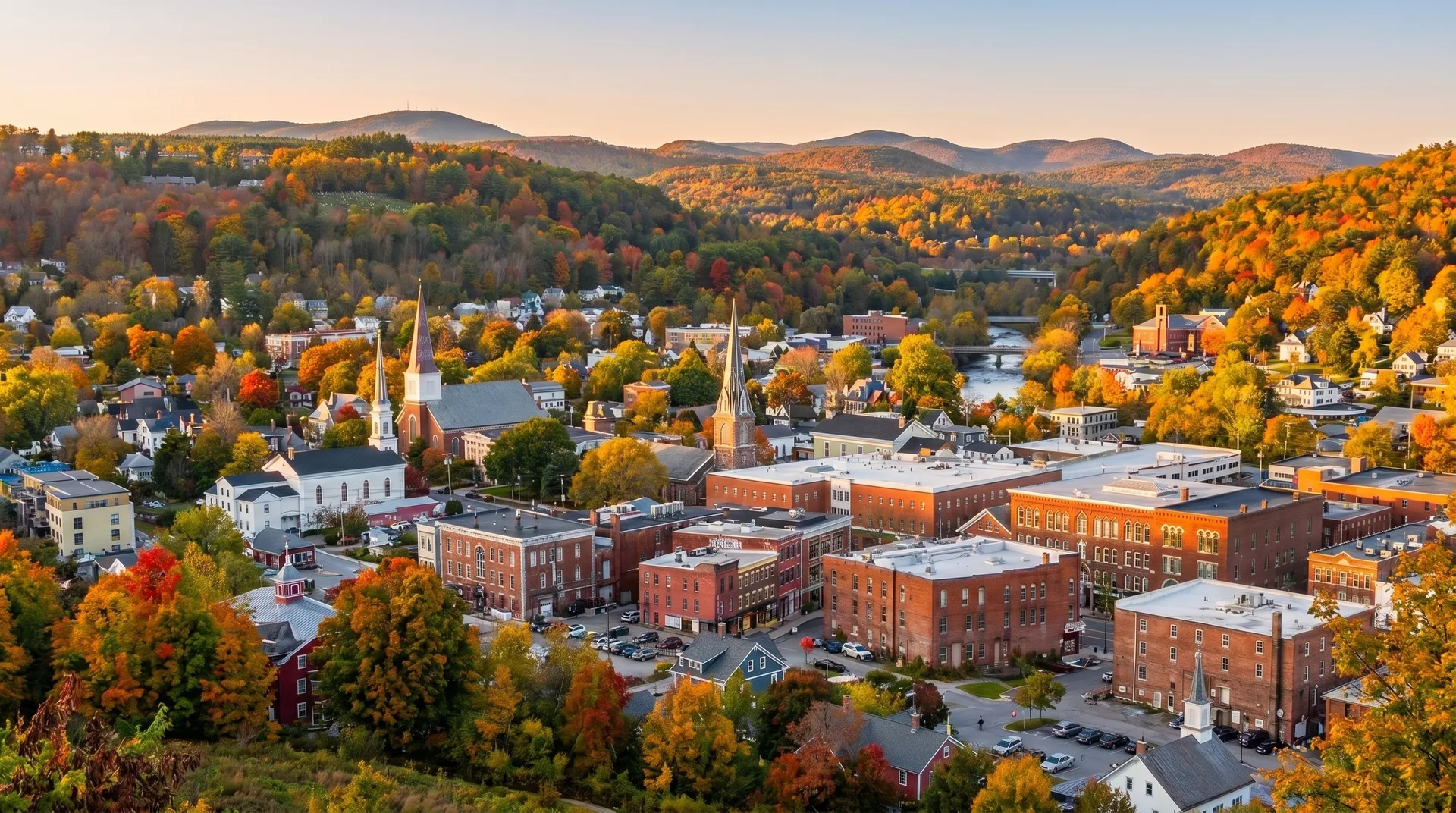
Montpelier, Vermont serves as a strategic starting point for cross-border freight operations, despite being a smaller capital city. Its location in the northeastern United States provides access to major logistics hubs in New England and the broader northeastern corridor. The region's economy is characterized by manufacturing, particularly in precision instruments, electronics, and specialty products, as well as agricultural operations including dairy and maple syrup production. Montpelier benefits from proximity to major transportation infrastructure, including interstate highways that connect to Boston, New York, and other key markets. The area's logistics network includes access to rail freight services and proximity to international airports in neighboring cities, making it well-positioned for both domestic and international freight movements.
 Destination
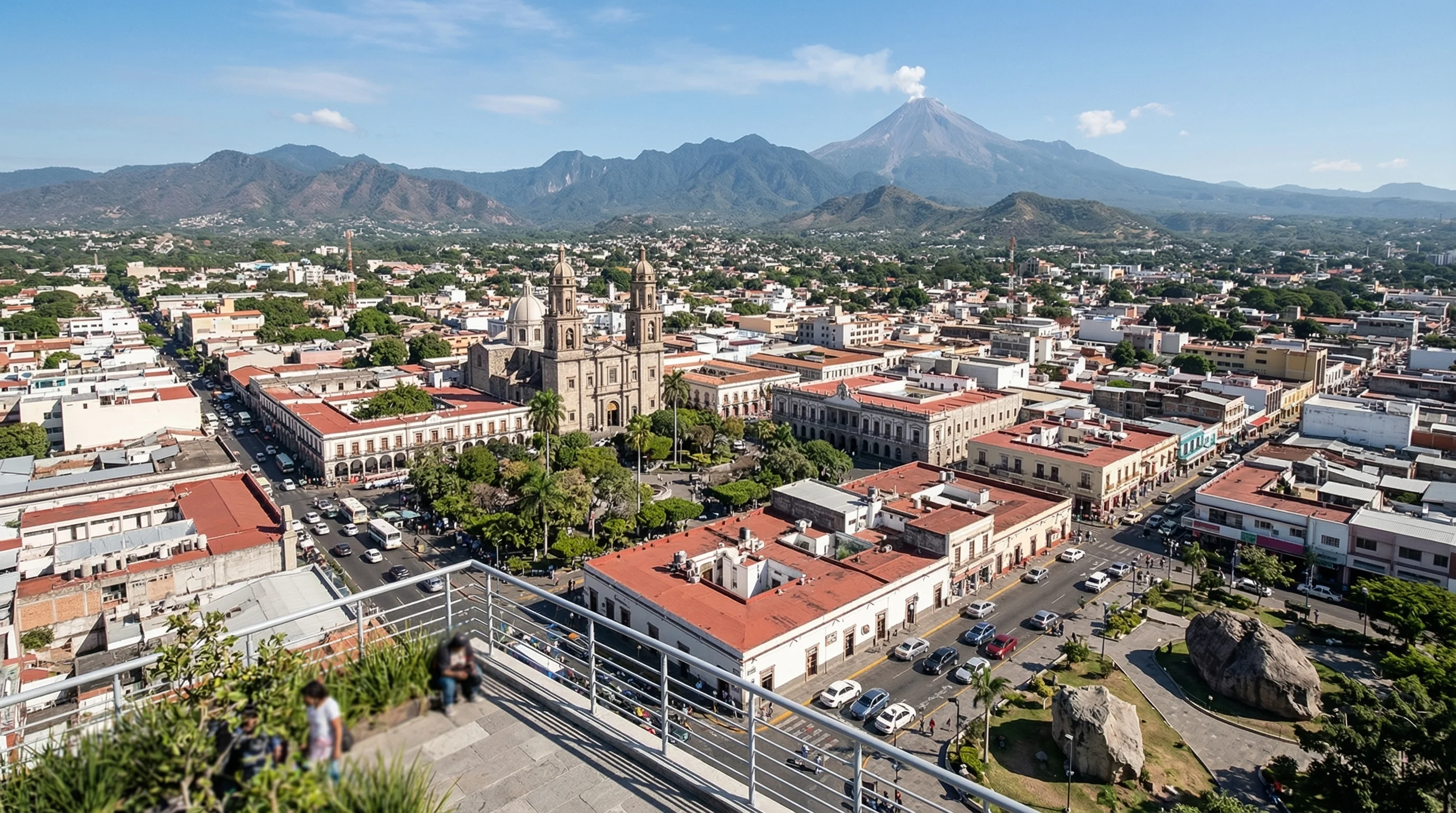
Colima, located on Mexico's Pacific coast, represents a strategic logistics hub with growing industrial importance. The state of Colima features a diverse economy centered around agriculture, particularly lime and coconut production, as well as mining operations and food processing industries. The region's port facilities in Manzanillo, one of Mexico's busiest cargo ports, provide critical access to international maritime shipping routes. Colima's transportation infrastructure includes well-maintained federal highways connecting to major cities like Guadalajara and Mexico City, facilitating efficient distribution throughout central and southern Mexico. The state's strategic Pacific location also makes it an important point for imports from Asia and exports to international markets, particularly in agricultural and manufactured goods.










