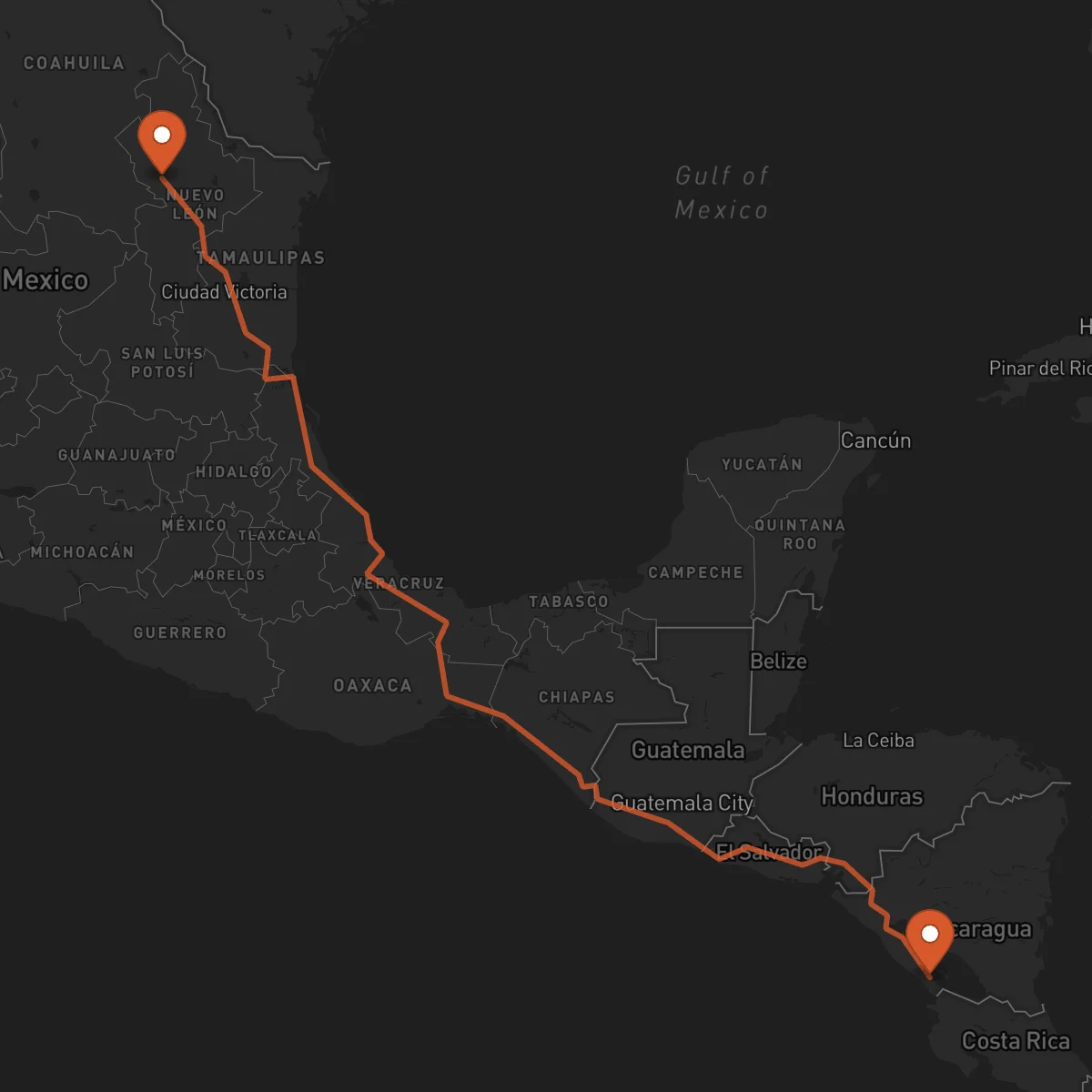
Monterrey to Rivas
Rivas → MonterreyFTL freight transportation service between Monterrey and Rivas. Reliable logistics solutions for your business.
Route Description
Everything you need to know about the corridor Monterrey - Rivas
This cross-border corridor connects the industrial heart of Monterrey, Mexico, with the Pacific gateway of Rivas, Nicaragua, spanning approximately 2197 kilometers. It serves as a vital link for businesses requiring efficient movement of goods between Central America and North America, leveraging the strategic positioning of both hubs. The route facilitates deep integration for companies operating within the region’s manufacturing and agricultural sectors.
The economic context is driven by Monterrey’s strong industrial base and the growing trade activities in Central America. Key industries utilizing this corridor include automotive, aerospace, agriculture, and manufacturing. The transportation infrastructure relies on major highways that connect seamlessly to key border crossings, where customs procedures require experienced coordination for FTL movements.
Control Terrestre facilitates operations on this corridor by leveraging our network of certified providers and equipment, including dry vans and refrigerated units. We handle specialized cargo needs and ensure compliance with cross-border regulations. Our focus on responsible care and clean transportation ensures your freight moves efficiently and sustainably across this critical link.
Services for this Route
Available services for the corridor Monterrey - Rivas
 Origin
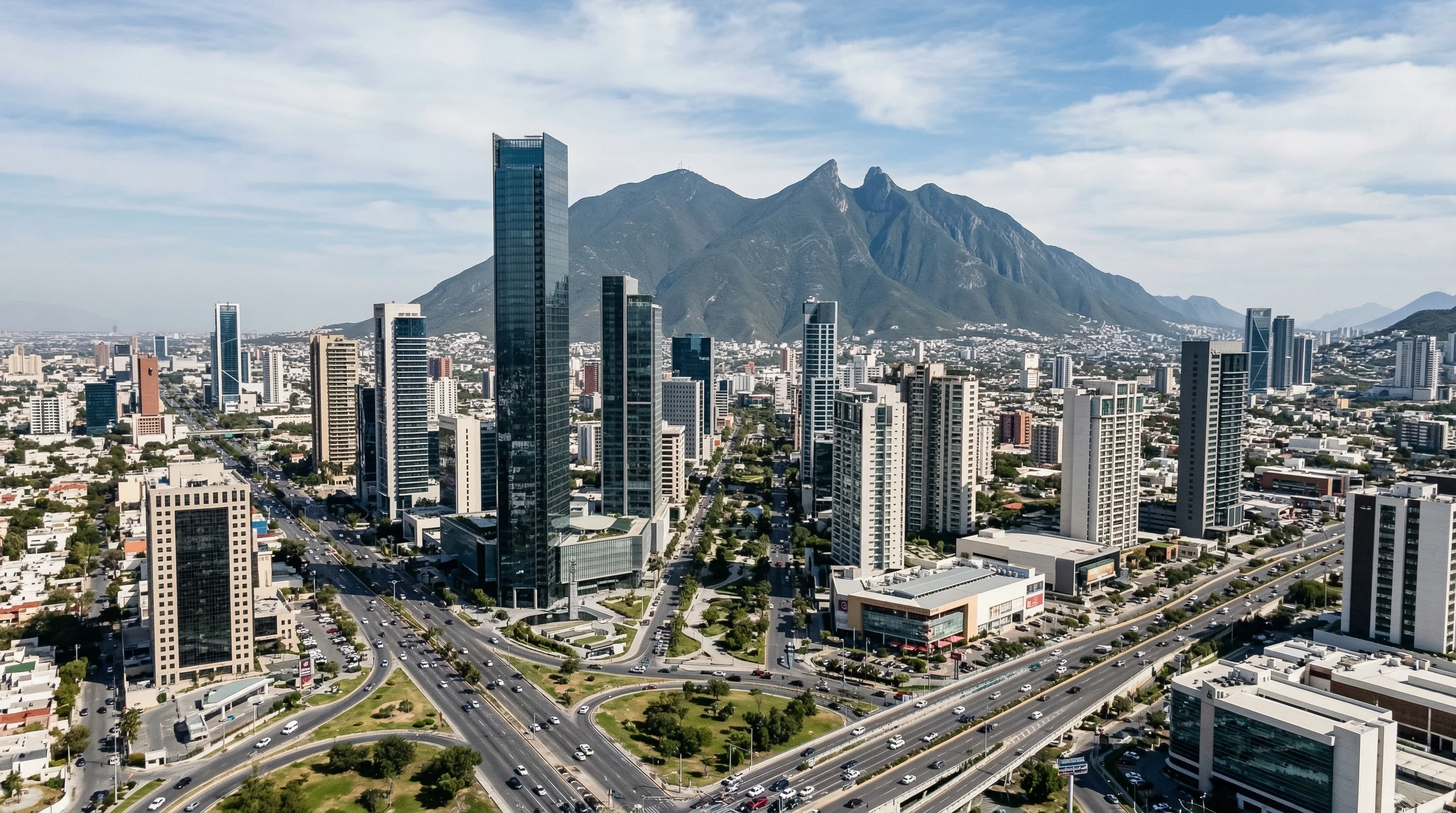
Monterrey
Monterrey is a strategic logistics hub in northeastern Mexico, offering excellent connectivity to North American markets. The city hosts a diverse economy with strong sectors in automotive, metalworking, and technology. Its advanced transportation infrastructure includes major highways and rail connections, supporting full truckload services. The location enables efficient consolidation and dispatch of shipments heading south.
 Destination
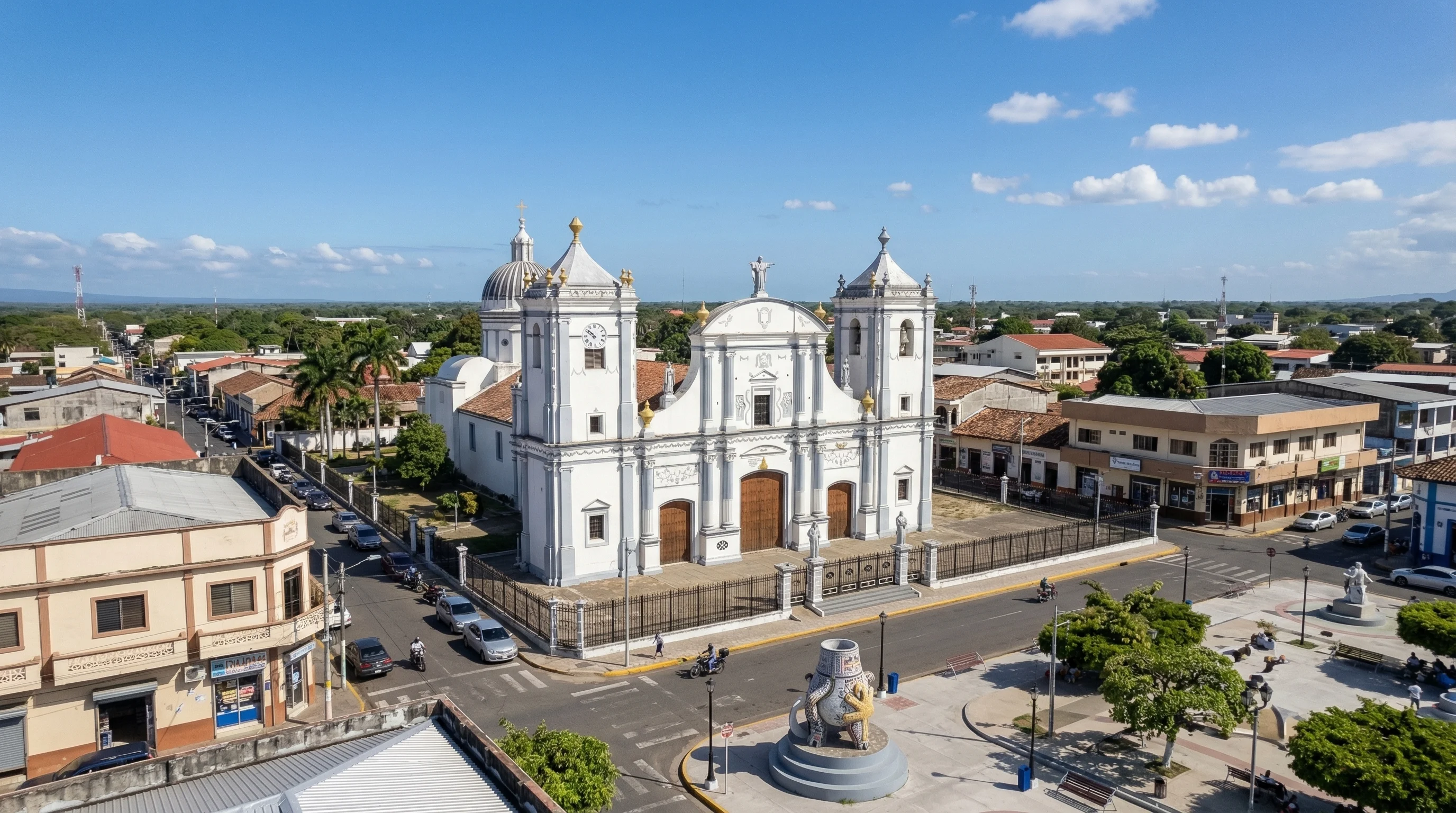
Rivas, located in southwestern Nicaragua, serves as a key logistics node for Pacific coast access. Its economy is centered around agriculture, manufacturing, and trade. The city is well-connected via highways to regional ports and borders, enabling streamlined freight movement. This infrastructure supports specialized cargo requirements and cross-border logistics.










