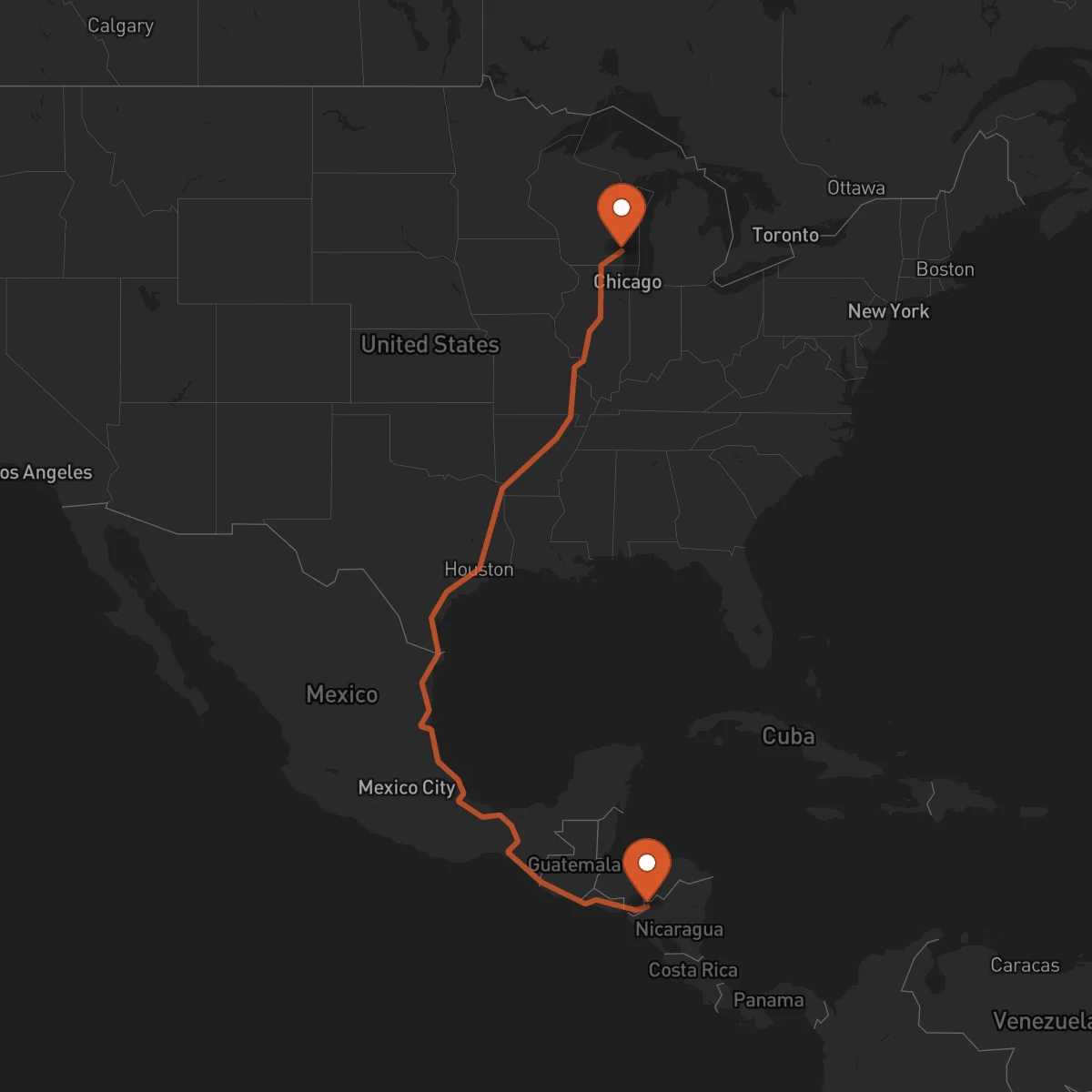
Milwaukee to Somoto
Somoto → MilwaukeeFTL freight transportation service between Milwaukee and Somoto. Reliable logistics solutions for your business.
Route Description
Everything you need to know about the corridor Milwaukee - Somoto
The Milwaukee to Somoto corridor represents a critical north-south logistics artery connecting the industrial heartland of the U.S. Midwest with the growing markets of Central America. This cross-border route facilitates the essential flow of goods, raw materials, and finished products between a major American manufacturing hub and a key distribution point in Nicaragua. The economic vitality of the region drives consistent demand, with industries on both ends relying on efficient, reliable overland transportation to maintain their supply chains. Key sectors utilizing this corridor include automotive and machinery manufacturers in Milwaukee shipping components south, and agricultural producers in Nicaragua, such as coffee and textile operations, moving their exports northward. The primary transportation infrastructure relies on a network of major U.S. interstates, transitioning to Central American highways like the CA-1. A crucial border crossing is at El Ceibo, Nicaragua, which requires meticulous customs coordination. At Control Terrestre, we leverage our strategic alliances with certified carriers experienced in this specific corridor. Our providers hold essential credentials like C-TPAT and FAST, which streamline U.S. border procedures, and we manage all cross-border documentation and compliance, ensuring your full truckload (FTL) moves seamlessly from door to door without the delays common to this complex international route.
Services for this Route
Available services for the corridor Milwaukee - Somoto
 Origin
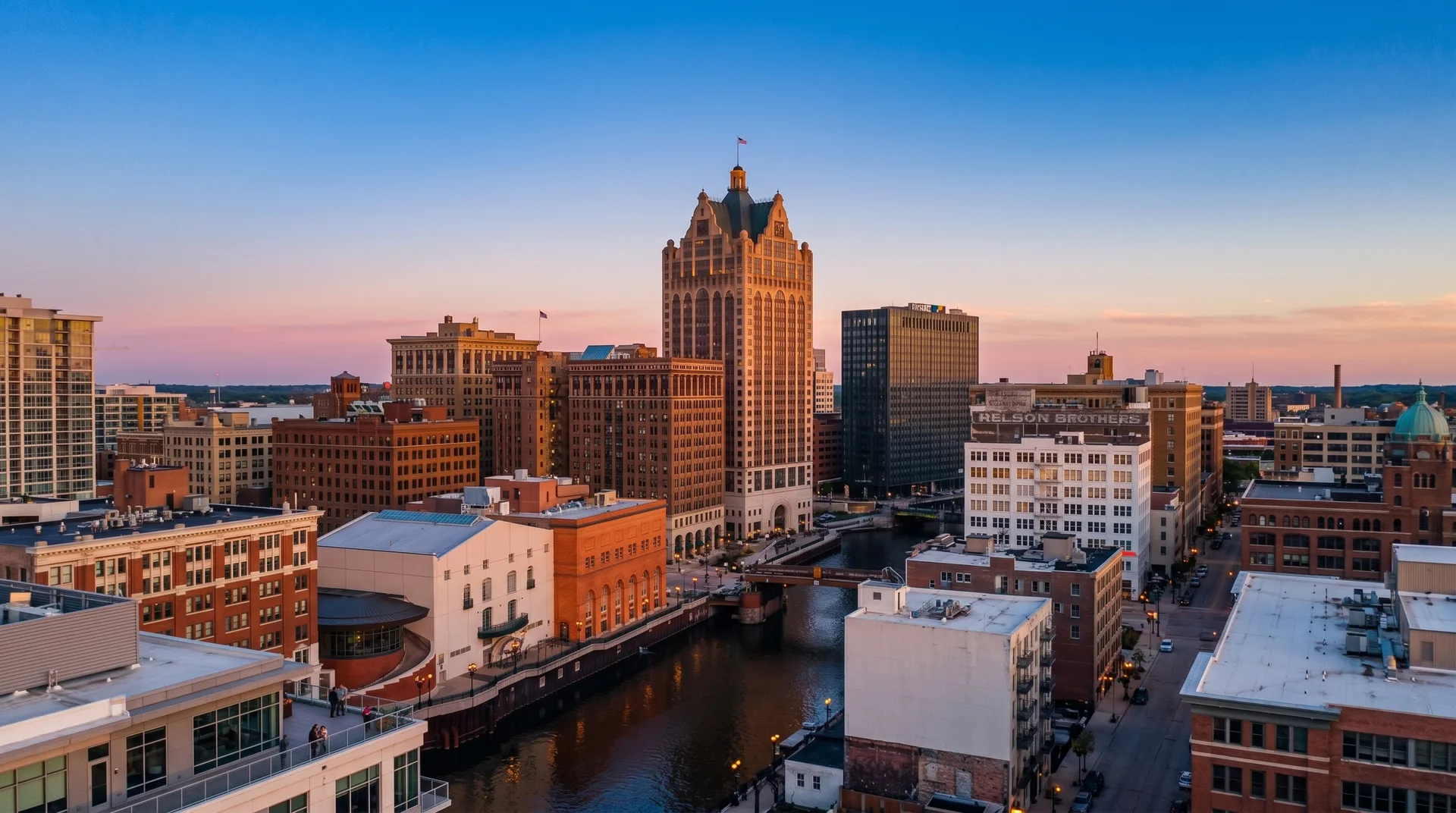
Milwaukee
Milwaukee, Wisconsin, serves as a pivotal logistics origin point due to its strategic position on the western shore of Lake Michigan. It is a core component of the Great Lakes-St. Lawrence Seaway system, providing multimodal connectivity via water, rail, and road. The city's economy is anchored in advanced manufacturing, particularly in automotive (engines, transmissions), machinery, food processing, and brewing. This industrial base generates consistent, high-volume freight requiring dedicated, long-haul transportation. Milwaukee's infrastructure is robust, featuring direct access to Interstate 94, which provides a direct east-west corridor to Chicago and Minneapolis, and links south via I-90/I-94. The Port of Milwaukee and extensive Class I railroad yards offer vital intermodal options, though for direct FTL shipments to Central America, the highway network is the primary conduit. For shippers here, a reliable partner with deep expertise in navigating the initial U.S. border exit and the long haul south is essential.
 Destination
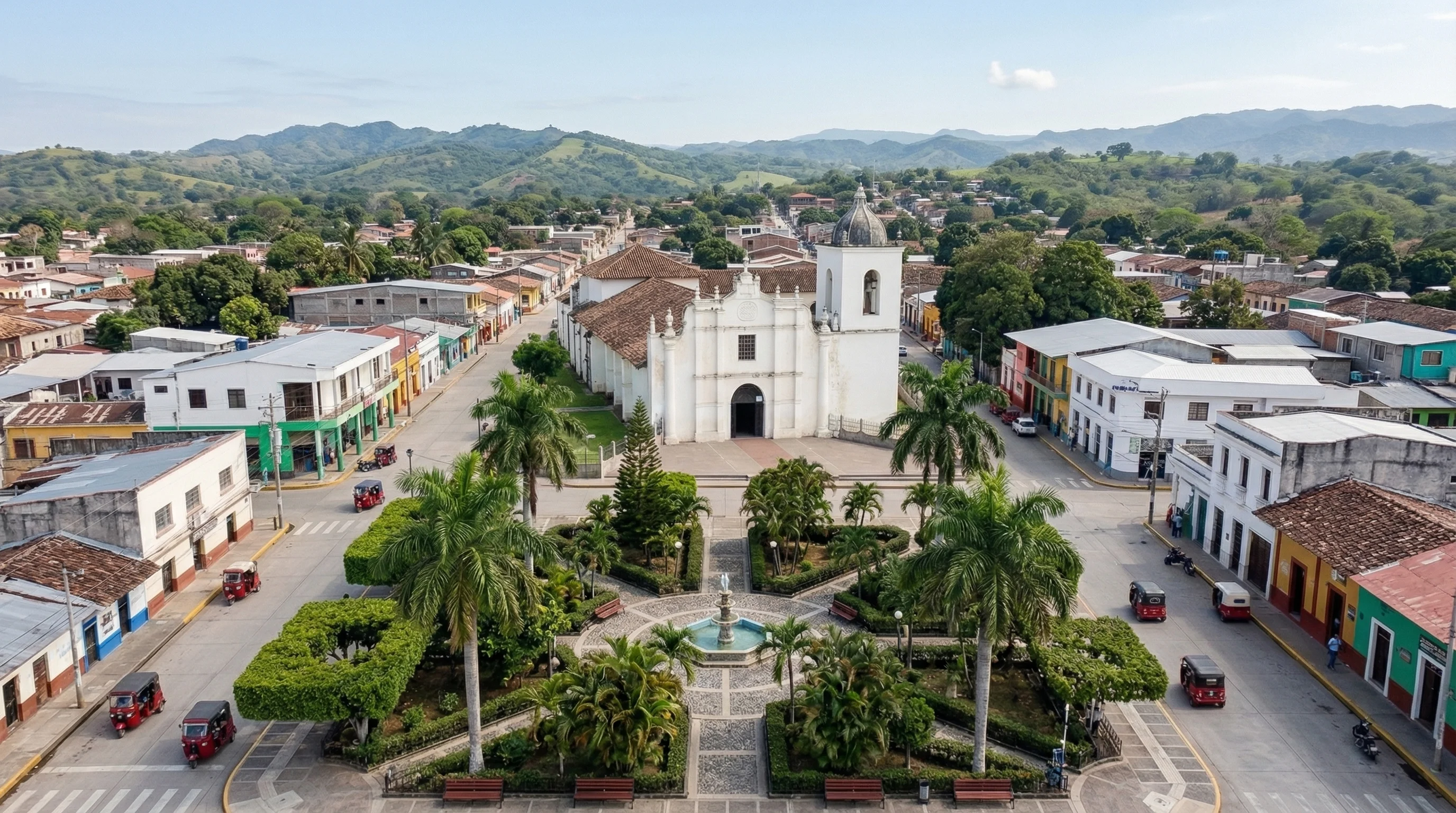
Somoto, located in the Madriz department of northern Nicaragua near the Honduran border, is a strategically important logistics destination. Its value lies in its proximity to major agricultural and production zones in both Nicaragua and southern Honduras. The region is a significant center for coffee cultivation, textile manufacturing, and general agricultural exports. Somoto functions as a key collection and distribution node for these goods before they are transported north. The available transportation infrastructure is defined by the Central American highway network, specifically the CA-1, which connects Somoto to the main border crossings with Honduras and, via the broader Pan-American system, to Nicaragua's Pacific ports. While infrastructure can vary, the corridor is well-established for commercial freight. For importers and exporters, Somoto's location means efficient last-mile connectivity to production areas, but it also requires a logistics partner with proven experience in the final Central American leg of the journey, including local customs and road conditions.










