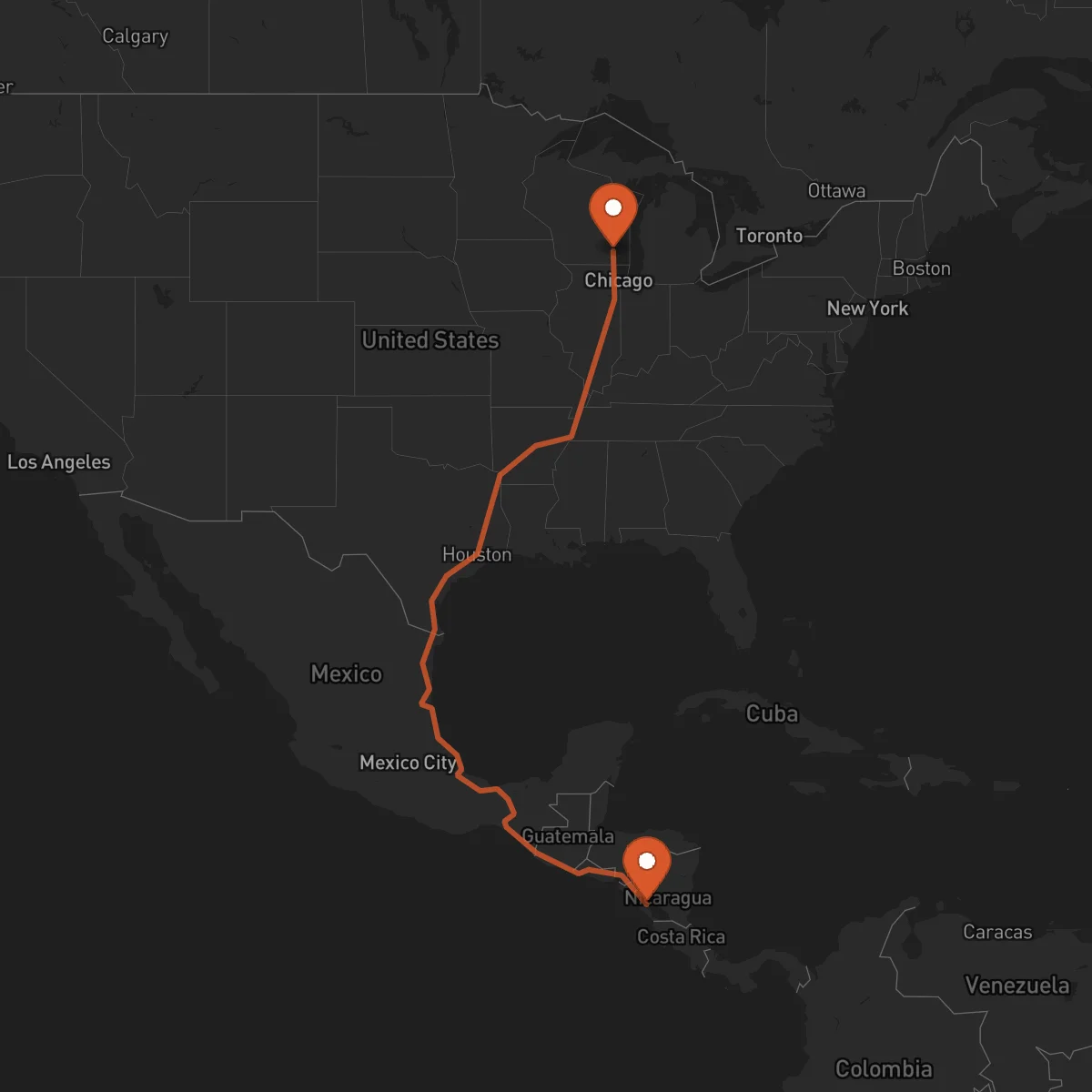
Milwaukee to Masaya
Masaya → MilwaukeeFTL freight transportation service between Milwaukee and Masaya. Reliable logistics solutions for your business.
Route Description
Everything you need to know about the corridor Milwaukee - Masaya
The corridor between Milwaukee, Wisconsin, and Masaya, Nicaragua, represents a strategic cross-border logistics route spanning approximately 3,459 kilometers, connecting the industrial heartland of the United States to one of Central America's most dynamic manufacturing regions. This corridor serves as a vital trade link for companies seeking reliable full truckload freight transportation solutions across North and Central America, enabling efficient supply chain operations between these two key economic zones.
Milwaukee, as a major industrial and manufacturing hub in the Midwest, generates significant freight volumes destined for Central American markets. The region's diverse industrial base—spanning automotive parts, food processing, machinery, and consumer goods—creates consistent demand for dependable cross-border transportation. Masaya, Nicaragua's prominent manufacturing and commercial center, receives these goods through a well-established logistics network that supports the country's growing export-oriented industries, including textiles, automotive components, and agricultural products.
The transportation infrastructure along this corridor leverages major interstate highways, including I-94 and I-35 in the United States, connecting to Central American highway networks through strategic border crossings. Key transit points include crossings at Laredo and McAllen in Texas, which serve as primary gateways for freight moving south through Mexico and into Guatemala before reaching Nicaragua. These border crossings require careful coordination of customs documentation, C-TPAT and FAST certifications, and compliance with international trade regulations to ensure smooth transit.
Control Terrestre facilitates operations on this corridor through our robust alliance of experienced transportation providers, ensuring dedicated full truckload services from origin to destination. With certifications including C-TPAT, FAST, and BASC, we navigate the complexities of cross-border logistics while maintaining the highest standards of security and efficiency. Our specialized equipment—including 53' dry vans, refrigerated units, and container chassis—accommodates diverse cargo requirements, providing companies with reliable, door-to-door solutions that optimize their supply chain between Milwaukee and Masaya.
Services for this Route
Available services for the corridor Milwaukee - Masaya
 Origin
Milwaukee
Milwaukee, Wisconsin, serves as a critical logistics hub in the American Midwest, strategically positioned at the intersection of major interstate highways including I-94 and I-90, providing direct access to national freight networks. The city's robust transportation infrastructure, including the Port of Milwaukee and extensive rail connections, supports its role as a gateway for goods moving south toward Central American markets. Milwaukee's diverse industrial base encompasses automotive manufacturing, food processing, machinery production, and consumer goods, generating consistent full truckload freight volumes. The region's well-developed warehousing and distribution facilities, combined with its skilled logistics workforce, make it an ideal origin point for companies seeking efficient cross-border transportation solutions.
 Destination
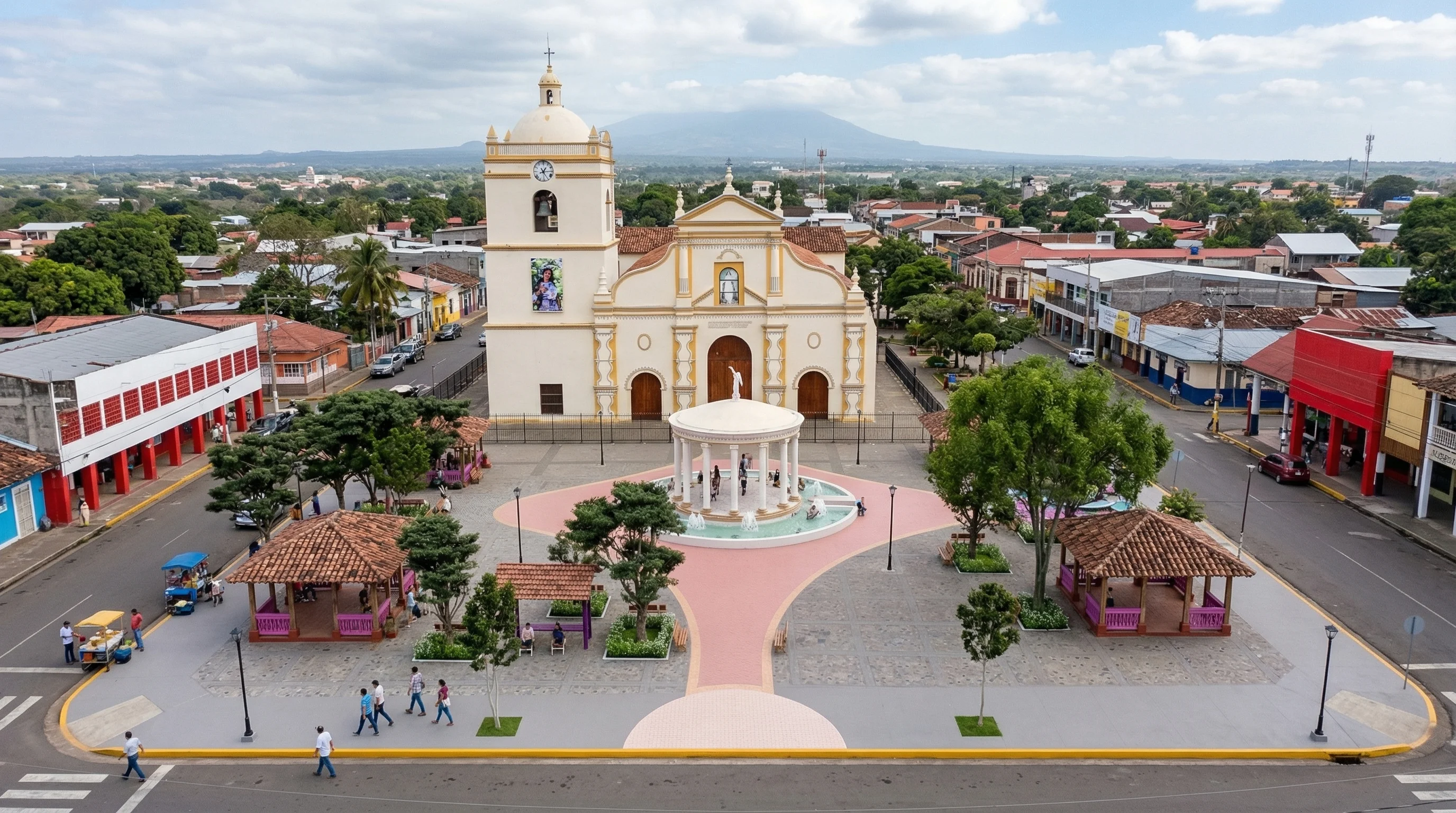
Masaya, Nicaragua, represents a strategic destination for cross-border freight operations, situated in the country's central corridor with access to major highways connecting to Managua and regional commercial centers. The city's growing manufacturing sector, particularly in textiles, automotive components, and agricultural processing, drives demand for reliable inbound logistics from North American suppliers. Masaya's proximity to the Port of Corinto and its integration into Central American trade networks facilitate efficient distribution throughout the region. The area's expanding industrial base and commercial infrastructure make it an increasingly important node for companies seeking to optimize their supply chain operations in Central American markets.










