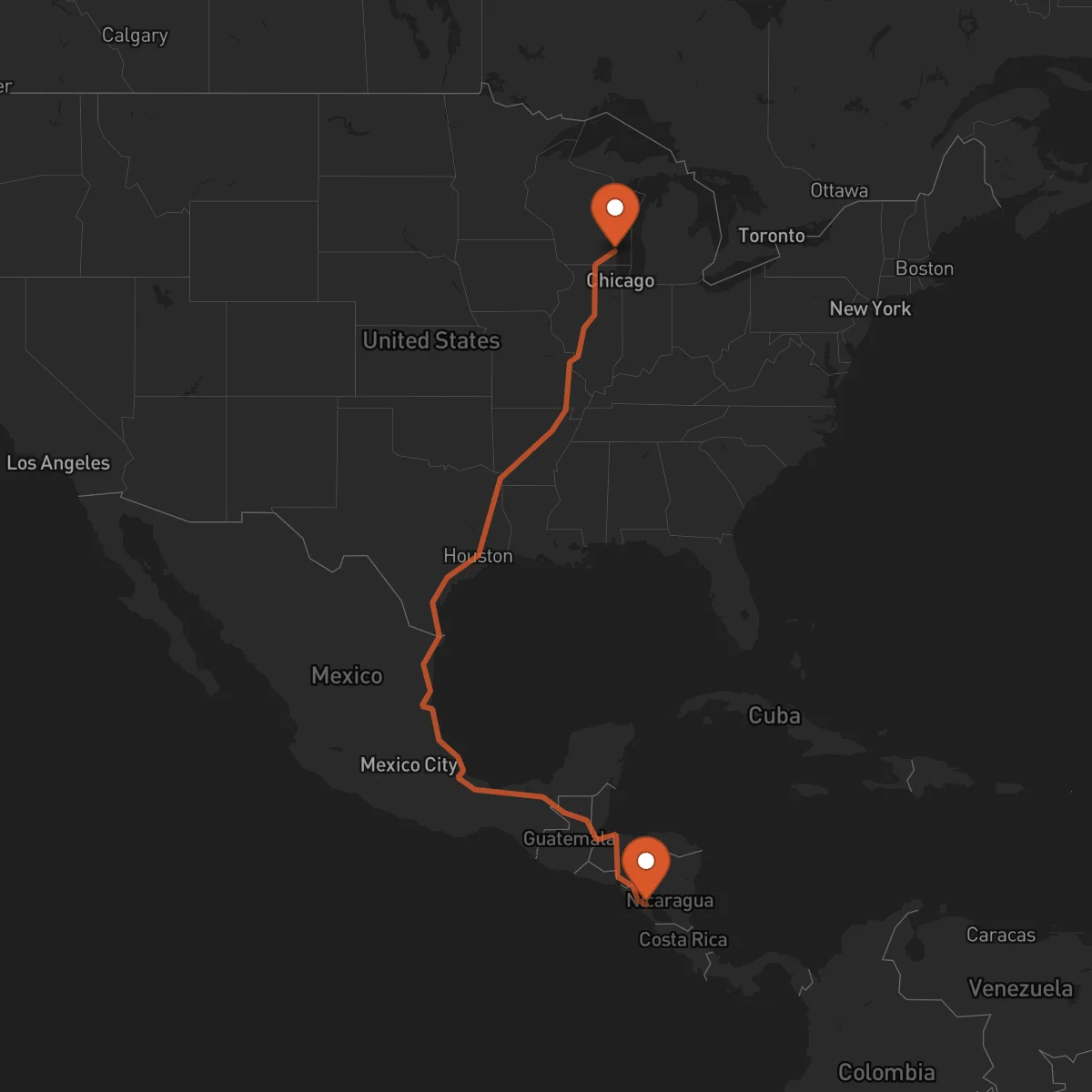
Milwaukee to Managua
Managua → MilwaukeeFTL freight transportation service between Milwaukee and Managua. Reliable logistics solutions for your business.
Route Description
Everything you need to know about the corridor Milwaukee - Managua
The Milwaukee to Managua corridor is a critical cross-border artery connecting the industrial heartland of the U.S. Midwest with the growing markets of Central America. This strategic route facilitates the essential flow of goods, supporting regional economic integration and supply chain diversification. It serves as a vital link for industries on both ends, enabling efficient movement of commodities and finished products across a complex but well-trafficked international landscape.
Economically, the corridor bridges two dynamic regions. Milwaukee is a historic manufacturing and agricultural processing hub, while Nicaragua and its neighbors are significant exporters of agricultural goods and emerging manufacturing centers. Key industries leveraging this route include automotive parts and machinery from the U.S. Midwest destined for assembly plants in Central America, U.S.-bound agricultural exports like coffee, beef, and produce from Nicaragua, and manufactured goods moving in both directions. The consistent demand from these sectors underscores the corridor's resilience and importance.
Transportation infrastructure relies on a network of major highways. From Milwaukee, the primary route typically follows Interstate 94 south through Wisconsin and Illinois, connecting to key southern corridors like I-55 or I-35 towards major Texas border crossings such as Laredo or El Paso. Upon entering Mexico, the journey continues on federal highways like 57 and 150 before traversing the Central American highway network, notably the Pan-American Highway (CA-1), to reach Managua. Navigating the multiple international borders—U.S./Mexico, Mexico/Guatemala, and Guatemala/Honduras/Nicaragua—requires meticulous customs compliance and documentation.
Control Terrestre streamlines operations on this challenging corridor through our strategic alliance of certified providers. Our partners hold essential credentials including C-TPAT and FAST for expedited U.S.-Mexico clearance, and BASC for security standards in Central America, ensuring smoother border transitions. We exclusively provide full truckload (FTL) solutions, offering dedicated, expedited, and specialized equipment—including dry vans, reefers, and flatbeds—to match the diverse cargo needs of this route. Our human-centric, green-focused approach means you deal with a single, expert point of contact who manages the entire journey door-to-door, optimizing your supply chain with reliability and care.
Services for this Route
Available services for the corridor Milwaukee - Managua
 Origin
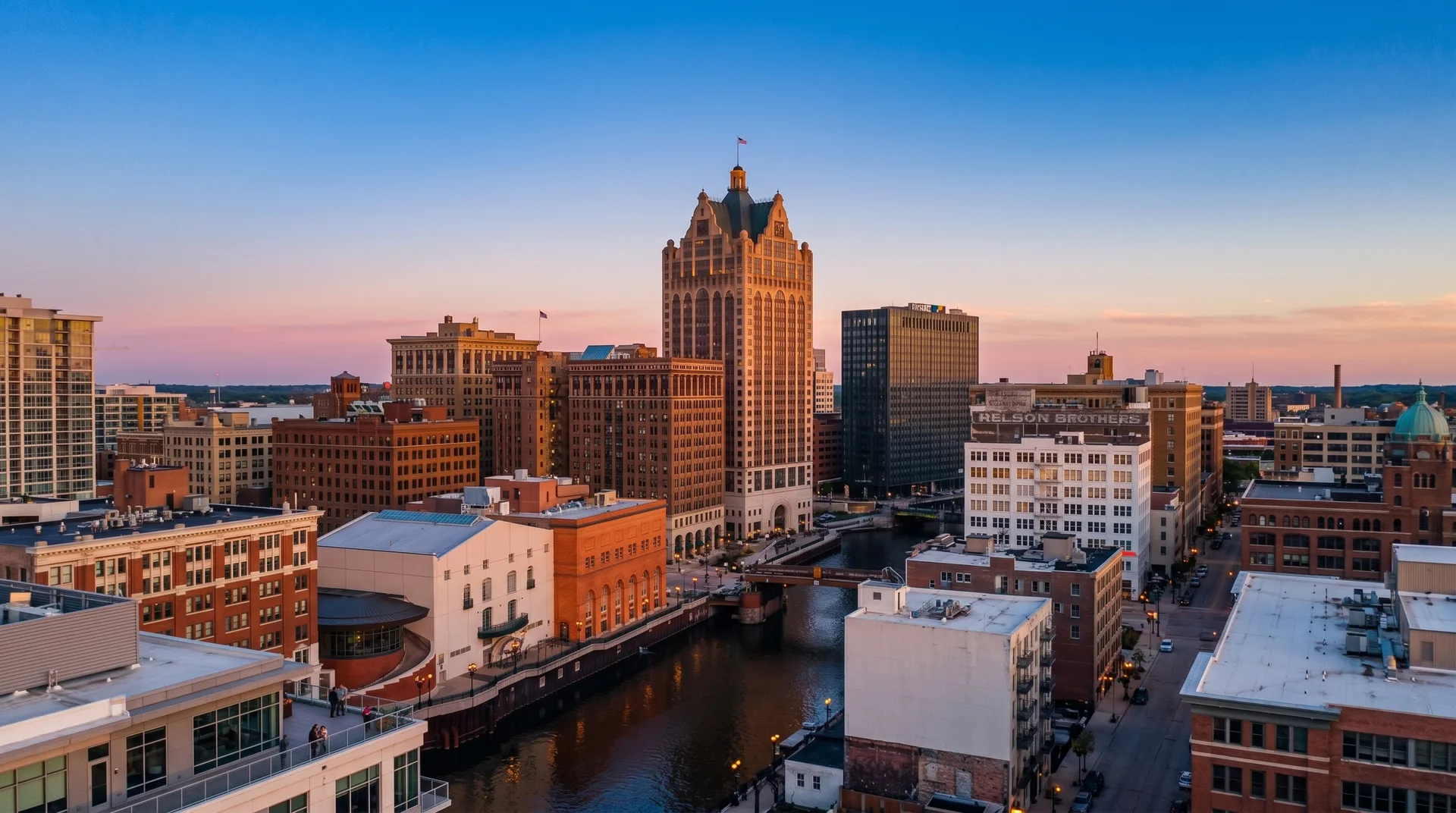
Milwaukee
Milwaukee, Wisconsin, is a premier logistics origin due to its strategic position on the western shore of Lake Michigan, providing intermodal access via the Great Lakes-St. Lawrence Seaway system. The city is a major economic engine for the Upper Midwest, with a deep-rooted industrial base in advanced manufacturing, including machinery, automotive components, and brewing. Its robust infrastructure features extensive highway networks (I-94, I-43), Class I rail connections, and Milwaukee Mitchell International Airport, creating a multimodal hub that efficiently distributes goods throughout North America. The region's strong agricultural sector, particularly in dairy and grain processing, further fuels outbound freight demand, making Milwaukee a consistent generator of high-value FTL shipments.
 Destination
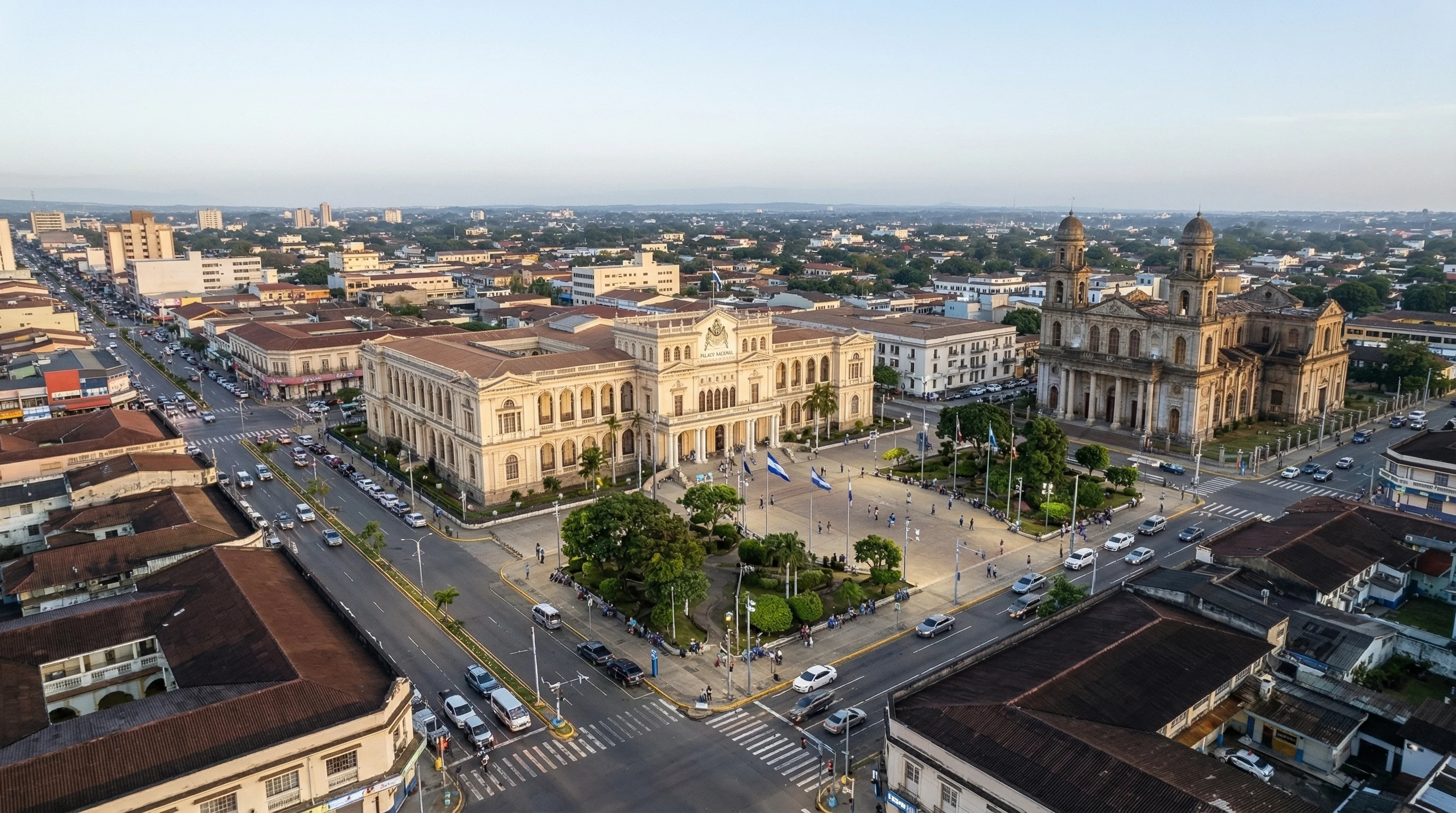
Managua, the capital of Nicaragua, serves as a central logistics and distribution hub for the country and the broader Central American region. Its strategic location in the heart of Nicaragua provides relative accessibility to major production zones for agriculture, livestock, and textiles—the cornerstone of Nicaragua's export economy. The city is connected by the Pan-American Highway (CA-1), which links it to key Pacific ports like Corinto for international shipping and to neighboring countries. While infrastructure faces ongoing development challenges, Managua remains the primary nexus for receiving imported goods, including machinery, foodstuffs, and consumer products, and for exporting coffee, beef, sugar, and textiles. This constant flow underscores the need for reliable, dedicated FTL services into and out of the capital.










