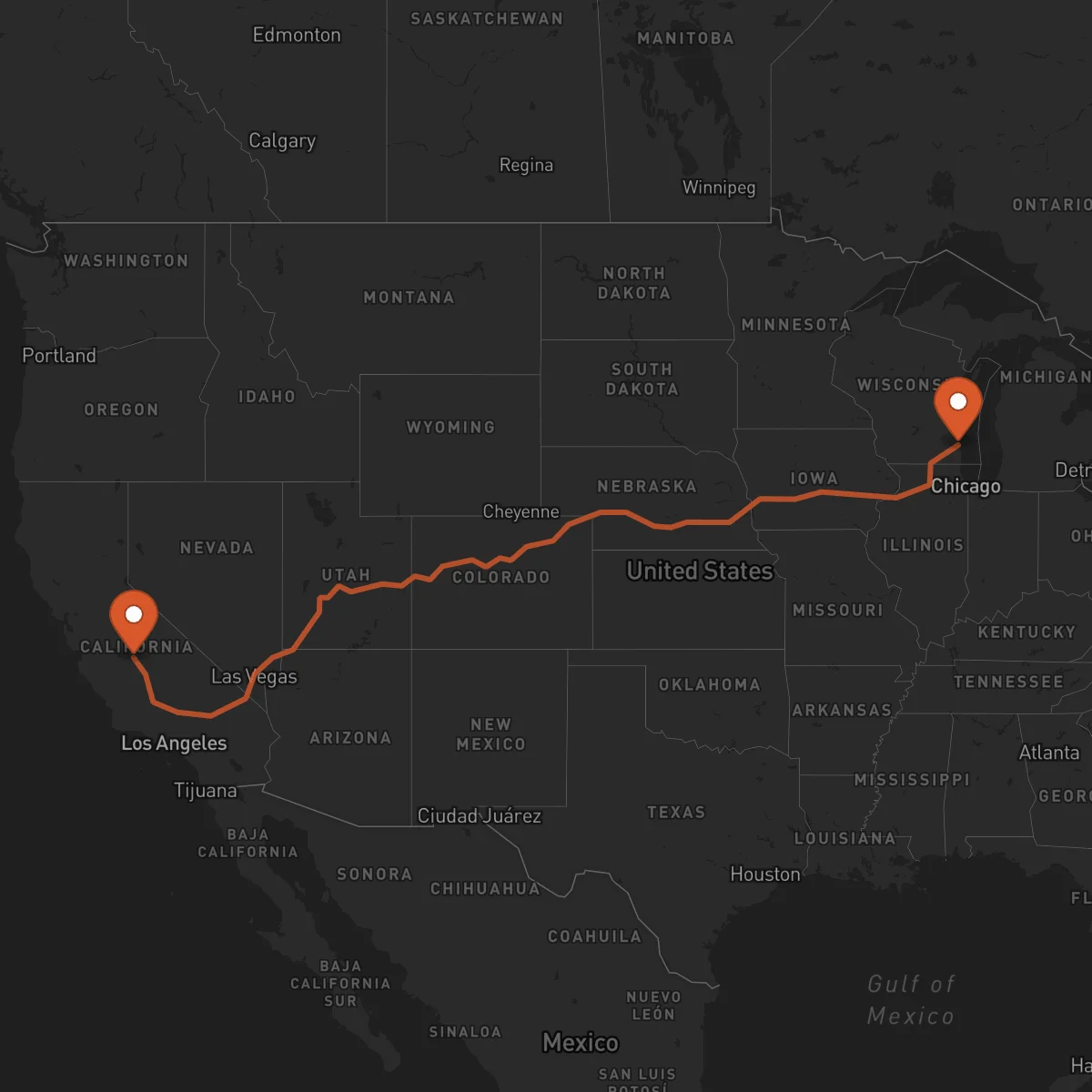
Milwaukee to Fresno
Fresno → MilwaukeeFTL freight transportation service between Milwaukee and Fresno. Reliable logistics solutions for your business.
Route Description
Everything you need to know about the corridor Milwaukee - Fresno
The Milwaukee to Fresno corridor connects two vital industrial hubs across the American Midwest and West Coast, spanning approximately 2,790 kilometers through the heart of the United States. This domestic route traverses key states including Wisconsin, Illinois, Iowa, Nebraska, Colorado, Utah, Nevada, and California, creating a critical link between the Great Lakes manufacturing region and California's Central Valley agricultural powerhouse.
The economic significance of this corridor cannot be overstated. Milwaukee serves as a major manufacturing and distribution center for industries ranging from machinery and metal fabrication to food processing and brewing. Fresno represents one of America's most productive agricultural regions, specializing in fruits, nuts, vegetables, and dairy products. The corridor facilitates the movement of manufactured goods from the Midwest to West Coast markets, while simultaneously transporting fresh produce and agricultural products eastward to feed the nation's population centers.
Control Terrestre provides comprehensive FTL transportation solutions along this strategic corridor, leveraging our extensive network of certified carriers and specialized equipment. Our dedicated services ensure that your full truckload shipments move efficiently between these key markets, whether you're shipping industrial equipment from Milwaukee's manufacturing facilities or fresh produce from Fresno's fertile valleys. We understand the unique requirements of each industry along this route and provide tailored transportation solutions to meet your specific needs.
Services for this Route
Available services for the corridor Milwaukee - Fresno
 Origin
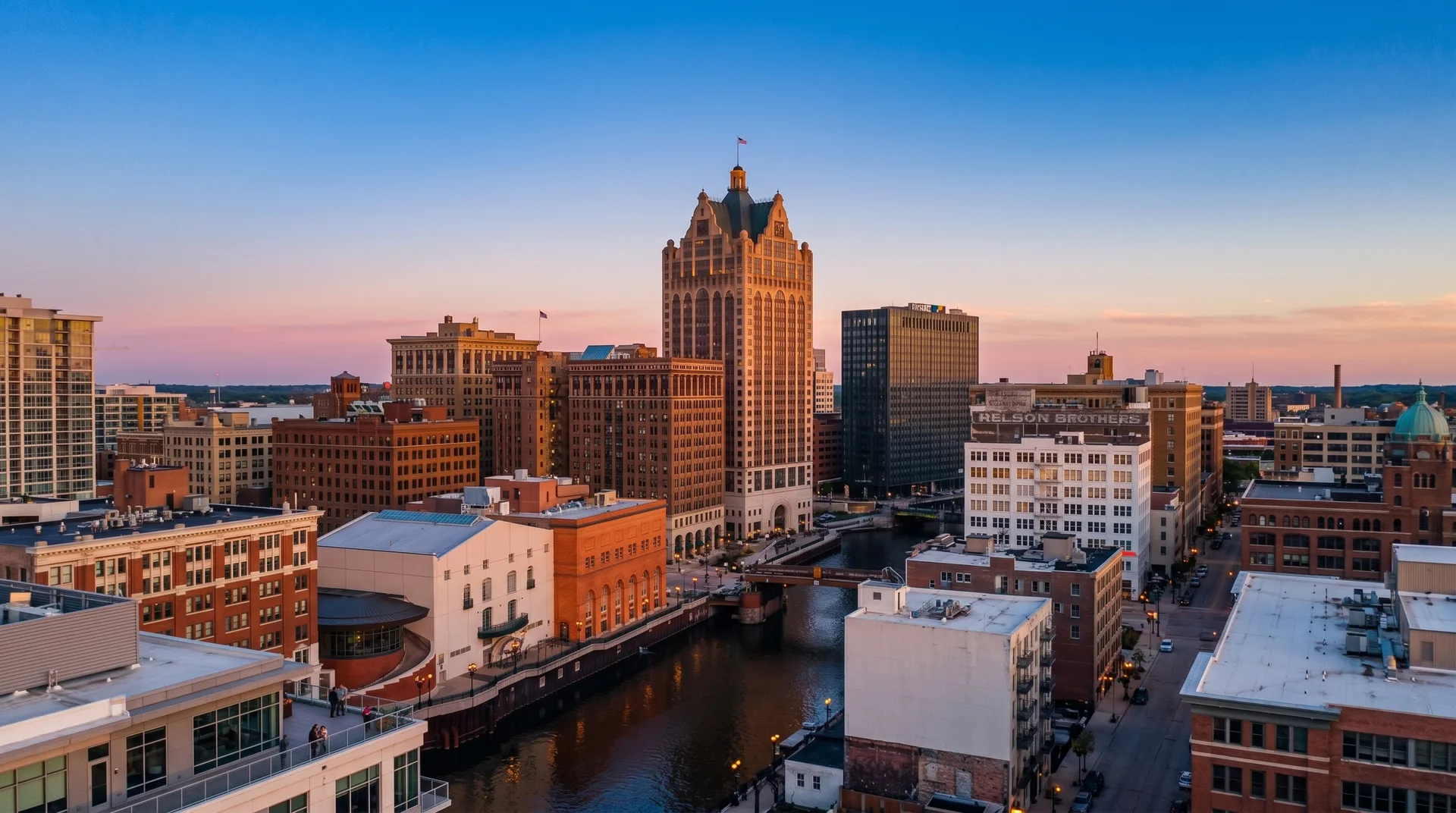
Milwaukee
Milwaukee, Wisconsin stands as a strategic logistics hub in the American Midwest, positioned on the western shore of Lake Michigan with direct access to major transportation networks. The city's industrial heritage and modern manufacturing capabilities make it a crucial origin point for freight movement across the nation. Milwaukee's economy thrives on advanced manufacturing, particularly in machinery, metalworking, and precision engineering, with major employers in these sectors maintaining significant production facilities in the area.
The city boasts excellent transportation infrastructure, including direct access to I-94, I-43, and I-894, providing seamless connections to regional and national freight networks. Milwaukee's General Mitchell International Airport and the Port of Milwaukee complement the robust highway system, offering multimodal shipping options. The surrounding industrial parks and warehousing facilities provide ample space for distribution operations, making Milwaukee an ideal origin point for companies seeking efficient access to both East and West Coast markets.
 Destination
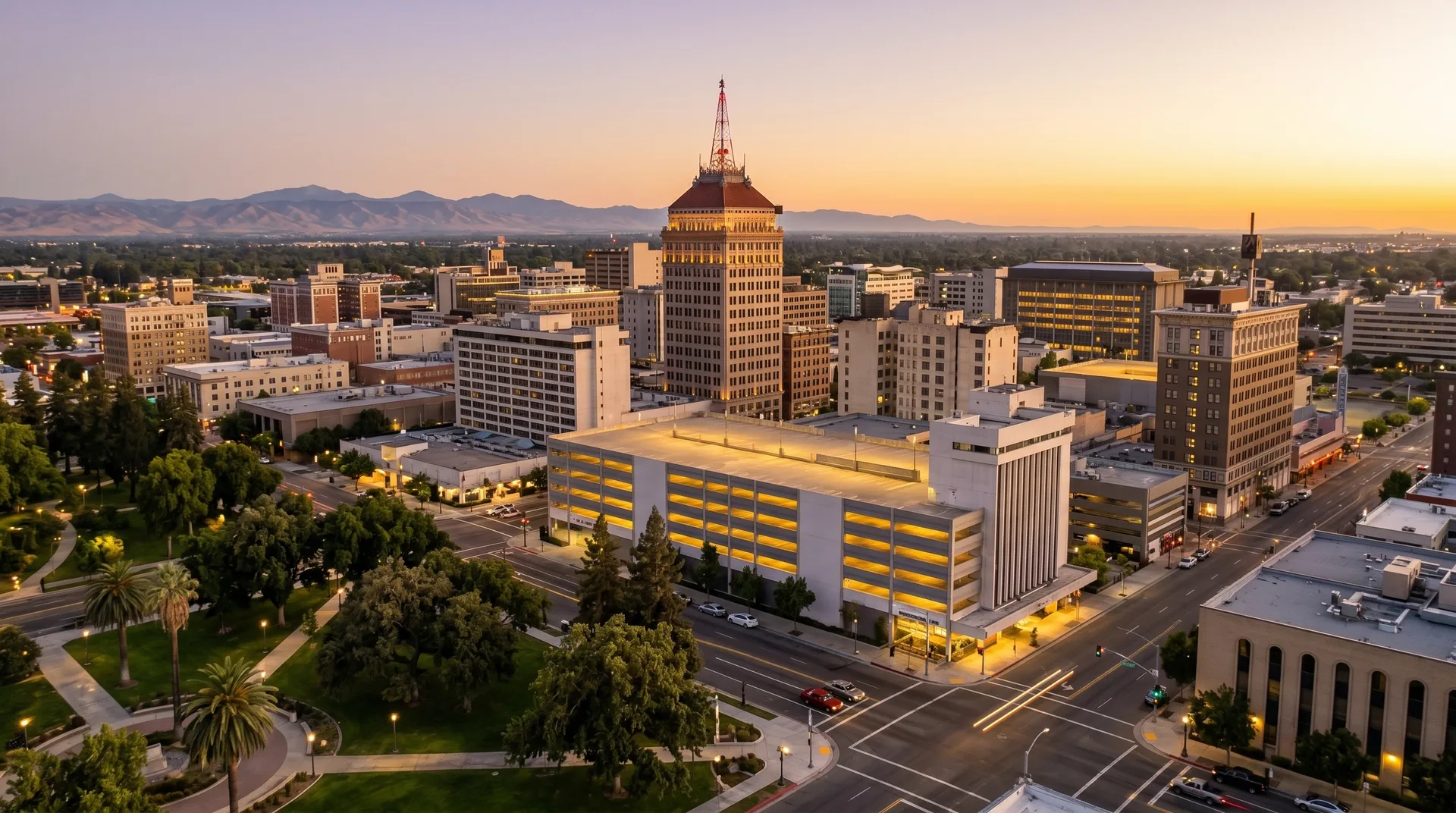
Fresno
Fresno, California occupies a strategic position in the heart of the San Joaquin Valley, serving as the economic and logistical center of one of America's most productive agricultural regions. Located in California's Central Valley, Fresno provides critical access to the vast agricultural output of the surrounding counties, which produce over half of the nation's fruits, vegetables, and nuts. The city's proximity to major West Coast ports and its central California location make it an essential node in the national supply chain.
The region's transportation infrastructure is exceptionally well-developed, with Fresno situated at the intersection of major freight corridors including State Route 99 and State Route 41. The city's industrial parks and food processing facilities are strategically located near these transportation arteries, facilitating efficient movement of agricultural products and manufactured goods. Fresno Yosemite International Airport and the Union Pacific Railroad provide additional multimodal transportation options, ensuring that freight can move seamlessly in and out of the region to serve both domestic and international markets.










