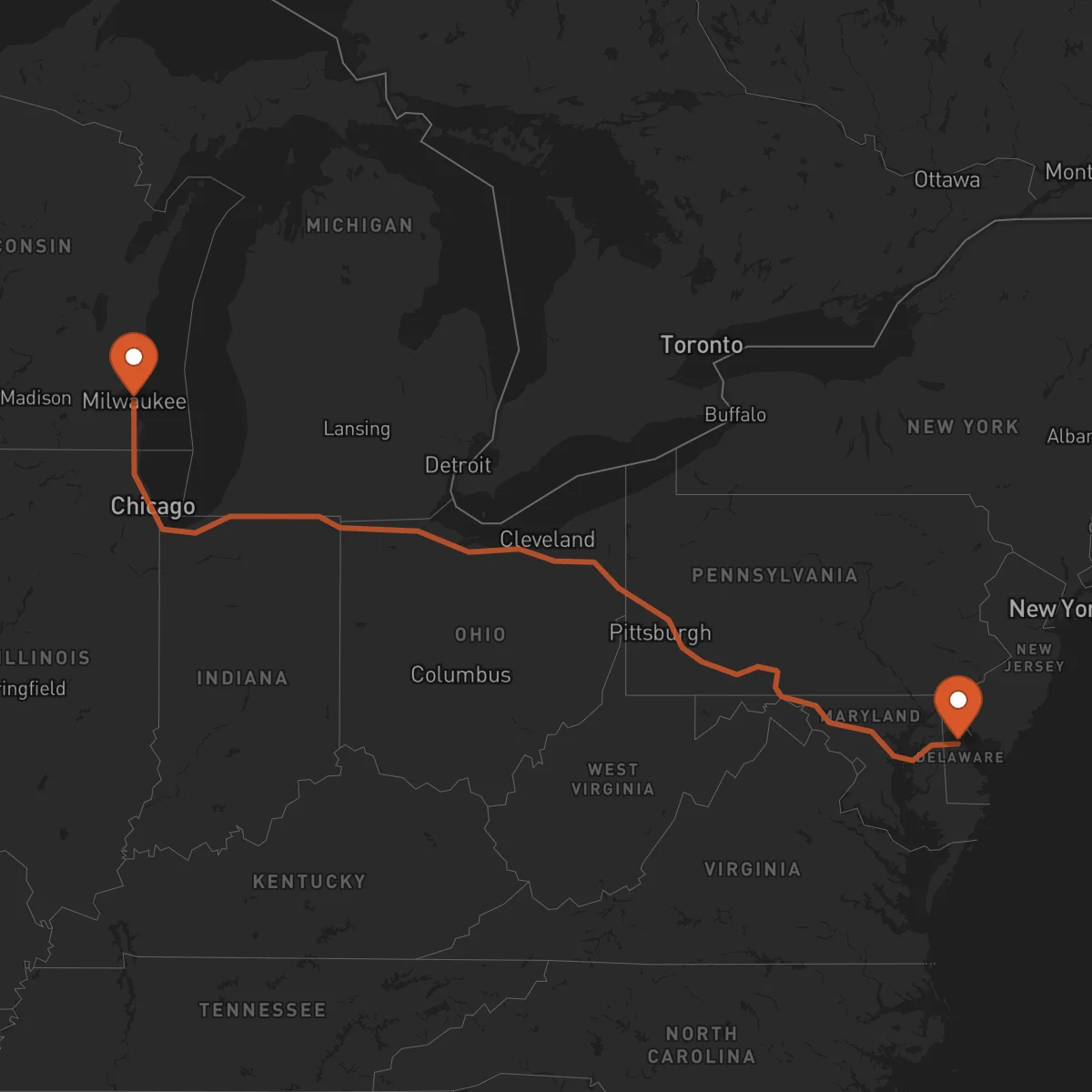
Milwaukee to Dover
Dover → MilwaukeeFTL freight transportation service between Milwaukee and Dover. Reliable logistics solutions for your business.
Route Description
Everything you need to know about the corridor Milwaukee - Dover
The Milwaukee to Dover corridor represents a vital domestic logistics connection spanning 1,123 kilometers across the American Midwest and East Coast. This strategic route links Wisconsin's industrial heartland with Delaware's coastal business hub, traversing diverse economic regions that contribute significantly to North America's manufacturing and distribution networks. The corridor facilitates the movement of goods between two major economic centers, supporting the seamless flow of industrial products, automotive components, and agricultural commodities that drive regional commerce.
The transportation infrastructure along this route includes major interstate highways such as I-90, I-80, and I-95, providing reliable and efficient freight movement. Control Terrestre leverages this robust network to offer dedicated full truckload services that ensure your cargo travels directly from origin to destination without intermediate stops or handling. Our specialized carriers are equipped to handle various freight types, including temperature-sensitive goods and oversized shipments, making this corridor ideal for businesses requiring consistent, high-capacity transportation solutions.
This corridor serves numerous industries including automotive manufacturing, food processing, agricultural equipment, and retail distribution. Companies operating along this route benefit from Control Terrestre's extensive experience in managing complex logistics operations, our commitment to on-time delivery, and our ability to provide real-time tracking and support throughout the journey. Whether you're shipping finished goods from Milwaukee's manufacturing facilities or distributing products to Dover's strategic East Coast markets, our dedicated services ensure your supply chain remains efficient and reliable.
Services for this Route
Available services for the corridor Milwaukee - Dover
 Origin
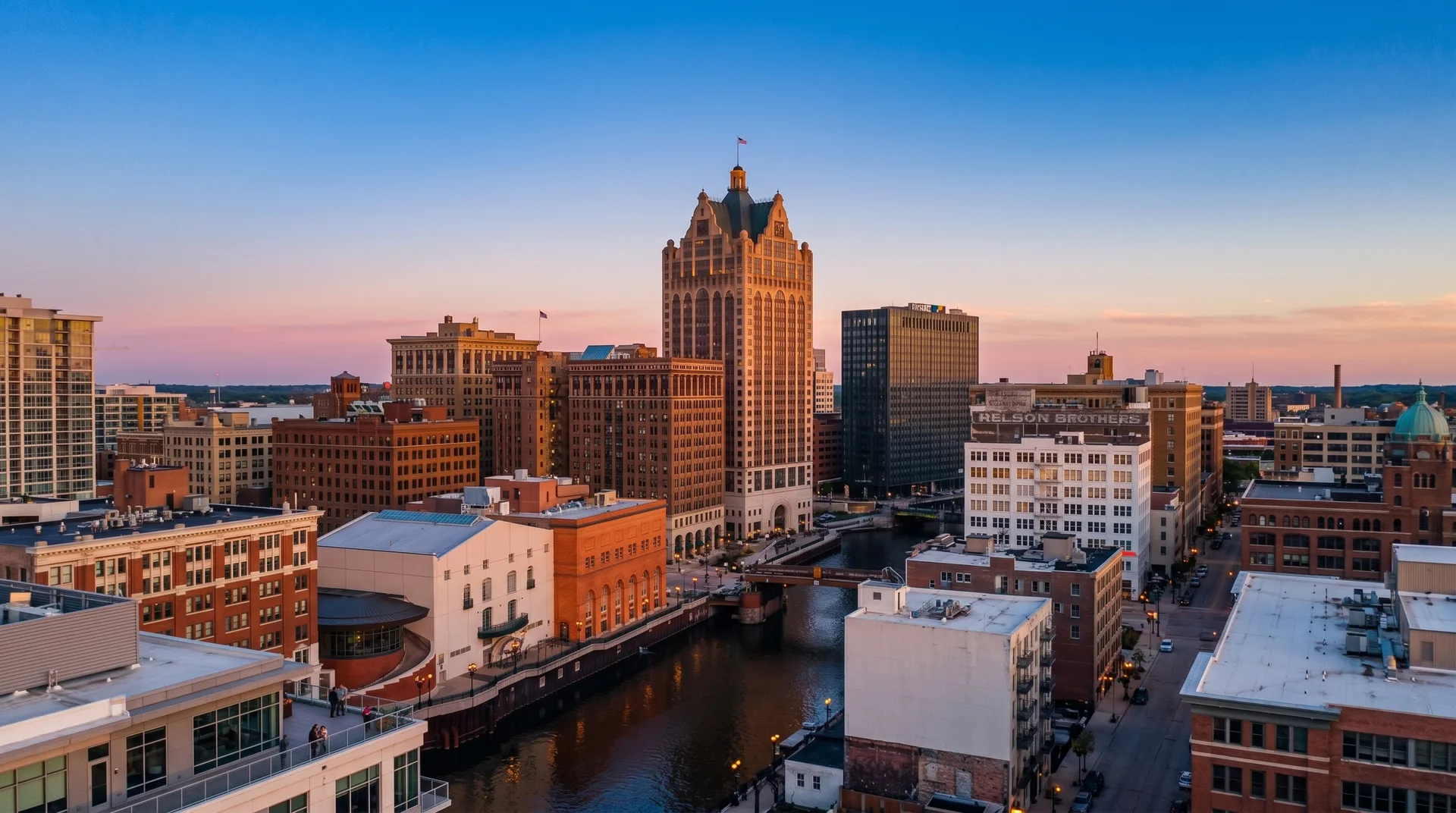
Milwaukee
Milwaukee, Wisconsin serves as a strategic logistics hub in the American Midwest, positioned advantageously for freight distribution across the Great Lakes region and beyond. The city's location provides excellent connectivity to major transportation networks, including interstate highways, rail systems, and the Port of Milwaukee on Lake Michigan. This multimodal accessibility makes Milwaukee an ideal origin point for domestic freight movements, particularly for businesses requiring efficient distribution to both coastal and inland destinations.
The Milwaukee metropolitan area is home to diverse economic sectors, with manufacturing, food processing, and brewing industries forming the backbone of the local economy. Major companies in automotive parts, agricultural equipment, and industrial machinery operate extensive production facilities in the region, generating substantial freight volumes that require reliable transportation solutions. The city's strong manufacturing base, combined with its proximity to raw materials and distribution centers, creates consistent demand for full truckload services connecting to markets across the United States.
 Destination
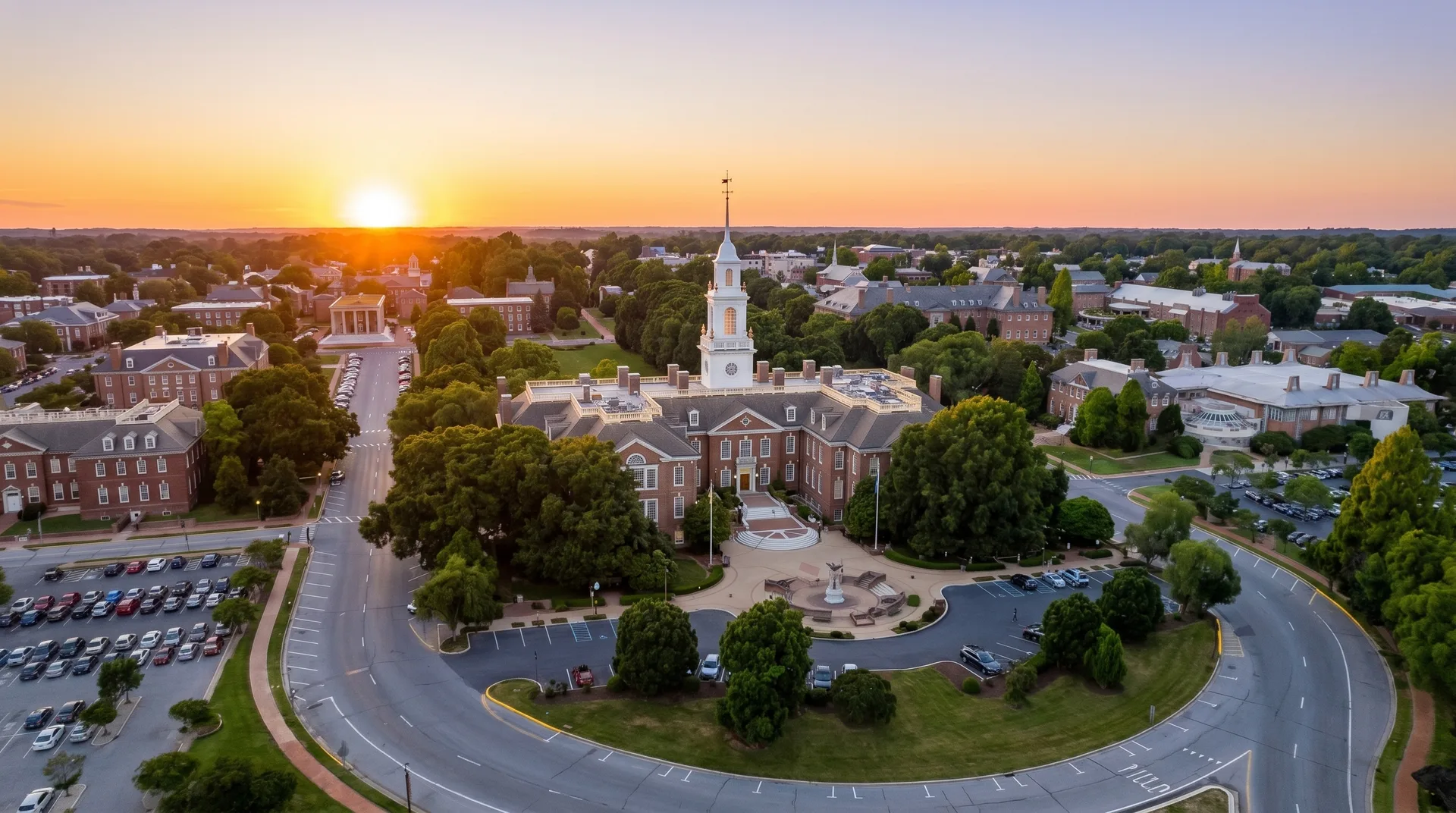
Dover
Dover, Delaware occupies a strategic position on the East Coast, serving as a crucial logistics gateway for businesses accessing Mid-Atlantic and Northeastern markets. The city benefits from its proximity to major transportation corridors, including Interstate 95 and its location within the Delaware Valley, which provides efficient connections to Philadelphia, Baltimore, and Washington D.C. Dover's accessibility to the Port of Wilmington and its position relative to major consumer markets make it an ideal destination for freight distribution operations.
The Dover area supports a diverse economic landscape, with government services, healthcare, and education forming significant sectors. Additionally, the region has seen growth in manufacturing, particularly in aerospace and defense industries, along with agricultural processing and food production. The presence of military installations and government facilities creates specialized logistics needs, while the area's retail and distribution centers require consistent freight movements to support both local and regional supply chains.










