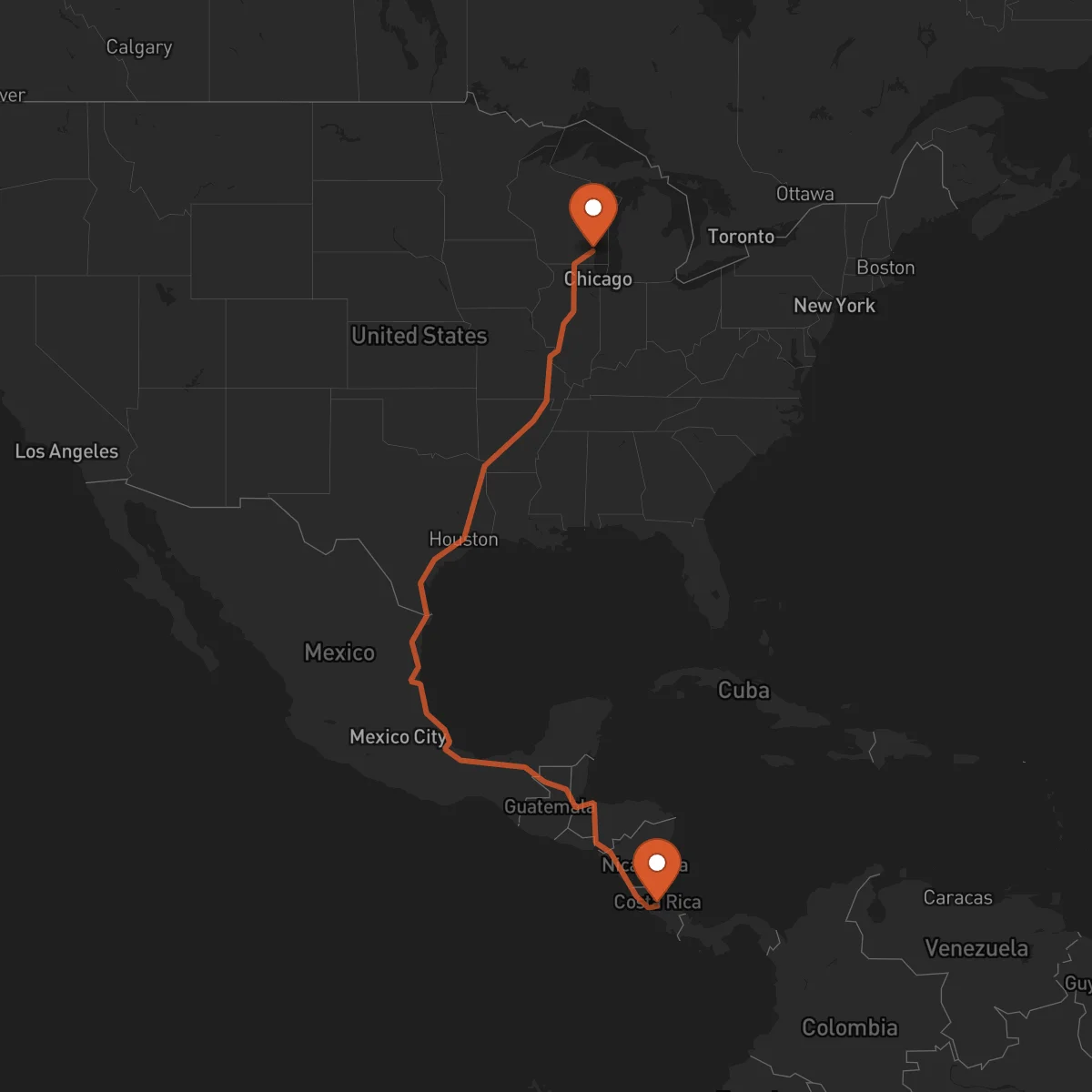
Milwaukee to Alajuela
Alajuela → MilwaukeeFTL freight transportation service between Milwaukee and Alajuela. Reliable logistics solutions for your business.
Route Description
Everything you need to know about the corridor Milwaukee - Alajuela
The Milwaukee to Alajuela corridor is a critical cross-border artery connecting the industrial heartland of the U.S. Midwest with the dynamic economy of Costa Rica's Central Valley. This route is strategically vital for supply chains requiring reliable, full truckload (FTL) movement between these two economic hubs, traversing the complex logistics landscape of the United States, Mexico, and Central America. The corridor supports the robust flow of goods that underpins regional trade agreements and just-in-time manufacturing processes.
Economically, the corridor links Milwaukee's legacy of heavy manufacturing and food production with Alajuela's role as a center for high-tech agriculture, electronics, and medical device manufacturing. Key industries utilizing this route include automotive parts, processed foods and beverages, industrial machinery, pharmaceuticals, and electronics components. The consistent demand from these sectors necessitates a transportation solution that prioritizes security, speed, and regulatory compliance across multiple jurisdictions.
The primary transportation infrastructure relies on a network of major U.S. interstates, starting with I-94 from Milwaukee south through Illinois, Indiana, and Tennessee. The route then connects to key Mexican federal highways like Mexico 57 and 150, continuing through Mexico City and south towards the Guatemalan border. From there, it utilizes Central American highway networks, such as the CA-1 in Guatemala and the Pan-American Highway segments through Honduras, Nicaragua, and into Costa Rica, terminating in Alajuela. Critical border crossings, including those at the U.S.-Mexico border (e.g., Laredo/Colombia) and the Mexico-Guatemala border (e.g., Ciudad Hidalgo/Tecún Umán), require meticulous customs documentation and adherence to each nation's import/export regulations.
Control Terrestre facilitates seamless operations on this corridor through our strategic alliance of certified carriers. Our providers hold essential credentials like C-TPAT, FAST, and BASC, which streamline customs procedures and enhance security at border crossings. We manage the entire FTL journey—from a dedicated truck in Milwaukee to door-to-door delivery in Alajuela—handling all cross-border complexities, including customs brokerage coordination and compliance with diverse regulations like hazardous materials or oversized cargo rules. Our focus is on providing a singular, human point of contact to ensure your full truckload moves efficiently across this multinational corridor.
Services for this Route
Available services for the corridor Milwaukee - Alajuela
 Origin
Milwaukee
Milwaukee, Wisconsin, is a premier strategic logistics origin due to its central location in the U.S. Midwest and direct access to the Great Lakes-St. Lawrence Seaway system. The city is a major industrial and manufacturing hub, historically strong in machinery, food processing (notably brewing and cheese), automotive components, and healthcare manufacturing. Its robust transportation infrastructure includes the Port of Milwaukee for Great Lakes shipping, extensive Class I railroad connections (Union Pacific, Canadian Pacific), and a web of major highways led by I-94, I-41, and I-43, providing direct north-south and east-west corridors to national markets. This multimodal capacity makes it an ideal launch point for long-haul, cross-border FTL freight destined for Latin America.
 Destination
Alajuela
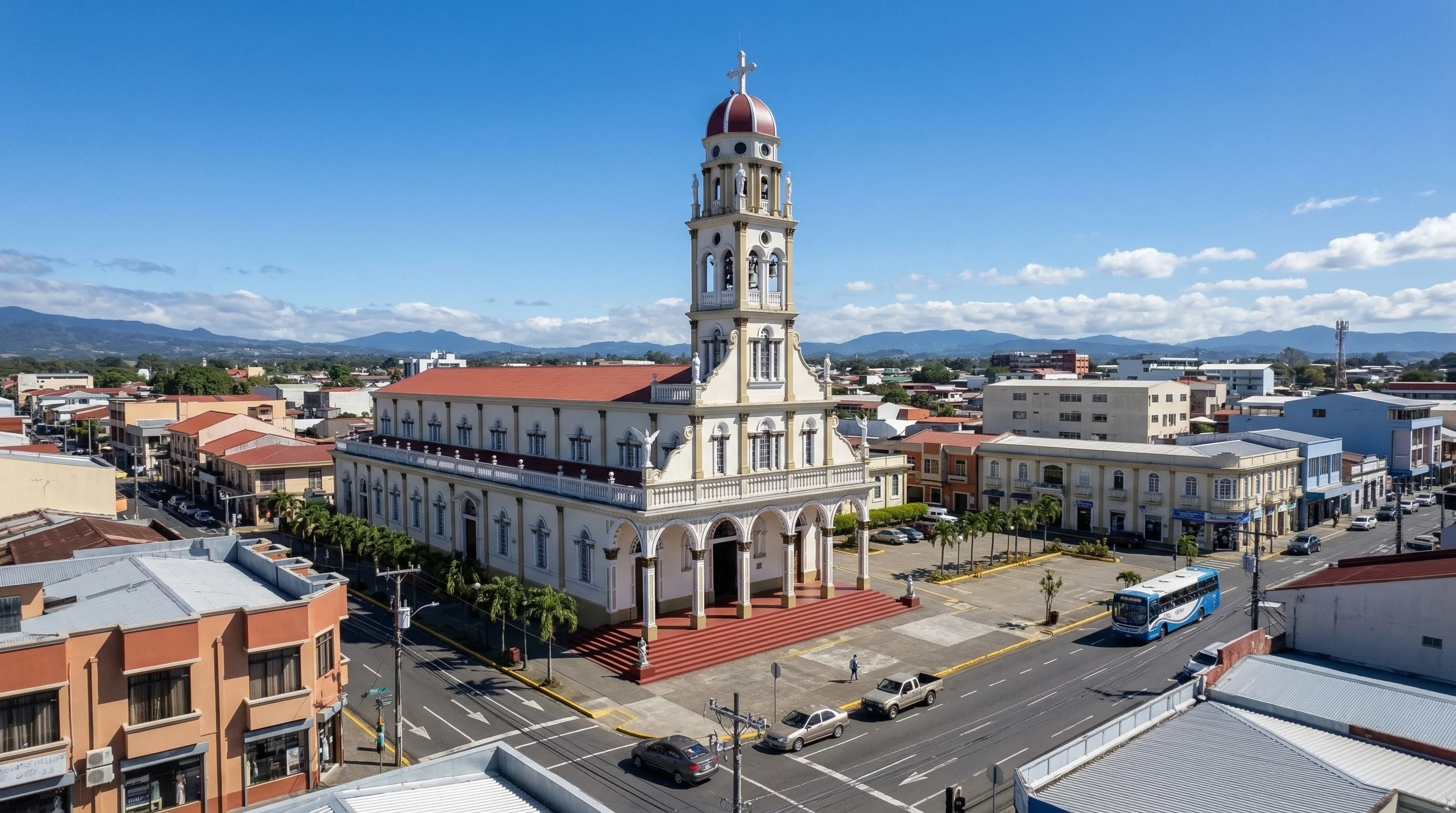
Alajuela, Costa Rica, is a strategically vital logistics destination situated in the Central Valley, just minutes from the capital, San José, and the country's primary international gateway, Juan Santamaría Airport. It serves as a major industrial and agricultural center for Costa Rica, hosting key sectors such as high-tech medical device manufacturing, electronics assembly, coffee and fruit processing, and pharmaceuticals. The province benefits from excellent road infrastructure, including the General Cañas Highway (Route 1) and the recently expanded Route 27, which provide efficient connections to Pacific ports like Limón (via Route 32) for maritime export. This well-developed road network ensures smooth final-mile and cross-country distribution from the point of entry.










