
Miami to Tegucigalpa
Tegucigalpa → MiamiFTL freight transportation service between Miami and Tegucigalpa. Reliable logistics solutions for your business.
Route Description
Everything you need to know about the corridor Miami - Tegucigalpa
The Miami-Tegucigalpa corridor represents a vital logistics link between the United States and Central America, spanning approximately 1,490 kilometers through key commercial hubs. This cross-border route connects Florida's major port and logistics center with Honduras' capital, facilitating the movement of goods between North and Central American markets. The corridor is particularly strategic for companies looking to establish efficient supply chains between the United States and the Northern Triangle countries.
This route serves a diverse range of industries, with manufacturing, automotive, electronics, and consumer goods being the primary sectors utilizing this transportation corridor. Miami's position as a gateway for Latin American trade makes it an ideal origin point, while Tegucigalpa's growing industrial sector creates consistent demand for imports and exports. The corridor also supports maquiladora operations and just-in-time inventory management systems that require reliable transportation solutions.
The transportation infrastructure along this route includes major highways such as I-95, I-10, and CA-1, connecting through key border crossings in South Texas. Control Terrestre's expertise in cross-border operations ensures seamless transit through customs procedures and regulatory compliance. Our network of certified carriers and strategic partnerships enable us to provide dedicated full truckload services that maintain cargo integrity and delivery schedules throughout this international journey.
Services for this Route
Available services for the corridor Miami - Tegucigalpa
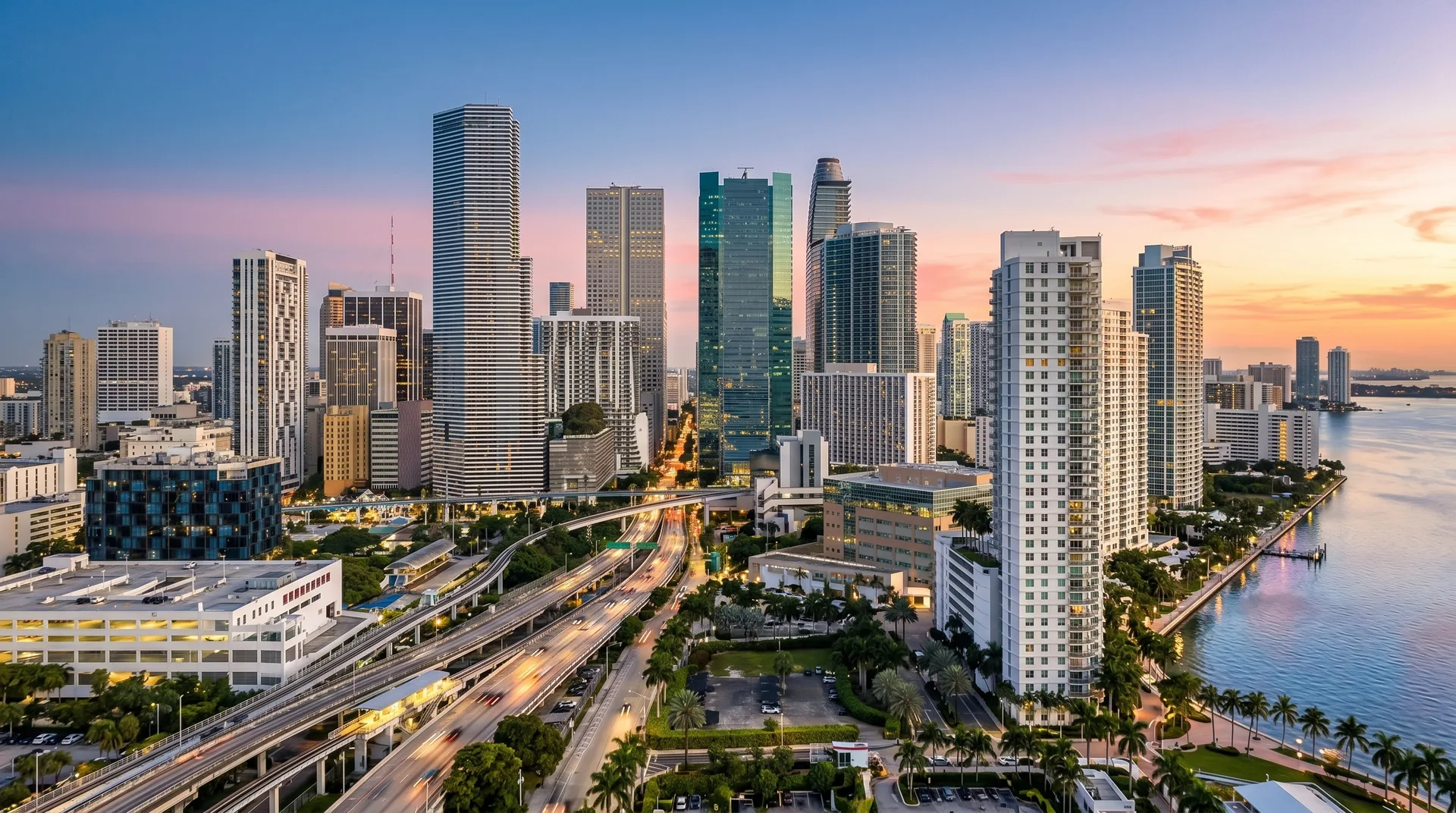 Origin
Miami
Miami serves as a strategic logistics hub for international trade, particularly with Latin America and the Caribbean. Located in South Florida, Miami offers unparalleled access to major seaports, international airports, and an extensive highway network. The city's logistics infrastructure includes the Port of Miami, Miami International Airport, and direct connections to interstate highways I-95 and I-75. Miami's economy is driven by international trade, finance, tourism, and manufacturing sectors, making it an ideal origin point for cross-border freight movements.
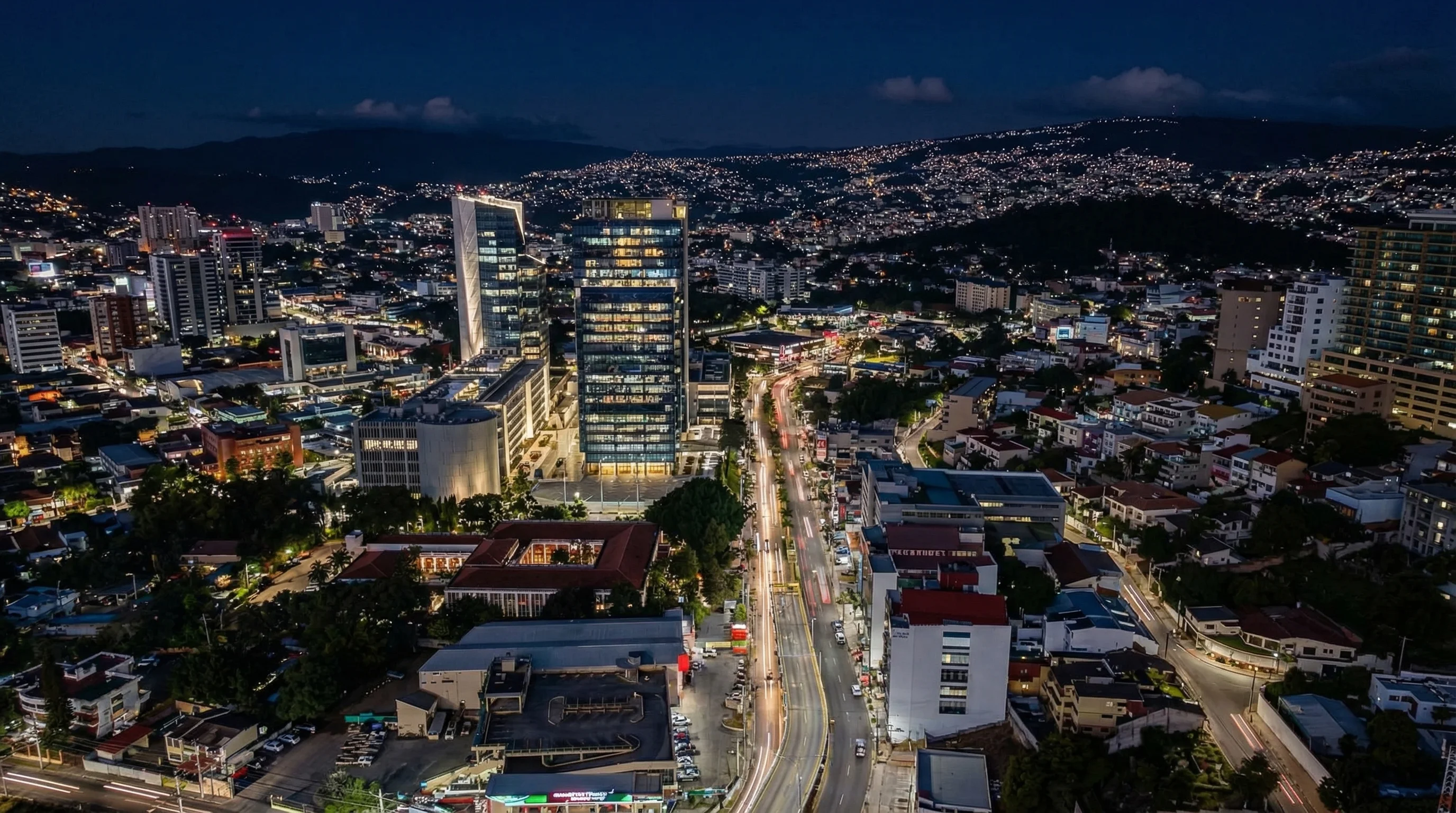 Destination
Tegucigalpa
Tegucigalpa, the capital and largest city of Honduras, represents a strategic logistics center in Central America. Situated in the Francisco Morazán department, the city serves as the economic and industrial heart of the country. Tegucigalpa's economy encompasses manufacturing, textiles, food processing, and assembly operations, with growing demand for imported goods and materials. The city's transportation infrastructure includes connections to major highways linking to San Pedro Sula and other regional centers, facilitating distribution throughout Honduras and neighboring countries.










