Miami to Tampico
Tampico → MiamiFTL freight transportation service between Miami and Tampico. Reliable logistics solutions for your business.
Route Description
Everything you need to know about the corridor Miami - Tampico
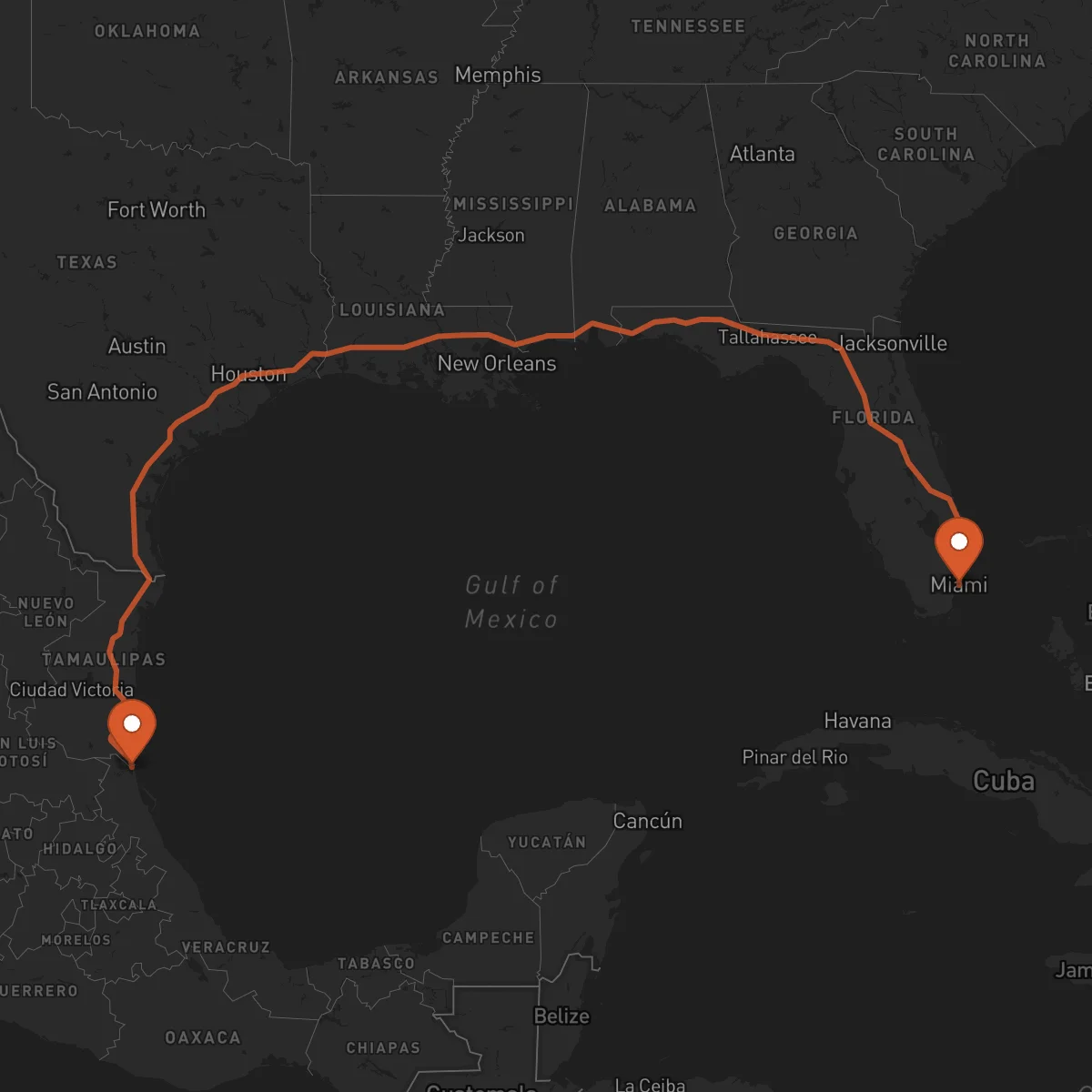
The Miami-Tampico corridor represents a vital logistics connection between the southeastern United States and northeastern Mexico. This 1836 km route facilitates the movement of goods between one of Florida's most important commercial hubs and a key port city on the Gulf of Mexico. The corridor is essential for companies looking to optimize their supply chain between North America's two major industrial regions.
The economic significance of this route extends beyond its geographic distance. Miami serves as a gateway for international trade, while Tampico functions as a crucial industrial and port center in Mexico. This corridor connects diverse economic ecosystems, enabling the efficient flow of products between manufacturing centers, distribution hubs, and international markets.
Major industries utilizing this corridor include automotive components, electronics, consumer goods, agricultural products, and industrial machinery. The route particularly benefits companies engaged in just-in-time manufacturing and those requiring reliable cross-border transportation solutions. Both regions feature advanced manufacturing capabilities and strong distribution networks that depend on efficient freight movement.
The primary transportation infrastructure includes major highways such as I-75, I-10, and Mexican Federal Highways 180 and 180D. The route crosses at strategic border points with established customs facilities. Control Terrestre facilitates seamless operations on this corridor through our network of certified carriers, expertise in cross-border documentation, and commitment to timely deliveries. Our experience ensures that shipments move efficiently through all stages of the journey, from origin to final destination.
Services for this Route
Available services for the corridor Miami - Tampico
 Origin
Miami
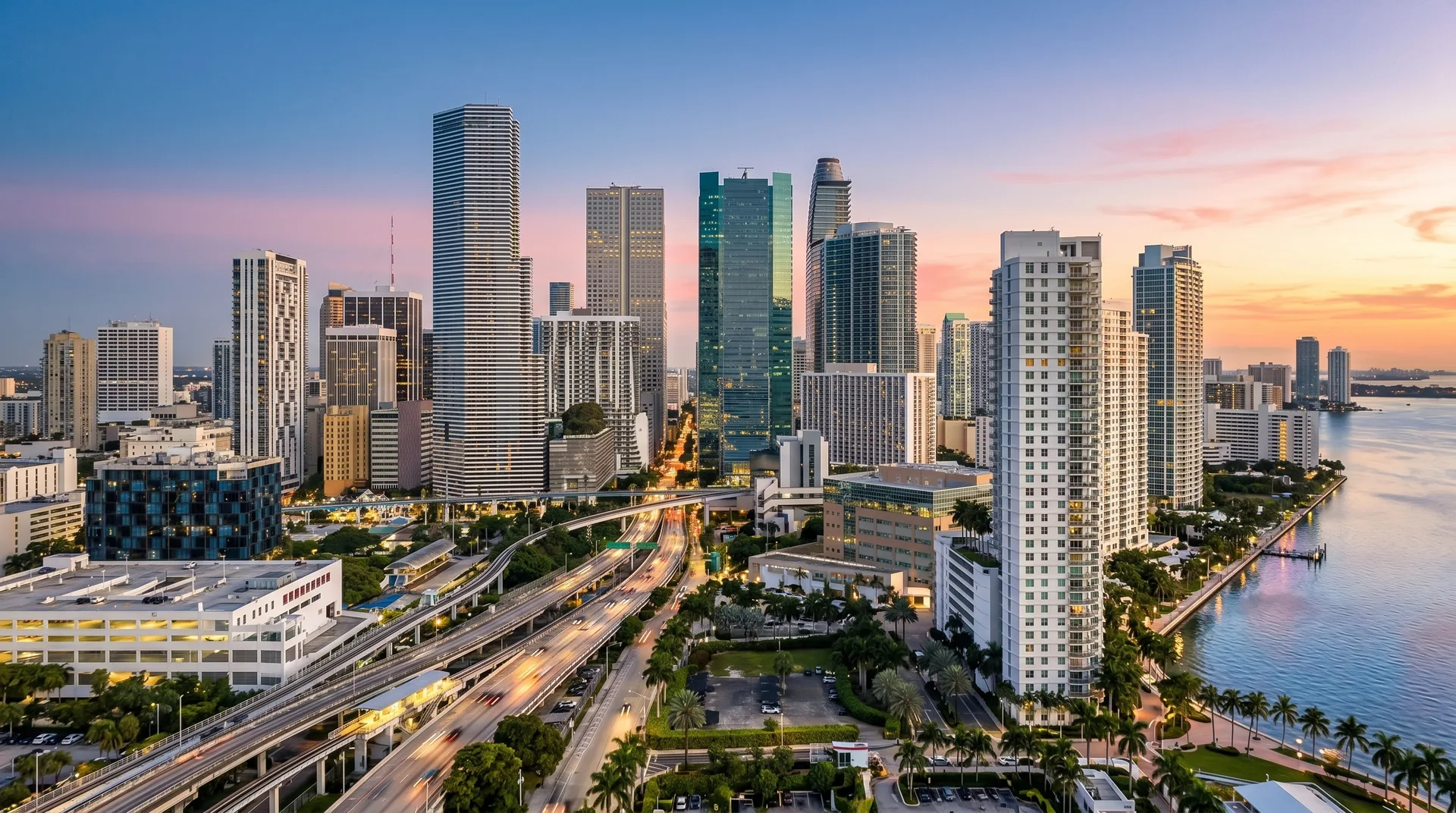
Miami serves as a strategic logistics hub for freight transportation to Mexico and beyond. Located at the southeastern tip of Florida, Miami provides access to major ports, international airports, and an extensive highway network. The city's position makes it ideal for companies distributing goods throughout the southeastern United States and to Latin American markets.
The region's economy is diverse, with strong sectors in international trade, manufacturing, and distribution. Miami is home to numerous warehouses, distribution centers, and logistics facilities that support both domestic and international operations. The Port of Miami and Miami International Airport provide multimodal transportation options for various cargo types.
Transportation infrastructure in Miami includes direct access to I-95, I-75, and the Florida Turnpike, connecting to the broader interstate highway system. The area features modern warehousing facilities, advanced logistics technology, and a skilled workforce familiar with cross-border operations. This infrastructure makes Miami an excellent origin point for freight shipments to Mexico and other destinations.
 Destination
Tampico
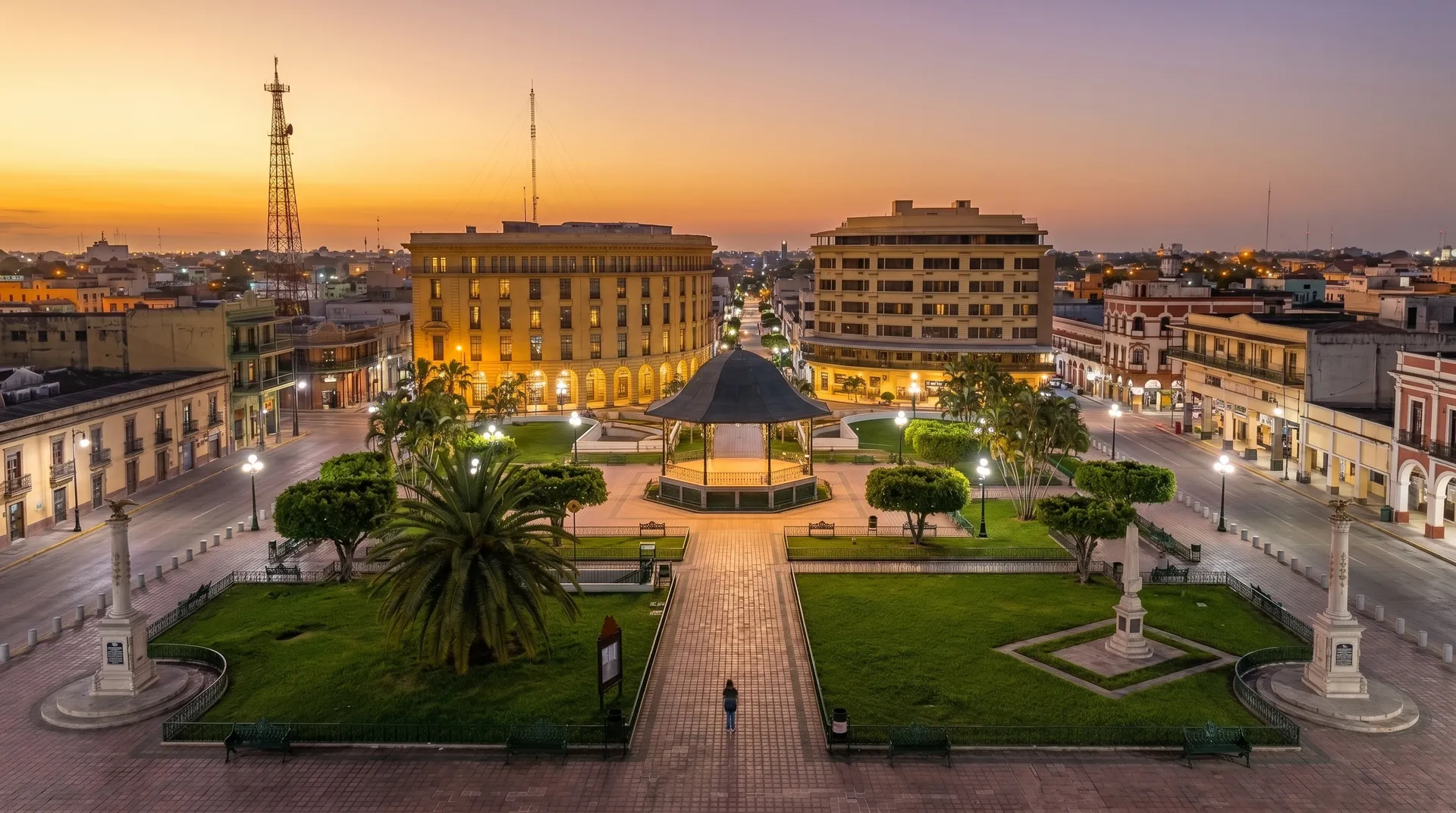
Tampico is a strategic logistics center on Mexico's Gulf Coast, offering excellent connectivity to major industrial regions. Located in Tamaulipas, Tampico provides access to the Port of Tampico, one of Mexico's key maritime facilities, and serves as a gateway to the industrial heartland of northeastern Mexico. Its location makes it ideal for companies serving both coastal and inland markets.
The local economy is anchored by the petrochemical industry, manufacturing, and agriculture. Tampico and the surrounding region host numerous industrial parks, manufacturing facilities, and distribution centers. The area's economic activity creates consistent demand for freight transportation services connecting to both U.S. and other Mexican markets.
Transportation infrastructure in Tampico includes the Port of Tampico for maritime cargo, Federal Highways 180 and 180D for road transportation, and connections to the national rail network. The city's logistics ecosystem features modern warehousing facilities, customs clearance services, and established freight forwarding networks. This infrastructure supports efficient distribution throughout northeastern Mexico and beyond.










