
Miami to Penonomé
Penonomé → MiamiFTL freight transportation service between Miami and Penonomé. Reliable logistics solutions for your business.
Route Description
Everything you need to know about the corridor Miami - Penonomé
The Miami-Penonomé corridor represents a vital logistics connection between the United States and Panama, spanning approximately 1,914 kilometers through key commercial hubs. This cross-border route facilitates the movement of goods between North America's largest port in the Southeast and Panama's growing industrial center. The corridor traverses diverse terrain and crosses multiple international borders, making it a complex yet essential trade route for companies operating in both regions.
The economic significance of this corridor extends beyond simple transportation, connecting Miami's international trade ecosystem with Panama's strategic position as a logistics hub for Central America. Major industries utilizing this route include electronics, pharmaceuticals, automotive parts, and consumer goods, with Miami serving as a primary entry point for goods destined for Panama and beyond. The corridor benefits from advanced transportation infrastructure, including major highways such as I-95, I-10, and the Pan-American Highway, which provide reliable connections throughout the journey.
Control Terrestre specializes in managing the complexities of this cross-border operation, offering full truckload (FTL) services that ensure dedicated capacity and direct delivery from origin to destination. Our expertise in customs clearance, border documentation, and regulatory compliance streamlines the shipping process, reducing transit times and minimizing potential delays. With certified carriers and strategic partnerships throughout the corridor, we provide seamless transportation solutions that connect Miami's dynamic port facilities with Penonomé's growing industrial sector, supporting the expanding trade relationship between the United States and Panama.
Services for this Route
Available services for the corridor Miami - Penonomé
 Origin
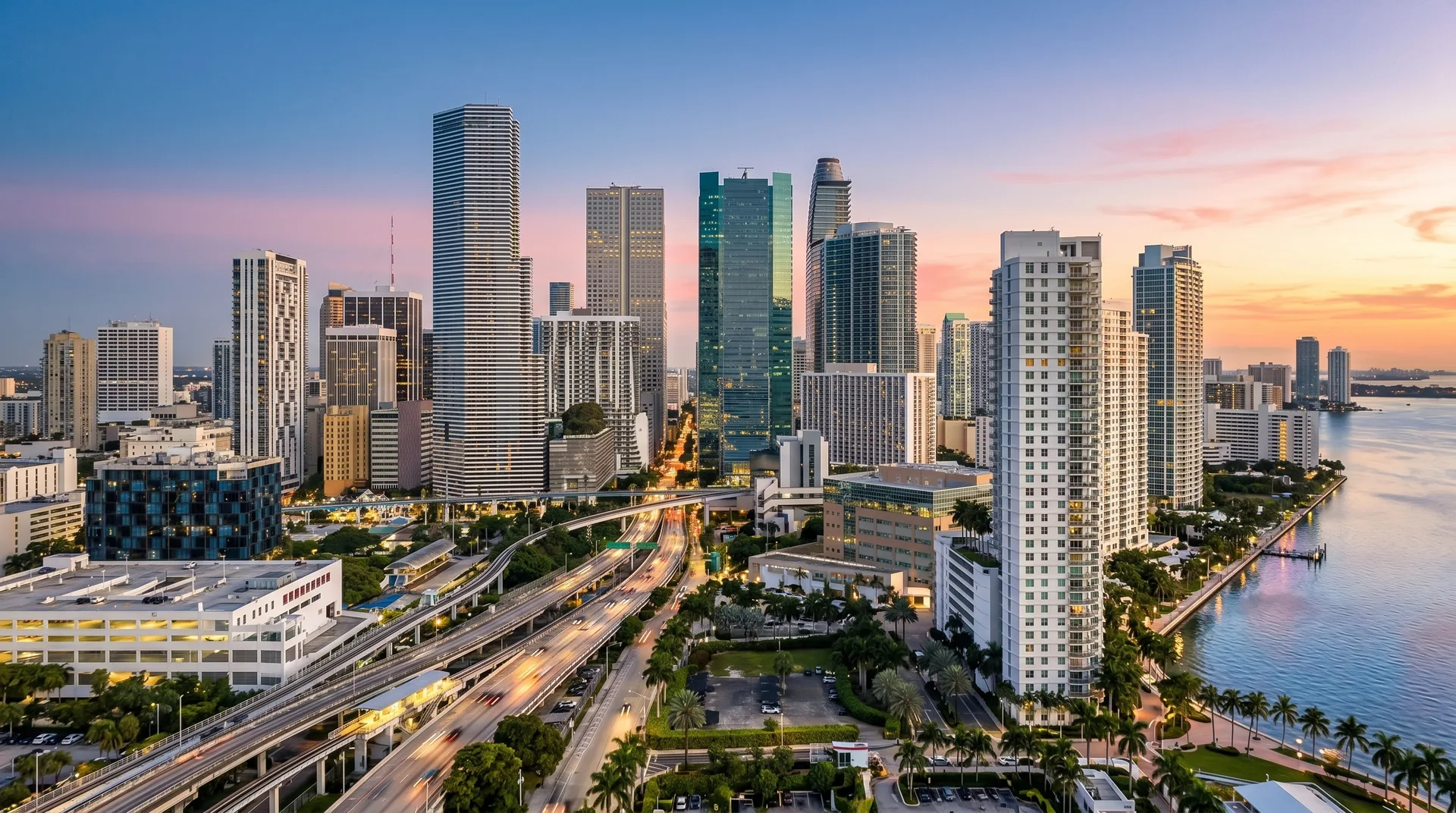
Miami
Miami serves as a strategic logistics powerhouse in the southeastern United States, boasting one of the busiest ports in the country and proximity to major international airports. The city's location provides immediate access to Latin American markets and acts as a gateway for goods entering the U.S. from Central and South America. Miami's robust infrastructure includes PortMiami, one of the largest container ports in the nation, extensive highway networks connecting to the rest of the country, and Miami International Airport, which handles significant cargo volumes annually.
The region's economy is driven by international trade, tourism, finance, and technology sectors, creating substantial freight transportation demand. Key industries include pharmaceuticals, electronics, fashion and apparel, and perishable goods, all requiring reliable transportation solutions. Miami's Free Trade Zone and numerous warehousing facilities further enhance its position as a critical logistics hub, making it an ideal origin point for cross-border shipments to Panama and throughout Central America.
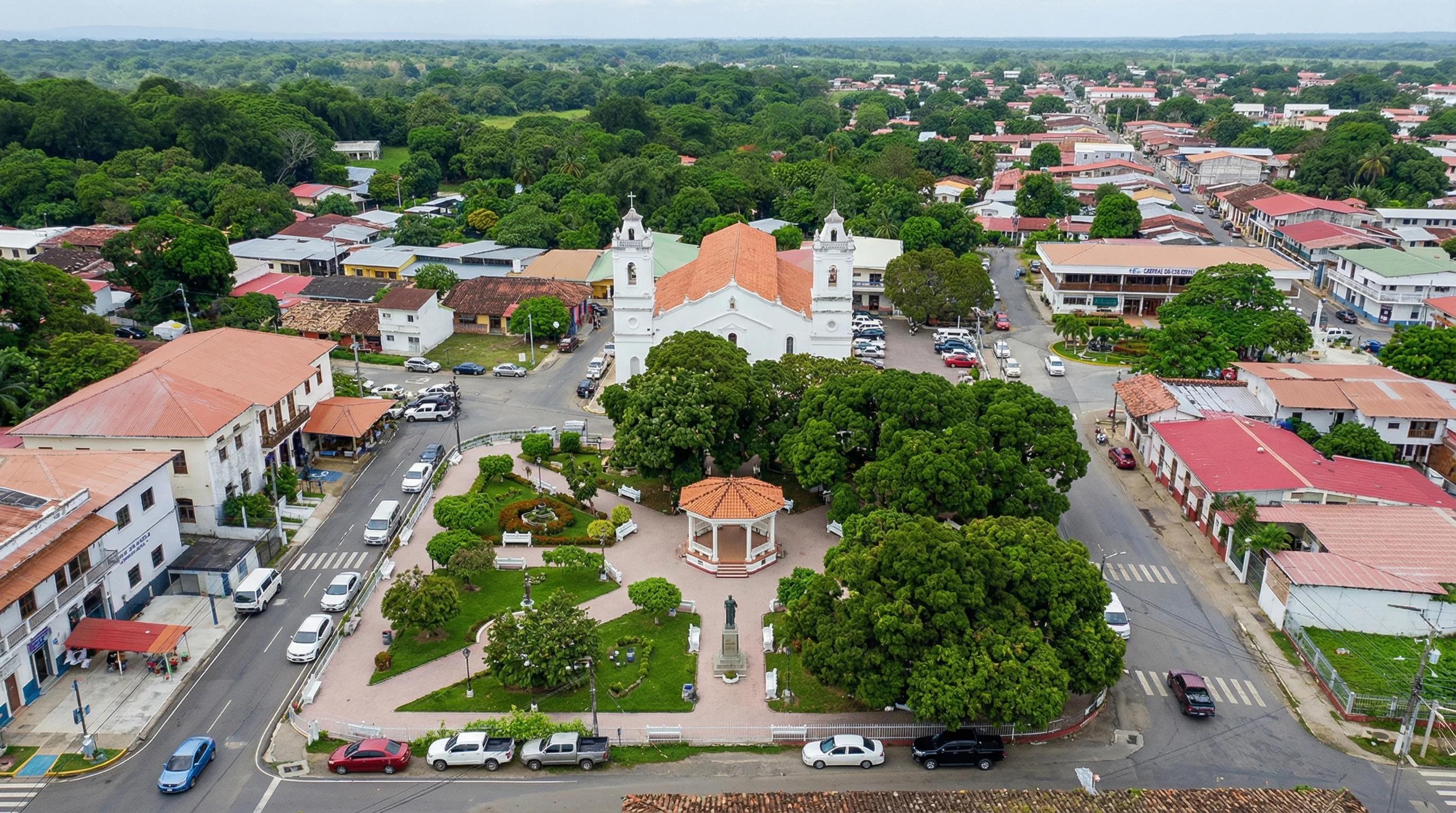 Destination
Penonomé, located in Panama's Coclé province, represents a growing industrial and commercial center in the country's interior. The city's strategic location provides access to both Pacific and Caribbean trade routes, making it an important distribution point for goods throughout Panama and neighboring Central American countries. Penonomé benefits from Panama's well-developed transportation infrastructure, including the Pan-American Highway, which connects the city to Panama City and other major commercial centers.
The region's economy encompasses agriculture, manufacturing, and light industry, with increasing investment in logistics and distribution facilities. Penonomé's proximity to Panama's major ports and its position within the country's industrial development corridors make it an attractive destination for companies seeking to establish distribution networks in Central America. The city's growing infrastructure includes modern warehousing facilities, industrial parks, and improved road connections, supporting the increasing volume of cross-border freight traffic from the United States.










