
Miami to Managua
Managua → MiamiFTL freight transportation service between Miami and Managua. Reliable logistics solutions for your business.
Route Description
Everything you need to know about the corridor Miami - Managua
The logistics corridor between Miami and Managua represents a vital trade route connecting the United States with Central America. This cross-border corridor spans approximately 1,644 kilometers and facilitates the movement of goods between North America's largest economic hub and Nicaragua's capital. The route traverses diverse terrain, crossing multiple borders and requiring specialized expertise in customs procedures and regulatory compliance.
The economic relationship between Florida and Nicaragua is significant, with trade encompassing electronics, textiles, machinery, and agricultural products. This corridor serves as a critical link for companies engaged in nearshoring operations and those seeking efficient access to Central American markets. The route supports various industries including manufacturing, retail, and distribution, enabling businesses to maintain competitive supply chains across the region.
Key transportation infrastructure includes major highways such as I-95, I-10, and connecting routes through Mexico and Central America. The corridor involves strategic border crossings where C-TPAT and FAST certifications become essential for expedited processing. Control Terrestre's expertise in managing these complex logistics operations ensures seamless freight movement, with our certified carriers providing reliable full truckload services that maintain cargo integrity throughout the journey from origin to destination.
Services for this Route
Available services for the corridor Miami - Managua
 Origin
Miami
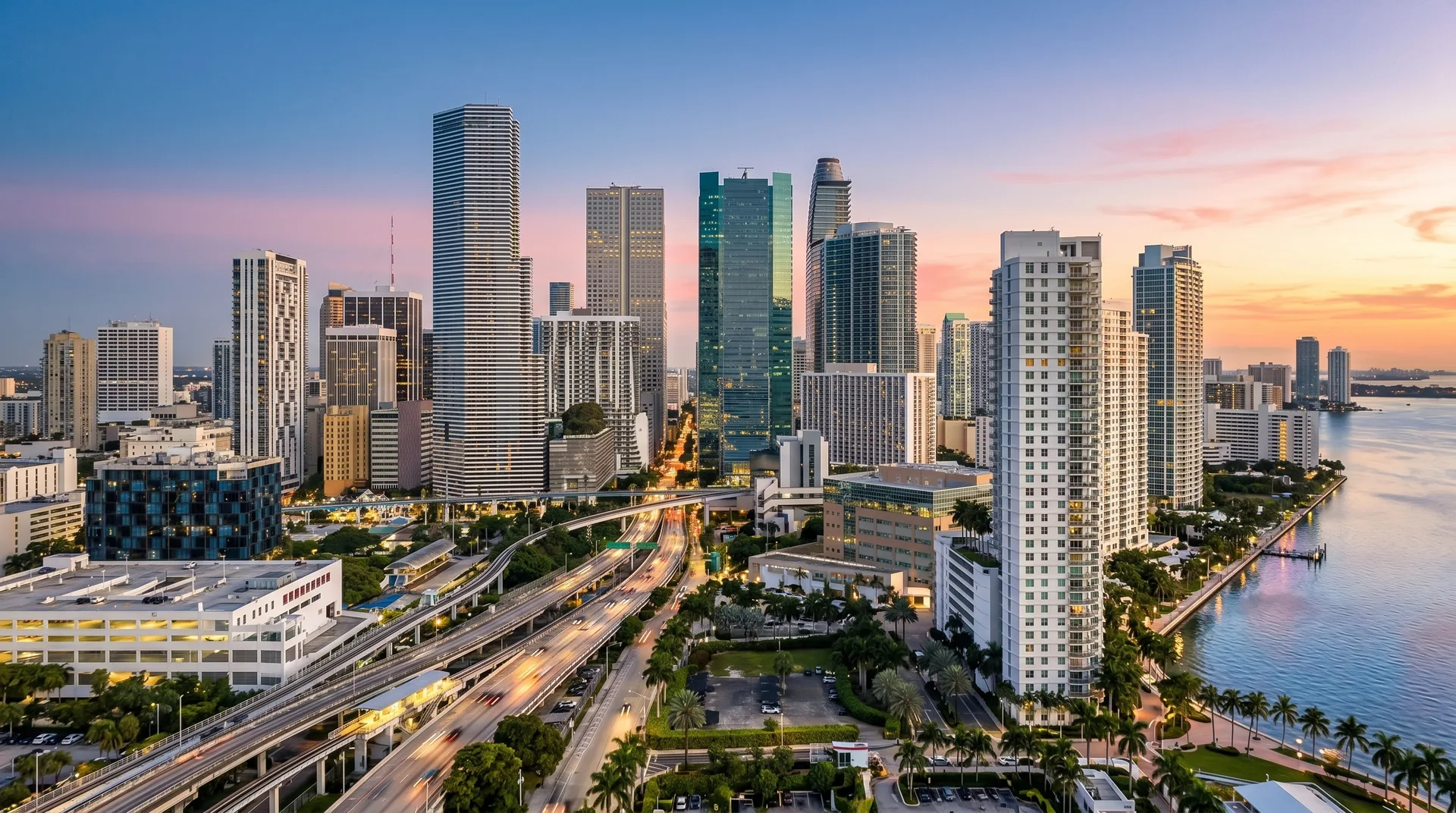
Miami serves as a strategic logistics gateway to Latin America and the Caribbean, offering unparalleled connectivity through its international airport, seaport, and extensive highway network. The city's location provides immediate access to I-95 and I-75, facilitating efficient distribution throughout the southeastern United States. Miami's diverse economy spans international trade, tourism, healthcare, and technology sectors, making it a natural origin point for cross-border freight operations.
The Port of Miami and Miami International Airport rank among the busiest in the nation for international cargo, handling millions of tons annually. The region's robust infrastructure includes multiple intermodal facilities, warehousing centers, and specialized logistics zones designed to support high-volume freight movement. This comprehensive transportation ecosystem enables Control Terrestre to coordinate seamless pickup and initial transport for shipments destined for Central America.
 Destination
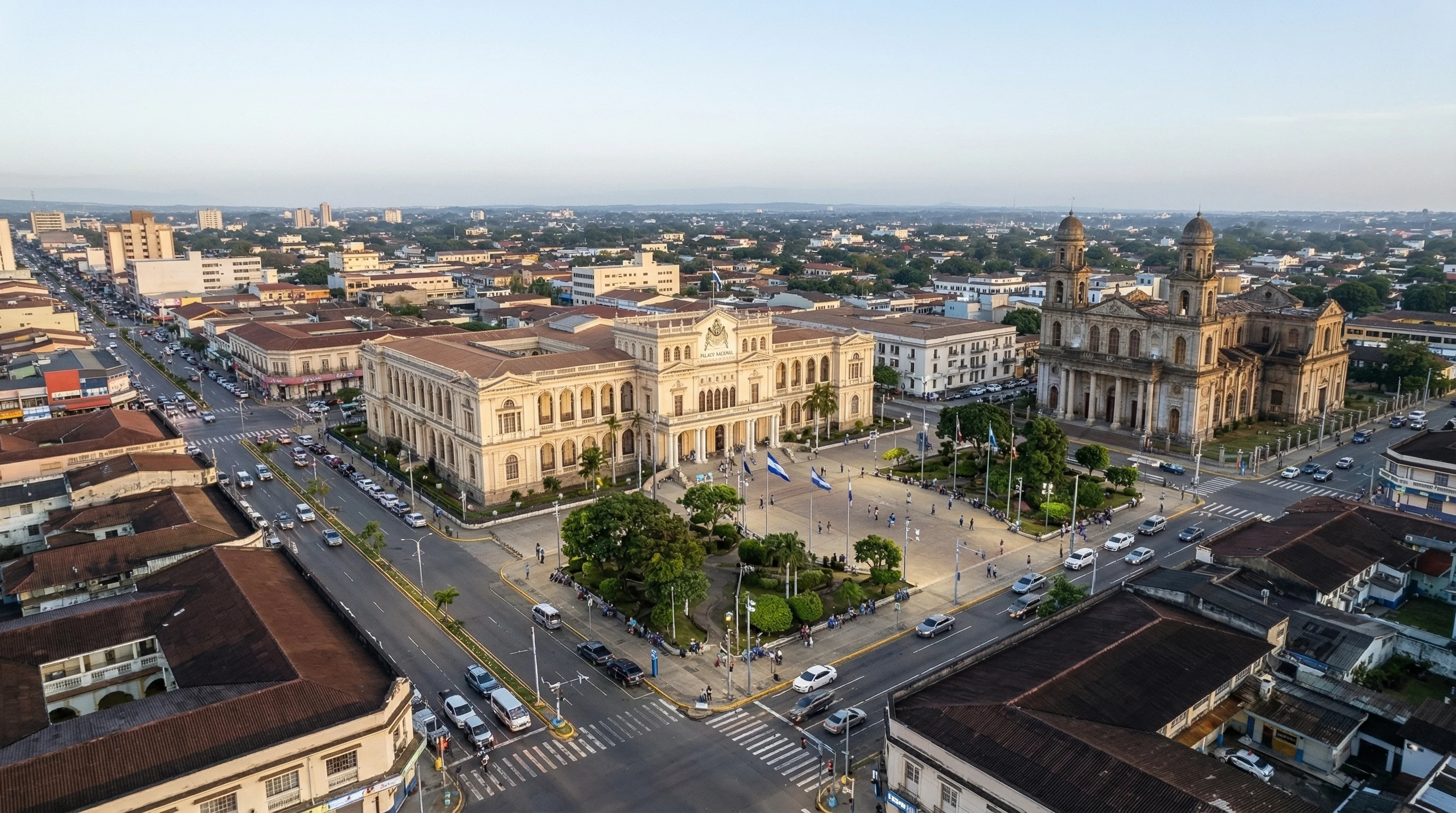
Managua, as Nicaragua's capital and largest city, serves as the country's primary commercial and industrial center. The city's strategic location provides access to the Pan-American Highway and connects to regional trade routes throughout Central America. Managua's economy encompasses manufacturing, construction, retail, and services, with growing sectors in textiles, agriculture processing, and light industry driving freight demand.
The city's transportation infrastructure includes Augusto C. Sandino International Airport and road connections to major ports like Corinto. While road conditions vary throughout Nicaragua, the main routes from the Honduran border to Managua are generally reliable for freight transport. Control Terrestre's local expertise ensures efficient last-mile delivery within the metropolitan area and surrounding regions, navigating the specific requirements for successful freight operations in Nicaragua.










