
Miami to Colón
Colón → MiamiFTL freight transportation service between Miami and Colón. Reliable logistics solutions for your business.
Route Description
Everything you need to know about the corridor Miami - Colón
The Miami-Colón corridor represents a vital logistics connection between the United States and Panama, spanning approximately 1,824 kilometers through the Caribbean and Central America. This strategic route facilitates the movement of goods between North America's major commercial hub and Panama's key Atlantic port, creating essential trade flows for multiple industries.
The corridor traverses diverse terrain and crosses multiple international borders, requiring expert coordination and specialized knowledge of customs procedures. Control Terrestre's extensive experience in cross-border operations ensures seamless transit through this complex route, managing all regulatory requirements and documentation for efficient cargo movement.
This route serves primarily the automotive, electronics, retail, and manufacturing sectors, with significant volumes of consumer goods, industrial equipment, and raw materials moving in both directions. The corridor's importance has grown with increasing trade between the United States and Panama, particularly through the Panama Canal's Atlantic entrance at Colón.
Key transportation infrastructure includes major highways such as I-95, I-10, and I-75 in the United States, transitioning to Mexico's Federal Highway 180 and continuing through Central America's interconnected road network. Control Terrestre's strategic partnerships with certified carriers along the entire route ensure reliable service and compliance with all cross-border requirements, including C-TPAT and other security certifications essential for this international corridor.
Services for this Route
Available services for the corridor Miami - Colón
 Origin
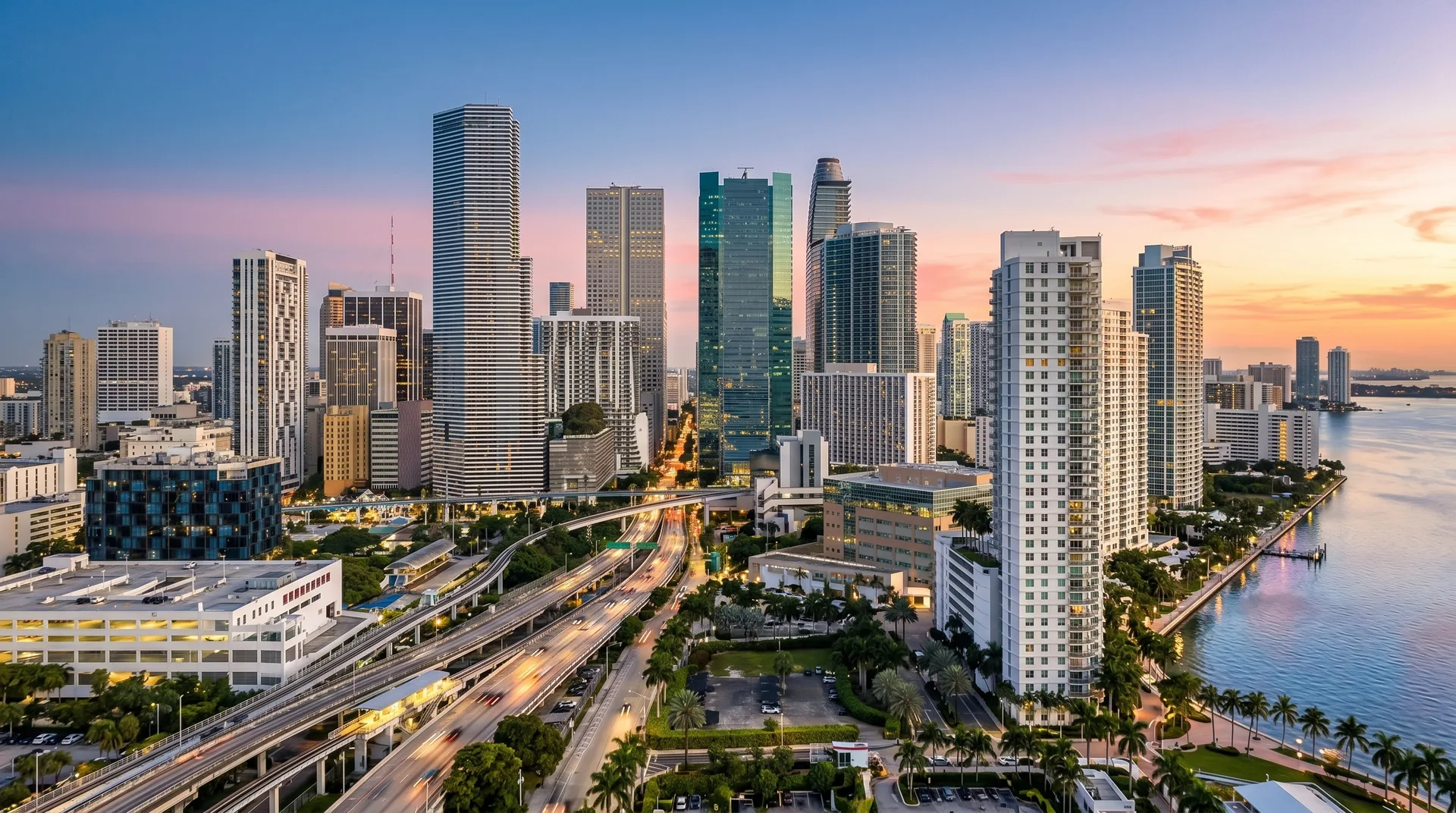
Miami
Miami serves as a critical logistics hub for international trade, strategically positioned at the southeastern tip of the United States. The city's location provides immediate access to major ports, including the Port of Miami, one of the busiest container ports in the country, and Miami International Airport, a leading air cargo facility. Miami's robust infrastructure includes extensive highway connections via I-95, I-75, and the Florida Turnpike, facilitating efficient distribution throughout the southeastern United States and beyond.
The region's economy thrives on international trade, with strong presence in pharmaceuticals, electronics, perishable goods, and retail distribution. Miami's status as the gateway to Latin America and the Caribbean makes it an ideal origin point for cross-border freight operations, with numerous free trade zones and warehousing facilities supporting just-in-time logistics operations.
 Destination
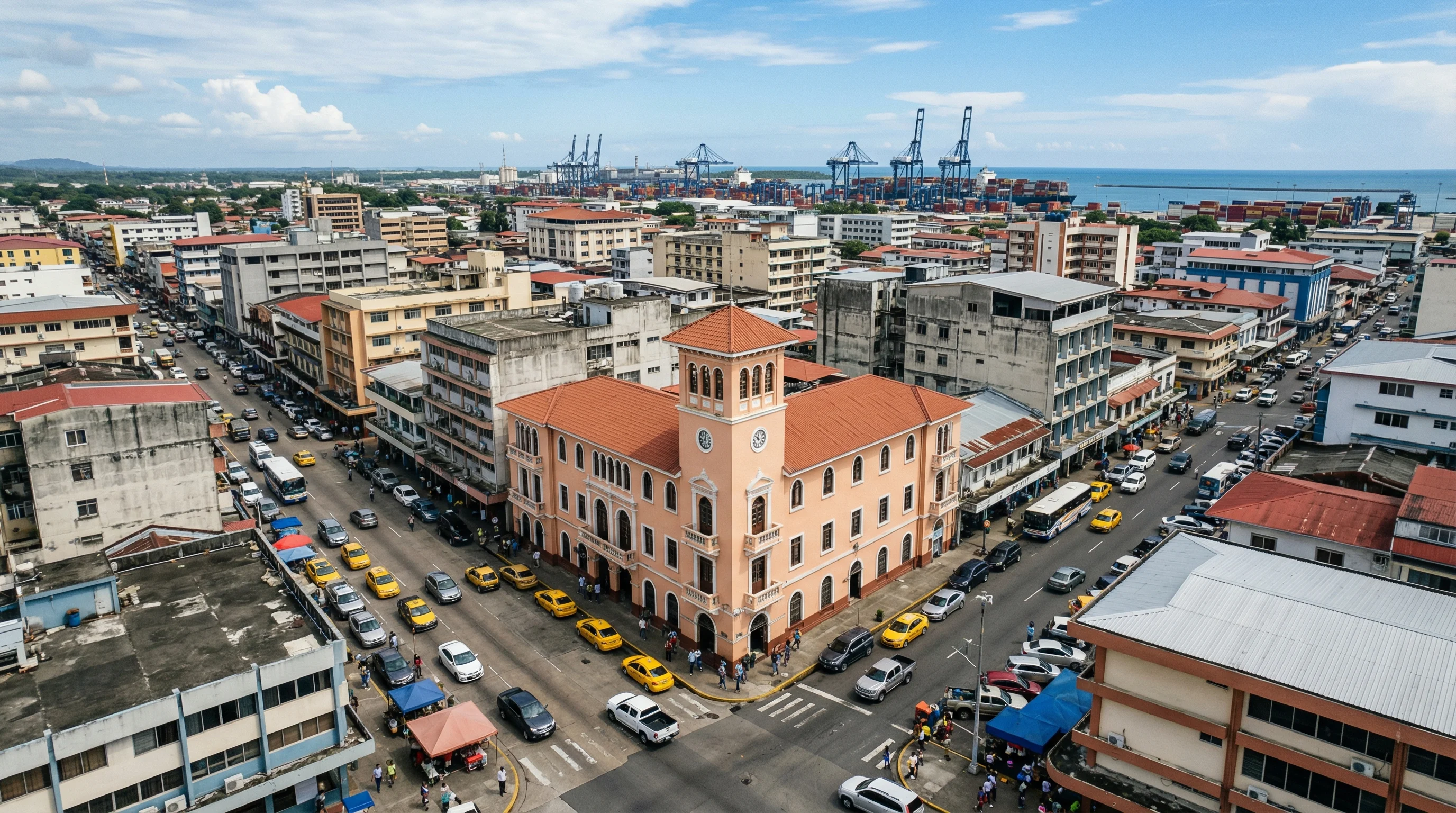
Colón, located on Panama's Atlantic coast, is strategically positioned as the Caribbean gateway to the Panama Canal and one of the most important logistics hubs in Latin America. The city hosts the Colón Free Trade Zone, the second-largest free port in the world, attracting significant international trade and manufacturing activities. Colón's port facilities are among the most advanced in the region, offering deep-water berths capable of handling the largest container vessels.
The area's economic focus centers on transshipment, logistics services, and manufacturing for export. Colón's proximity to the Panama Canal entrance makes it ideal for companies seeking efficient access to both Atlantic and Pacific trade routes. The region's infrastructure includes modern highways connecting to Panama City and the rest of the country, as well as rail connections to the Pacific side, creating multiple transportation options for freight movement.










