
Miami to Panama City
Panama City → MiamiFTL freight transportation service between Miami and Panama City. Reliable logistics solutions for your business.
Route Description
Everything you need to know about the corridor Miami - Panama City
The Miami-Ciudad de Panamá corridor represents a vital logistics link connecting the United States with Central America. This 1,867 km route traverses diverse landscapes and crosses multiple international borders, serving as a critical artery for trade between North and Central America. The corridor's strategic importance lies in its ability to connect major ports, manufacturing hubs, and distribution centers across two continents, facilitating the movement of goods that drive economic growth in both regions.
The economic significance of this corridor is substantial, with key industries including electronics, pharmaceuticals, automotive parts, and consumer goods dominating the freight flow. Miami serves as a gateway for Latin American trade, while Ciudad de Panamá acts as a regional distribution hub thanks to the Panama Canal. The route passes through major transportation infrastructure including Interstate 95, Interstate 10, and various Mexican and Central American highways that form an integrated network connecting these two important commercial centers.
Control Terrestre specializes in managing the complexities of this cross-border corridor, ensuring seamless operations from origin to destination. Our expertise in customs clearance, documentation requirements, and regulatory compliance across multiple jurisdictions allows us to navigate the challenges of international freight transportation efficiently. We coordinate with trusted carriers who understand the nuances of cross-border logistics, providing our clients with reliable door-to-door service that maintains the integrity of their supply chain throughout the entire journey.
Services for this Route
Available services for the corridor Miami - Panama City
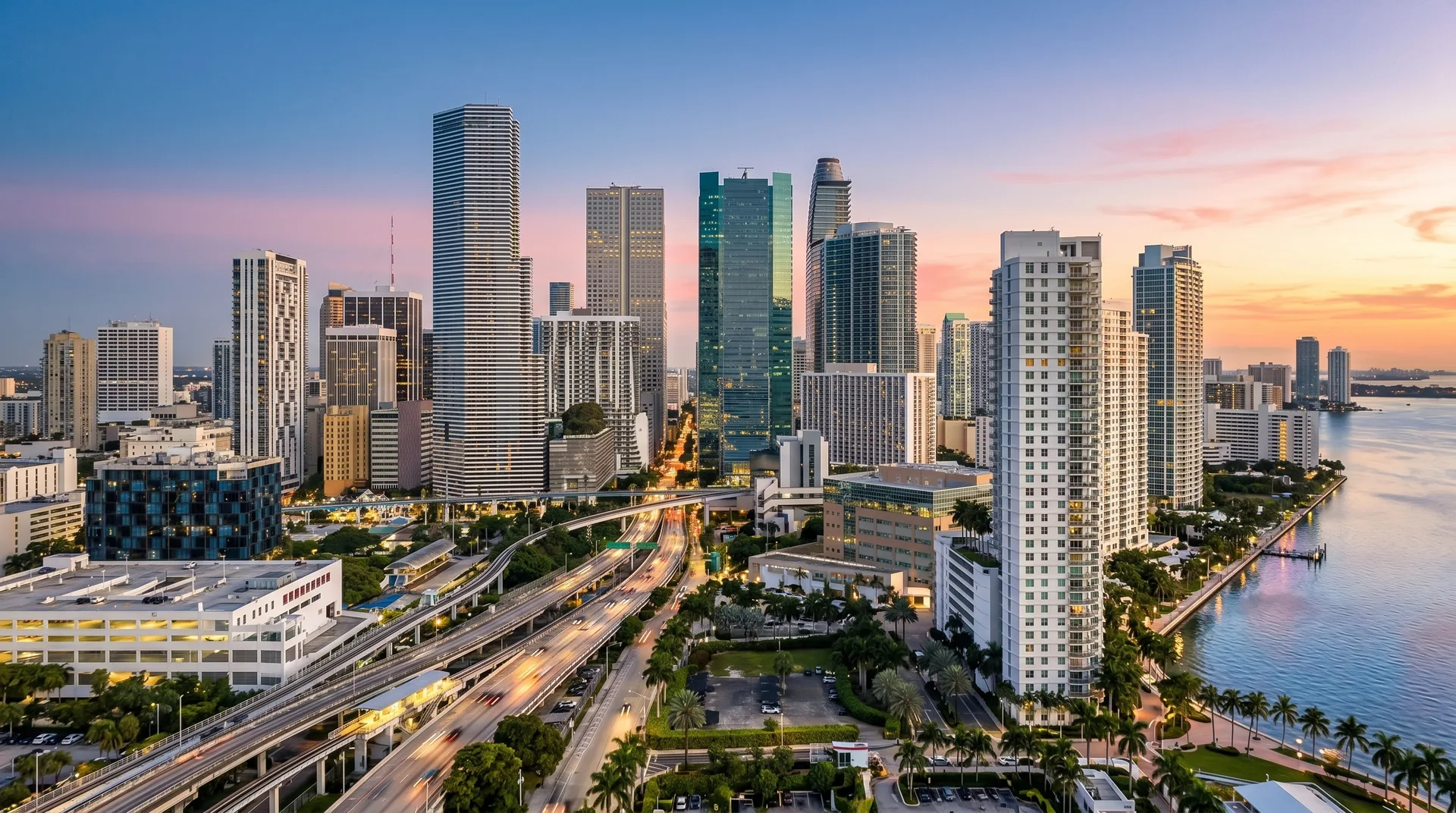 Origin
Miami
Miami, Florida serves as a strategic logistics hub for North American trade with Latin America and the Caribbean. Its location provides immediate access to major port facilities, including the Port of Miami and Port Everglades, which handle significant volumes of containerized cargo. The city's international airport is one of the busiest in the United States for international freight, offering extensive air cargo connections. Miami's robust transportation infrastructure includes a comprehensive network of highways, rail connections, and warehousing facilities that support its role as a primary entry point for goods destined for Central and South America.
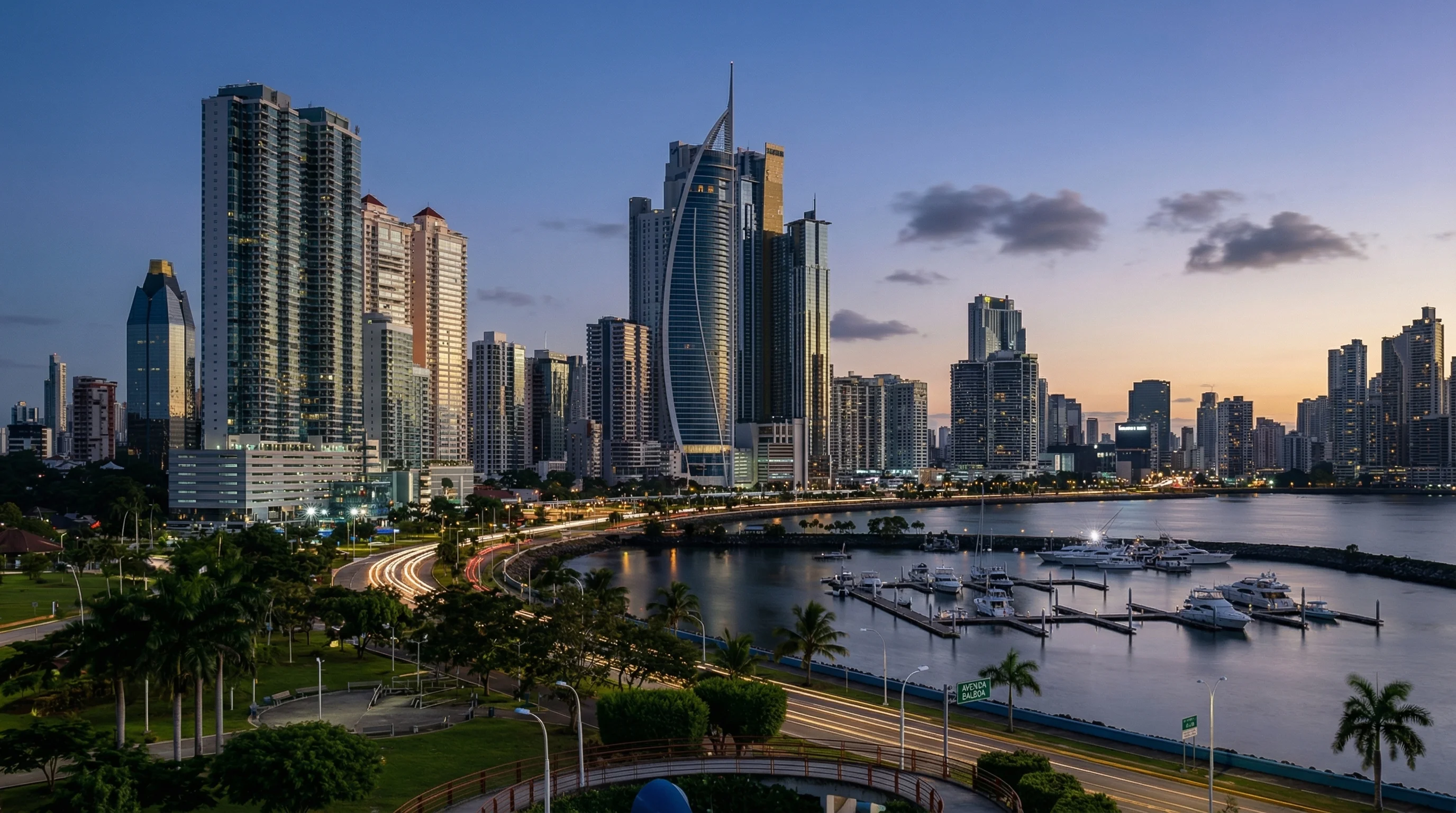 Destination
Ciudad de Panamá stands as a crucial logistics center in Central America, strategically positioned near the Panama Canal and serving as a gateway to the region. The city hosts the Panama Canal's Atlantic and Pacific terminals, making it a pivotal point for global maritime trade. Panama's free trade zones and modern warehousing facilities attract international businesses, while its transportation infrastructure includes the Pan-American Highway and Tocumen International Airport. The city's economic landscape is diverse, with strong presence in banking, logistics, and manufacturing sectors, making it an ideal distribution point for goods throughout Central America.










