Mexicali to Managua
Managua → MexicaliFTL freight transportation service between Mexicali and Managua. Reliable logistics solutions for your business.
Route Description
Everything you need to know about the corridor Mexicali - Managua
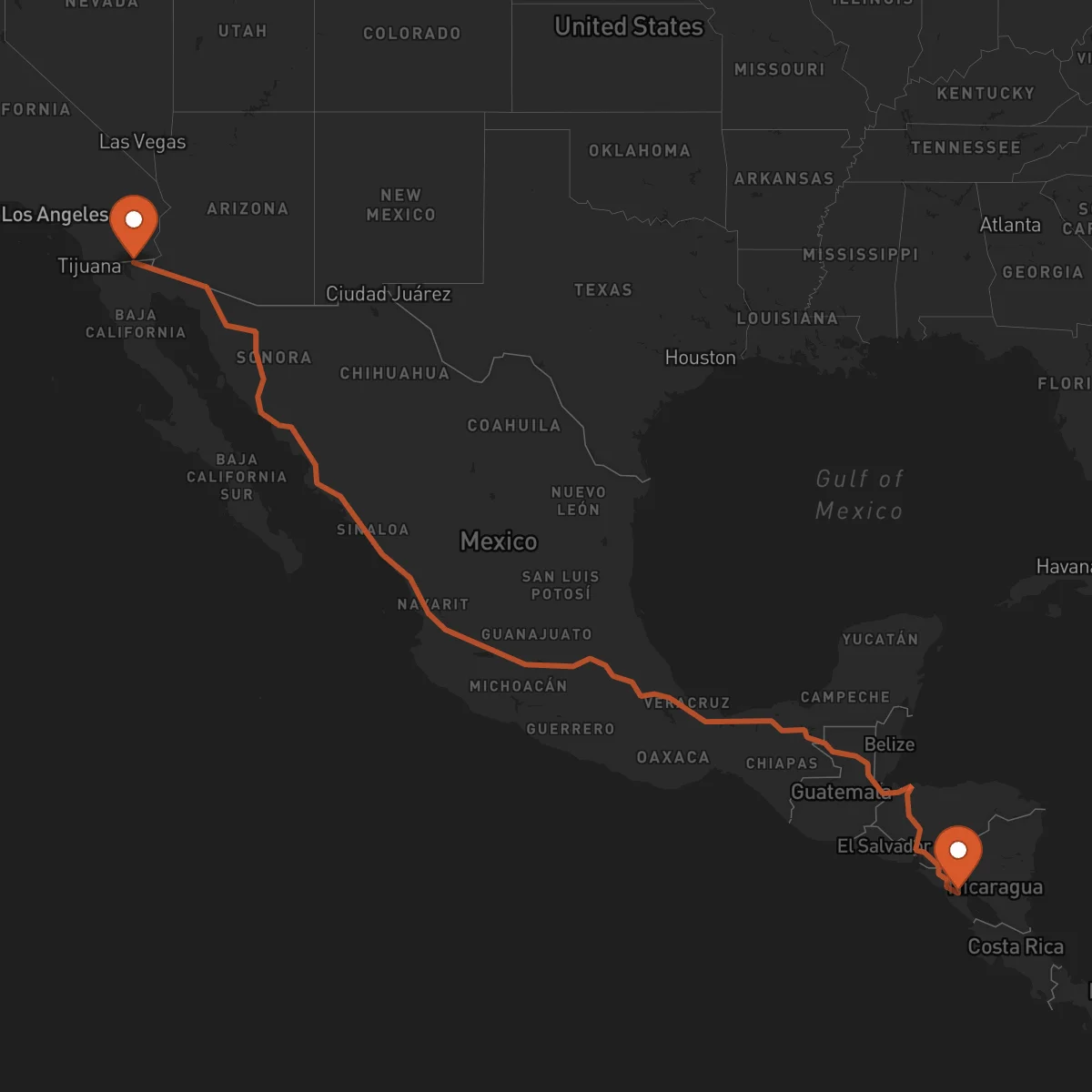
The logistics corridor between Mexicali and Managua represents a vital trade connection between Mexico and Central America. This route spans approximately 3,748 kilometers, traversing multiple countries and diverse economic regions. The corridor serves as a critical artery for cross-border commerce, facilitating the movement of goods between North American markets and Central American destinations.
The route connects two major industrial hubs: Mexicali's manufacturing and export-oriented economy with Managua's growing industrial sector and regional distribution center. Along this corridor, businesses benefit from integrated transportation networks that support the flow of raw materials, finished products, and industrial equipment. The route passes through key economic zones and industrial parks, enabling efficient supply chain operations for companies operating in both regions.
Major transportation infrastructure along this corridor includes Mexico's Federal Highway 1 and Highway 2, connecting to Guatemala's CA-1 and Honduras's CA-5, before reaching Nicaragua's highway network. Key border crossings include Tijuana/San Diego, El Chaparral, and various Central American border checkpoints. Control Terrestre's expertise in cross-border operations ensures smooth customs clearance and compliance with international trade regulations, providing reliable door-to-door service throughout the entire journey.
Services for this Route
Available services for the corridor Mexicali - Managua
 Origin
Mexicali
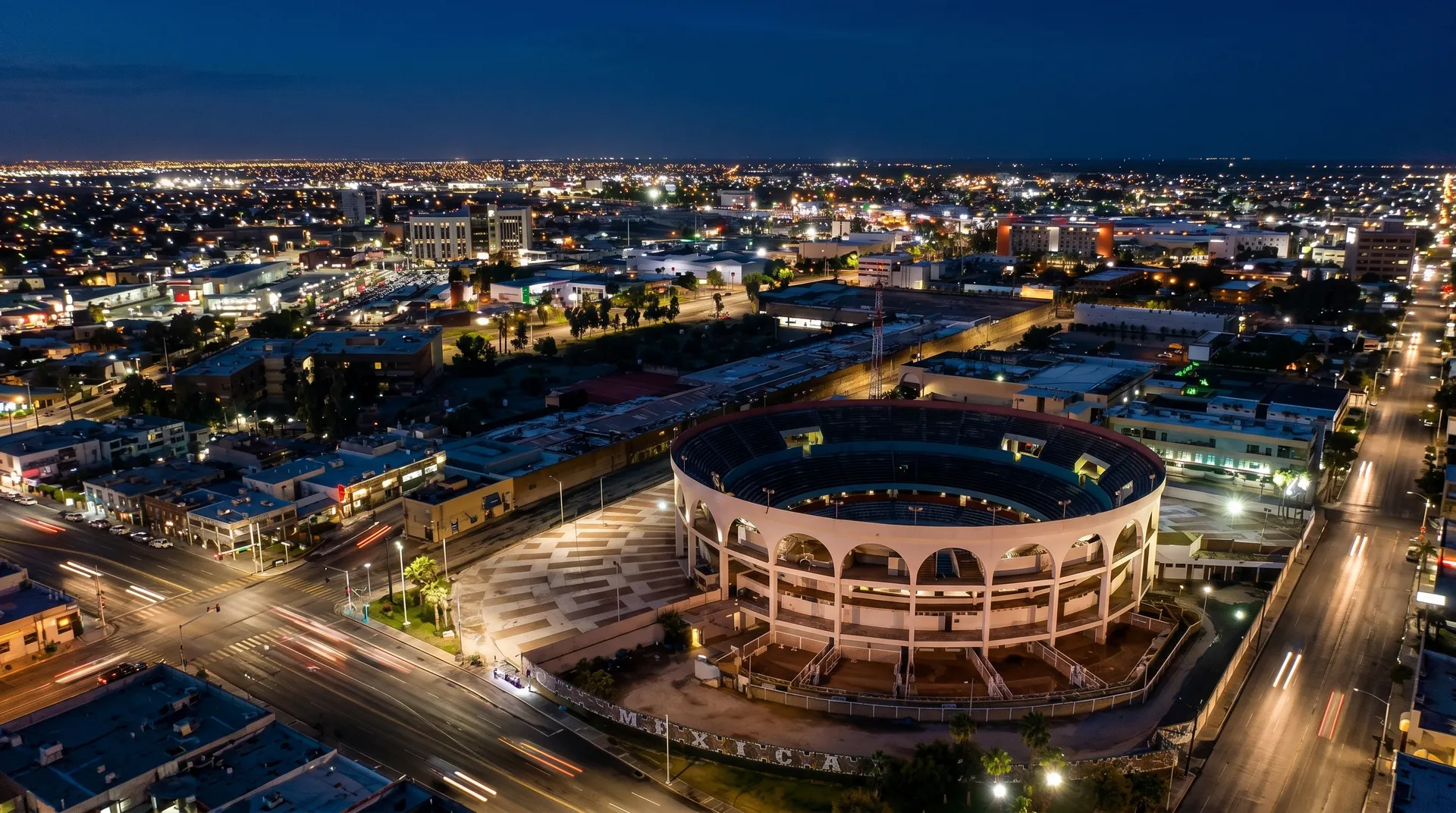
Mexicali, located in Baja California, Mexico, serves as a strategic logistics hub due to its proximity to the United States-Mexico border and major Pacific ports. The city's economy is driven by manufacturing, particularly in the aerospace, automotive, and electronics sectors. Mexicali's Maquiladora industry has established it as a key export processing center, with numerous foreign companies operating assembly plants in the region. The city boasts modern transportation infrastructure, including the Mexicali International Airport, extensive highway networks connecting to California and other Mexican states, and proximity to the Port of Ensenada for maritime shipping options.
 Destination
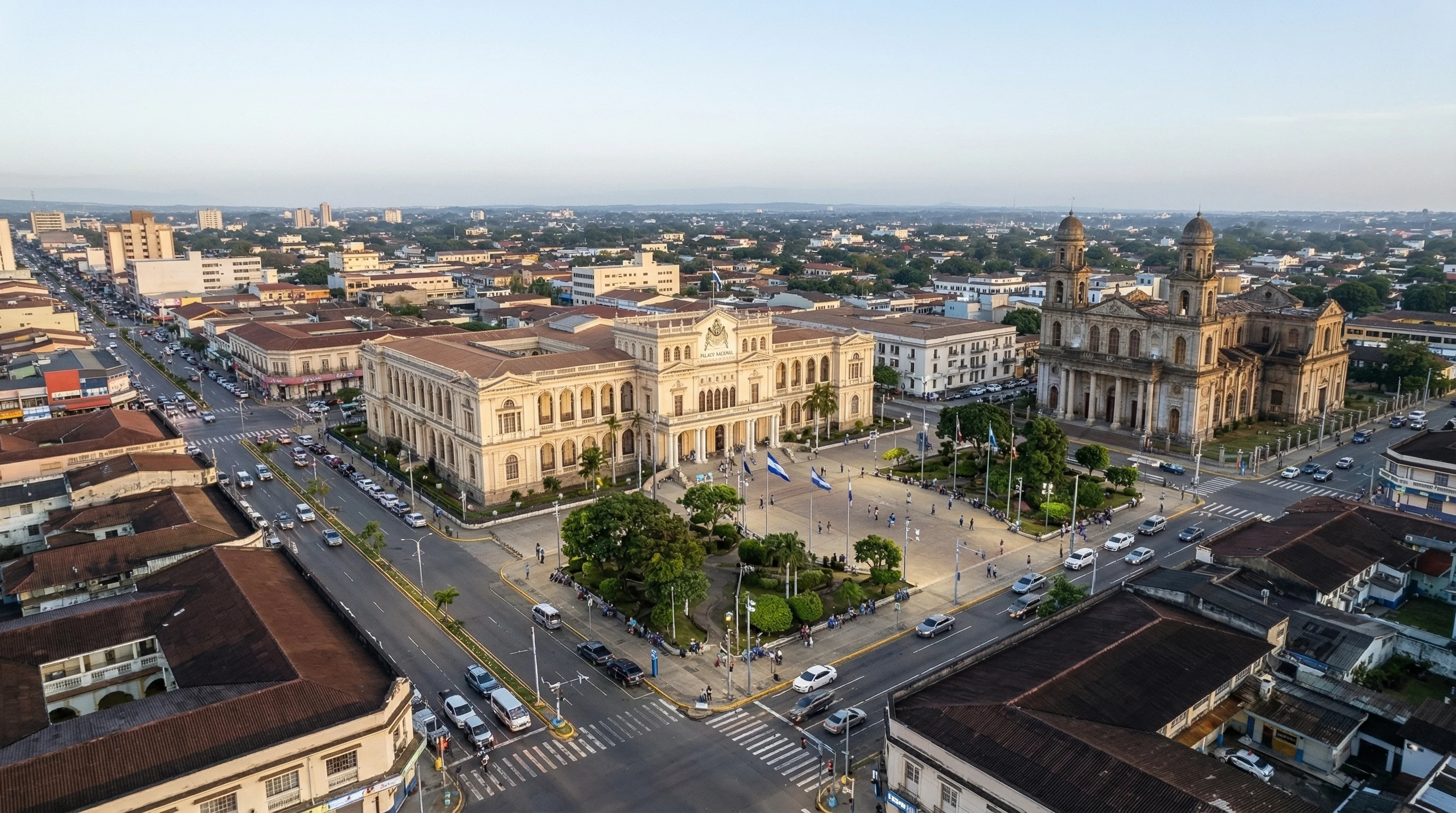
Managua, the capital of Nicaragua, stands as the country's primary industrial and commercial center. The city's strategic location in Central America makes it an ideal distribution hub for regional markets. Managua's economy is characterized by light manufacturing, food processing, and construction materials production. The city features the Augusto C. Sandino International Airport, facilitating air cargo operations, and is connected to Nicaragua's highway network, providing access to neighboring countries. The region's growing industrial parks and free trade zones continue to attract investment and support the expansion of logistics operations in the area.










