Mexicali to Limón
Limón → MexicaliFTL freight transportation service between Mexicali and Limón. Reliable logistics solutions for your business.
Route Description
Everything you need to know about the corridor Mexicali - Limón
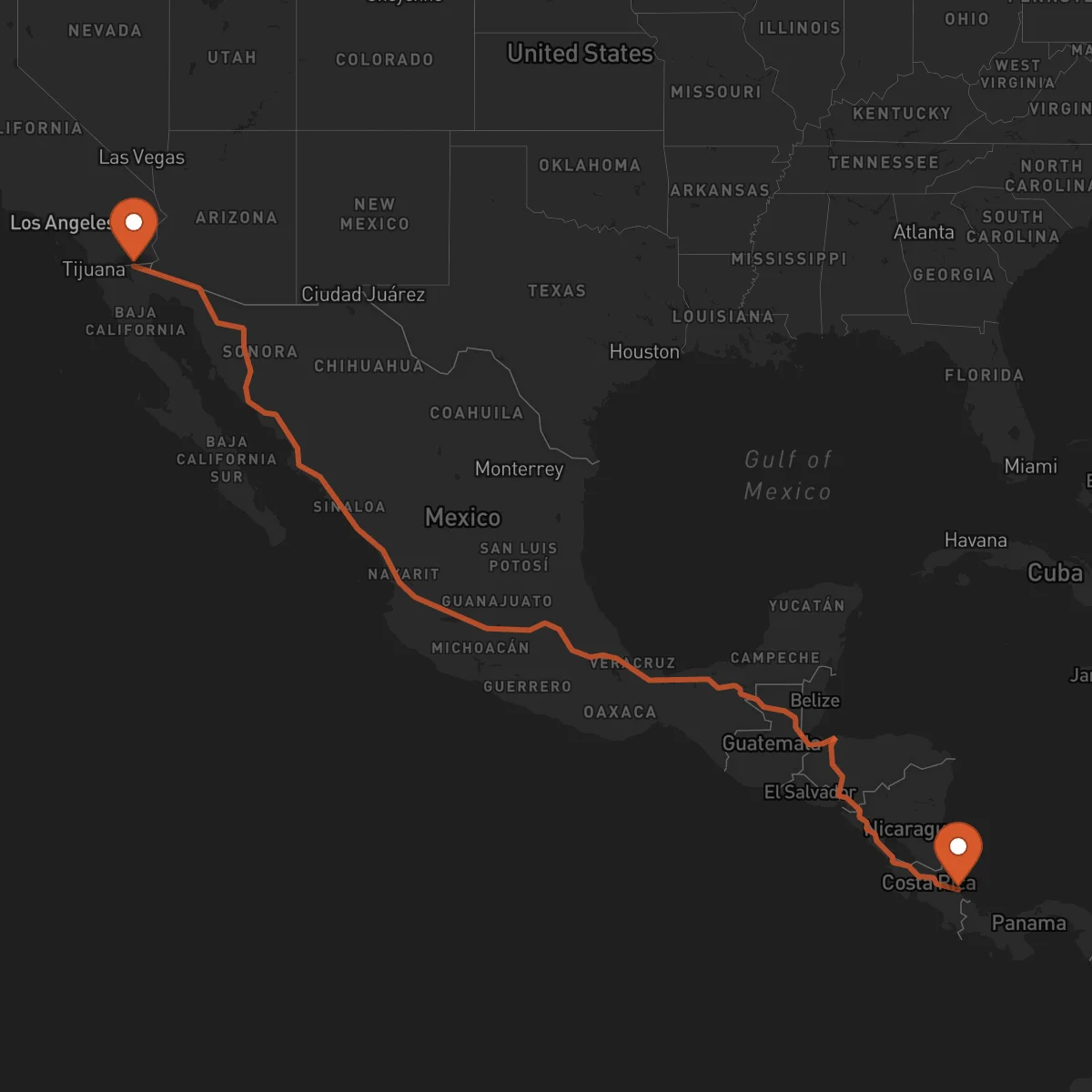
The Mexicali-Limón corridor represents a vital logistics connection between northern Mexico and the Caribbean coast of Costa Rica, spanning approximately 4,165 kilometers through diverse terrain and multiple countries. This cross-border route traverses the Mexican Pacific corridor, passes through Central America, and reaches Costa Rica's principal Atlantic port. The corridor serves as a crucial artery for trade between North American manufacturing centers and Central American markets, facilitating the movement of goods that drive economic integration throughout the region.
The economic significance of this corridor is substantial, connecting industrial hubs in Baja California with Costa Rica's growing manufacturing and agricultural sectors. Major industries utilizing this route include automotive components, electronics, agricultural products, and consumer goods. The corridor passes through key economic zones in Mexico, Guatemala, El Salvador, Honduras, Nicaragua, and Costa Rica, supporting the industrial and commercial activities that characterize these regions.
Transportation infrastructure along this route includes Mexico's Federal Highway 1D and Federal Highway 15D, connecting to Central America's CA-1 Pan-American Highway system. The corridor requires passage through several international borders, including the Mexico-Guatemala border at Ciudad Hidalgo/El Carmen, and subsequent crossings through the CA-4 region. Control Terrestre's expertise in cross-border operations ensures seamless transit through these critical junctures, managing customs documentation, regulatory compliance, and coordination with local authorities to maintain efficient cargo movement throughout the journey.
Services for this Route
Available services for the corridor Mexicali - Limón
 Origin
Mexicali
Mexicali, located in Baja California, Mexico, serves as a strategic logistics hub due to its proximity to the United States border and its position within the California-Baja California manufacturing region. The city hosts a robust industrial base, particularly in aerospace, medical devices, electronics, and automotive manufacturing, supported by numerous maquiladora operations. Mexicali's transportation infrastructure includes direct access to Mexico's Federal Highway 5 and Highway 2, connecting to the broader Mexican highway network, as well as proximity to the Calexico East border crossing for access to U.S. markets. The city's international airport and rail connections through Ferromex further enhance its logistics capabilities.
 Destination
Limón
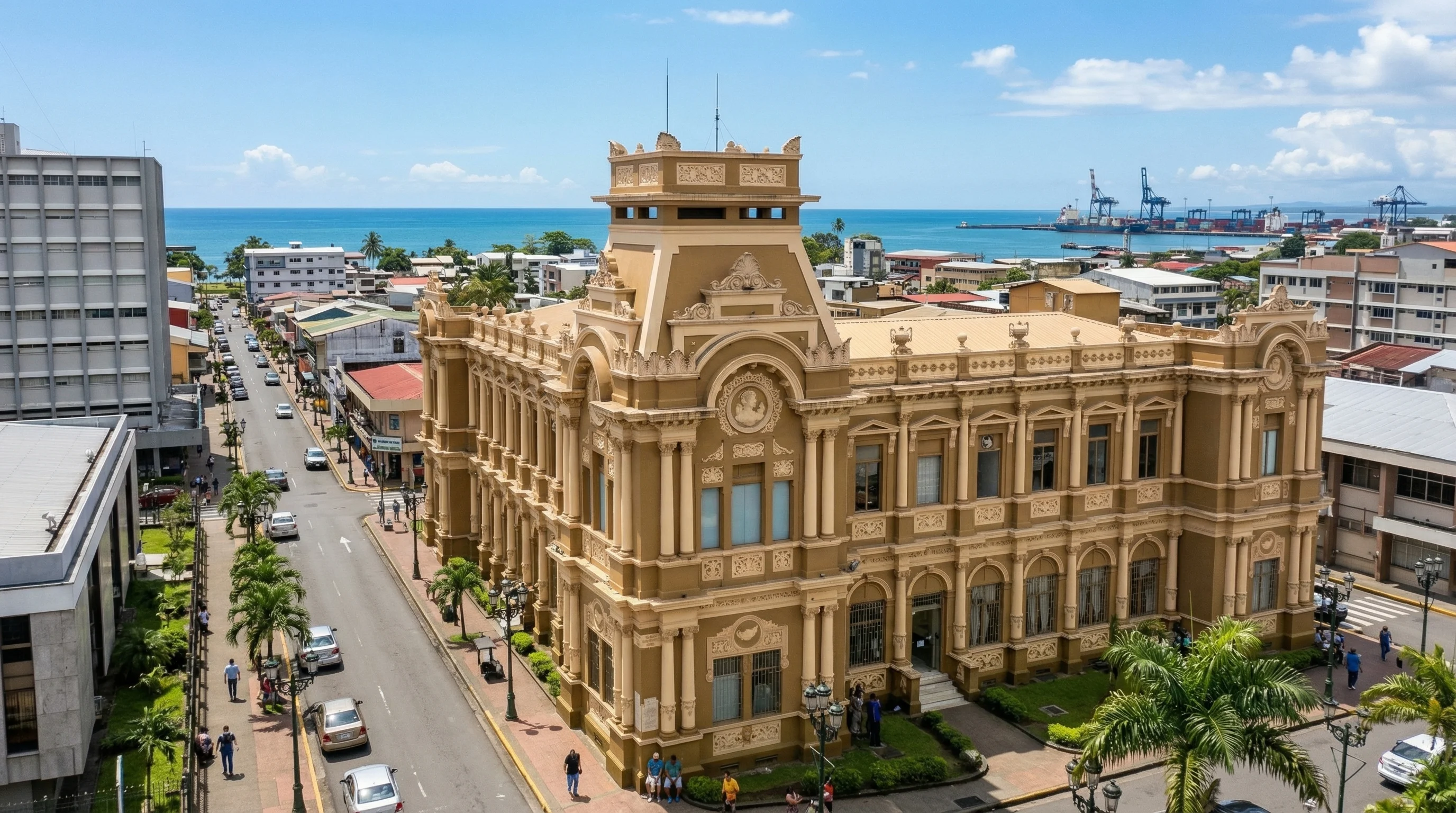
Limón, situated on Costa Rica's Caribbean coast, functions as the country's principal Atlantic port and a critical gateway for international trade. The city's strategic location provides access to the Atlantic Ocean, making it essential for import and export operations, particularly for agricultural products, manufactured goods, and raw materials. Limón's economy revolves around port activities, with the main port complex handling the majority of Costa Rica's containerized cargo. The region is connected to the rest of the country via Highway 32, which links Limón to San José and the central highlands, while the area's port infrastructure supports both commercial shipping and cruise tourism.










