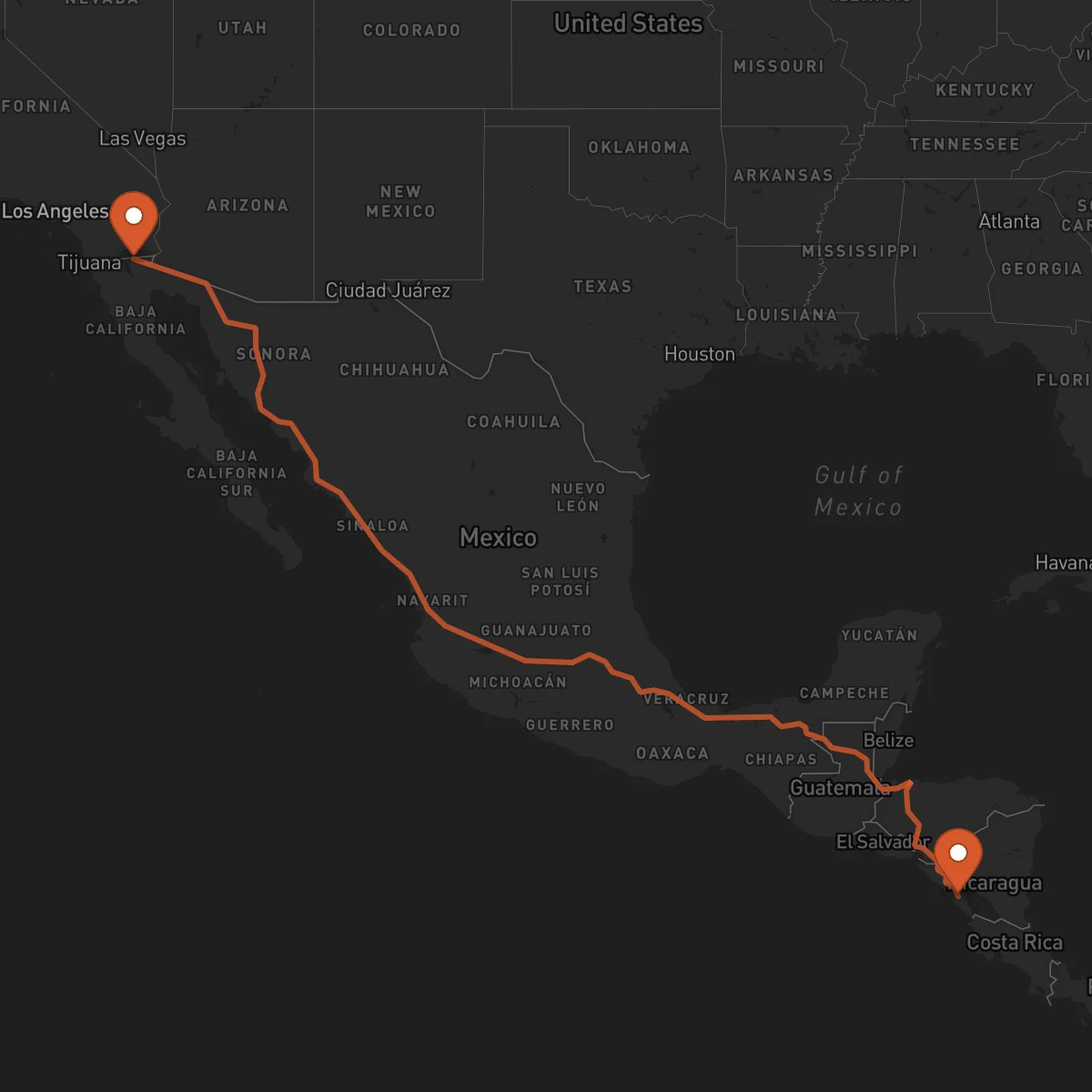
Mexicali to Jinotepe
Jinotepe → MexicaliFTL freight transportation service between Mexicali and Jinotepe. Reliable logistics solutions for your business.
Route Description
Everything you need to know about the corridor Mexicali - Jinotepe
The Mexicali to Jinotepe corridor represents a vital logistics connection spanning over 3,771 kilometers through Mexico and Central America. This cross-border route links the industrial powerhouse of Baja California with the growing economic center of Nicaragua, facilitating trade between North American manufacturing and Central American markets. The corridor traverses diverse landscapes and economic zones, connecting major industrial hubs with emerging markets. Control Terrestre's extensive network of certified carriers ensures seamless transportation across this extensive route, handling all customs procedures and regulatory requirements. Our expertise in cross-border operations guarantees efficient movement of goods through multiple jurisdictions, while our real-time tracking systems provide complete visibility throughout the journey.
Services for this Route
Available services for the corridor Mexicali - Jinotepe
 Origin
Mexicali
Mexicali stands as a strategic logistics hub in northwestern Mexico, benefiting from its proximity to the US-Mexico border and major Pacific ports. The city serves as a key industrial center, particularly strong in aerospace, medical device manufacturing, and agricultural exports. Its modern transportation infrastructure includes direct highway connections to major US cities and Mexican ports, as well as a robust rail network. The city's industrial parks and manufacturing facilities make it an ideal origin point for freight shipments, with excellent access to border crossings and customs facilities.
 Destination
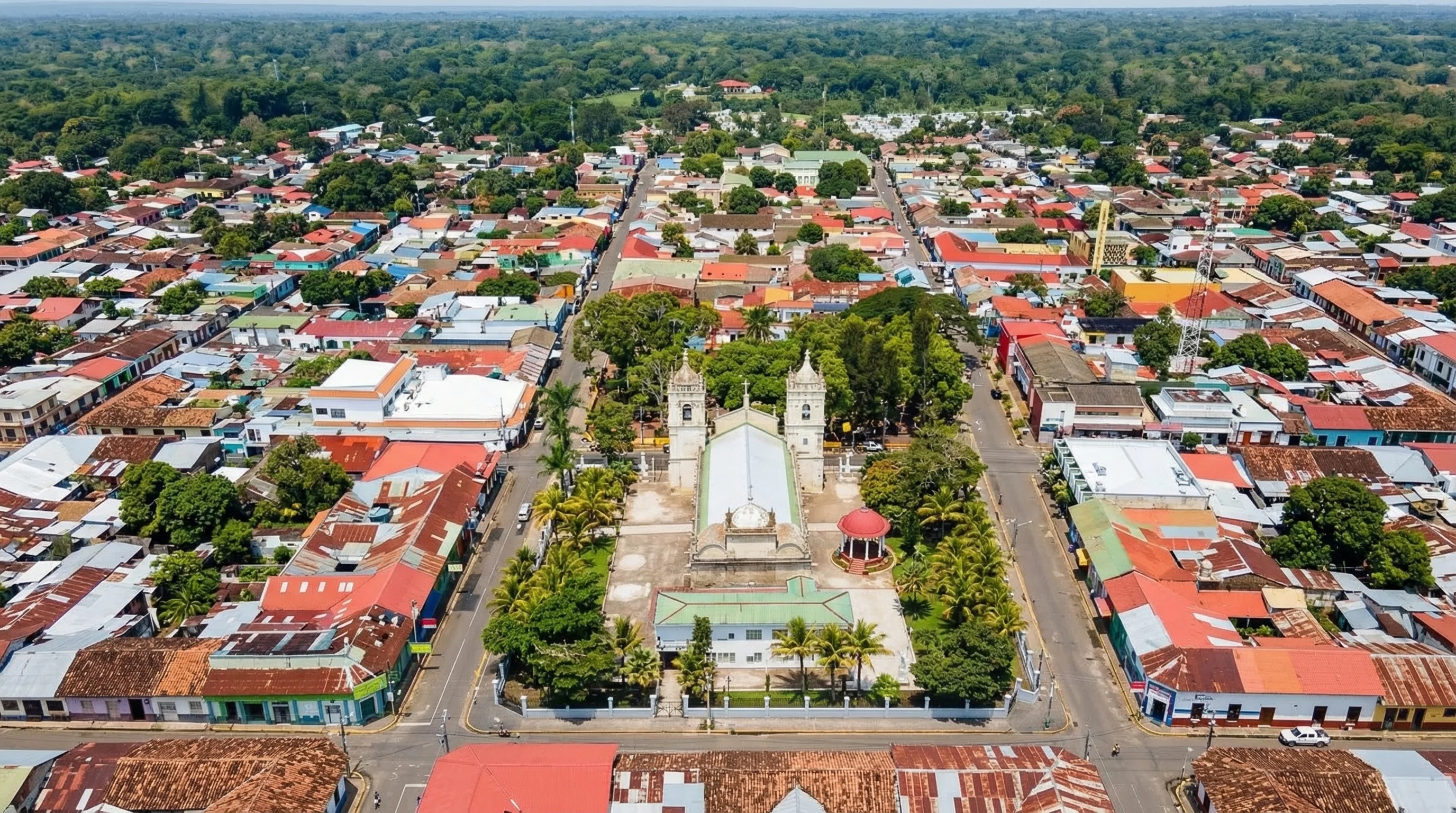
Jinotepe, located in Nicaragua's Carazo department, serves as an important commercial center in Central America. The city's strategic position provides access to Nicaragua's growing manufacturing sector and agricultural exports. Its developing logistics infrastructure includes connections to major highways and ports, facilitating distribution throughout the region. The area's economic growth in textiles, agriculture, and light manufacturing creates consistent demand for reliable freight transportation services.










