Mexicali to Jinotega
Jinotega → MexicaliFTL freight transportation service between Mexicali and Jinotega. Reliable logistics solutions for your business.
Route Description
Everything you need to know about the corridor Mexicali - Jinotega
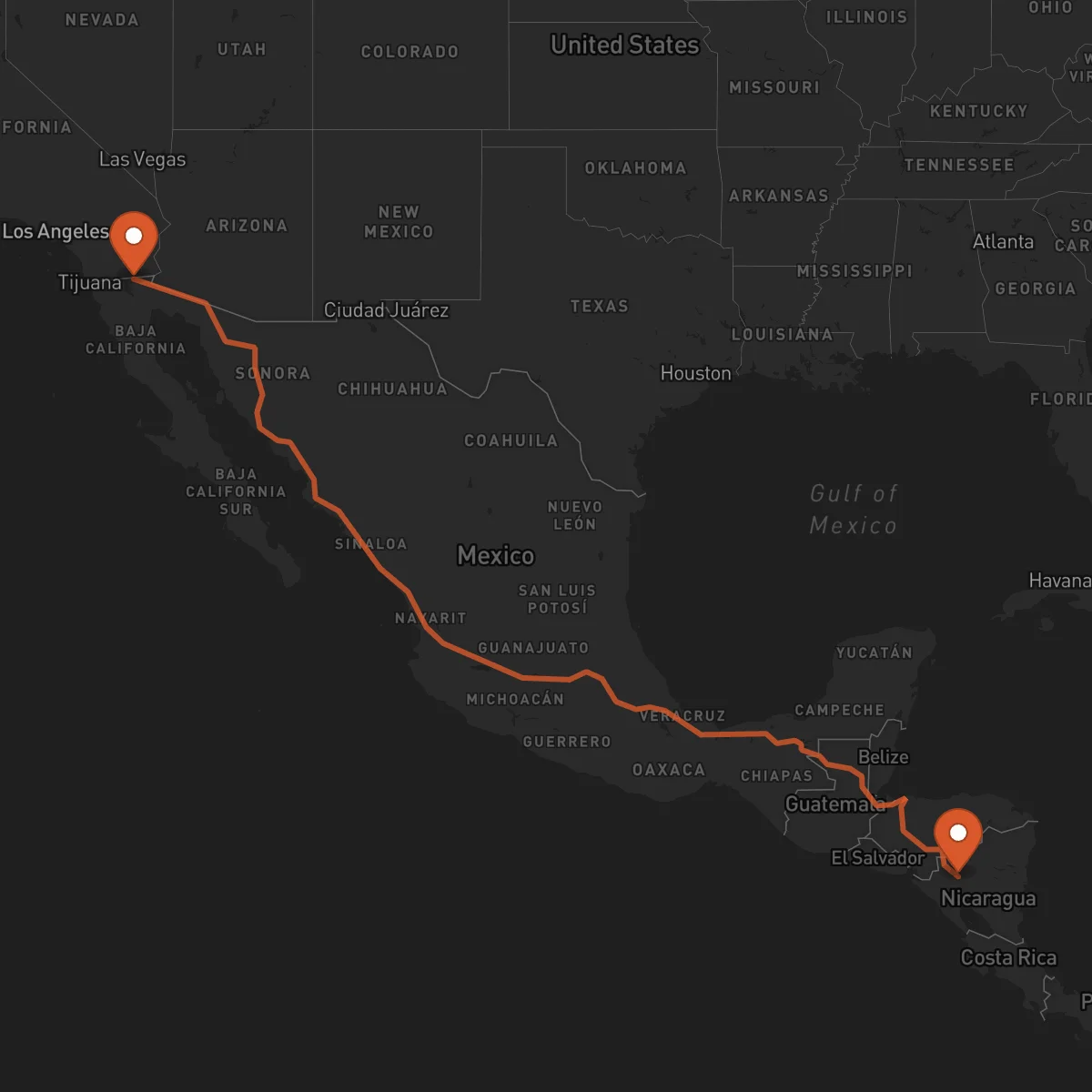
The Mexicali to Jinotega corridor represents a critical north-south logistics artery connecting the industrial heartland of Northern Mexico with the agricultural and growing manufacturing regions of Central America. Spanning approximately 3,695 kilometers, this cross-border route is strategically vital for facilitating trade between the U.S.-Mexico manufacturing ecosystem and the Central American market, serving as a key link in regional supply chains. The corridor's importance is underscored by the robust economic integration between these zones, with Mexicali acting as a major export gateway and Jinotega as a significant distribution and production hub in Nicaragua.
Economically, the corridor supports a dynamic flow of goods. The Mexicali region is dominated by the maquiladora industry, producing automotive parts, electronics, and medical devices primarily for U.S. export, while also handling agricultural exports from the fertile Mexicali Valley. Conversely, Jinotega and surrounding Nicaragua are central to coffee, cocoa, beef, and bean production, alongside emerging light manufacturing. This creates a balanced trade lane where manufactured goods move south and raw agricultural commodities and some consumer goods move north, requiring reliable, full truckload (FTL) capacity.
Key industries leveraging this route include automotive and electronics manufacturers in Mexicali seeking efficient southbound logistics for components or finished goods, and agricultural exporters in Jinotega requiring temperature-controlled or dry van transport to move perishable and dry goods to North American markets. The transportation infrastructure relies on a network of major highways: from Mexicali, the route typically traverses Mexican Federal Highway 2 and 15, connecting to the central corridor via routes like 57 and 45. It then proceeds through Mexico's central plateau, crosses into Central America via the established land bridge through Guatemala and Honduras, and finally utilizes Nicaragua's highway network, including the NIC-1, to reach Jinotega. Critical border crossings involve the Mexico-Guatemala frontier (e.g., Ciudad Hidalgo/Tecún Umán) and subsequent Central American customs points, each with specific documentation and clearance requirements for cross-border freight.
Control Terrestre facilitates seamless operations on this complex corridor through our robust alliance of experienced transportation providers. Our network includes carriers with expertise in long-haul international routes and the necessary certifications for cross-border compliance, such as C-TPAT and FAST for U.S. bound cargo, and BASC for security standards in Latin America. We coordinate dedicated FTL, refrigerated, and dry van services tailored to the specific cargo needs—whether it's electronics from Baja California or coffee beans from Nicaraguan highlands. Our team manages the intricate customs brokerage coordination and border crossing logistics, ensuring your full truckload shipments move efficiently from door in Mexicali to door in Jinotega, mitigating the challenges of this multi-national supply chain.
Services for this Route
Available services for the corridor Mexicali - Jinotega
 Origin
Mexicali
Mexicali, the capital of Baja California, is a strategic logistics powerhouse on the U.S.-Mexico border. Its location directly adjacent to Calexico, California, provides unparalleled access to the vast U.S. consumer market, making it a primary manufacturing and distribution center for Northern Mexico. The city is the epicenter of the Mexicali Valley, one of Mexico's most important agricultural regions, producing a significant volume of asparagus, grapes, onions, and wheat. Beyond agriculture, its economy is driven by a dense cluster of maquiladoras (export-oriented assembly plants) focusing on automotive, electronics, medical devices, and aerospace components. This industrial diversity creates constant demand for both inbound raw material transport and outbound finished goods shipping.
Transportation infrastructure is world-class and multi-modal. Mexicali International Airport handles cargo, while its land infrastructure is its crown jewel. The city is a terminus for major Mexican Federal Highways, including Highway 2 (running along the border) and Highway 15 (connecting to the Mexican interior). Proximity to major U.S. interstate networks (I-8, I-10) via the Calexico/Mexicali border crossing enables rapid movement into the U.S. logistics web. For cross-border freight, the port of entry is equipped for high-volume commercial traffic. Control Terrestre leverages this infrastructure, utilizing our provider network's dedicated fleets and cross-border expertise to offer efficient FTL services from Mexicali's industrial parks and agricultural packing facilities to destinations throughout North and Central America.
 Destination
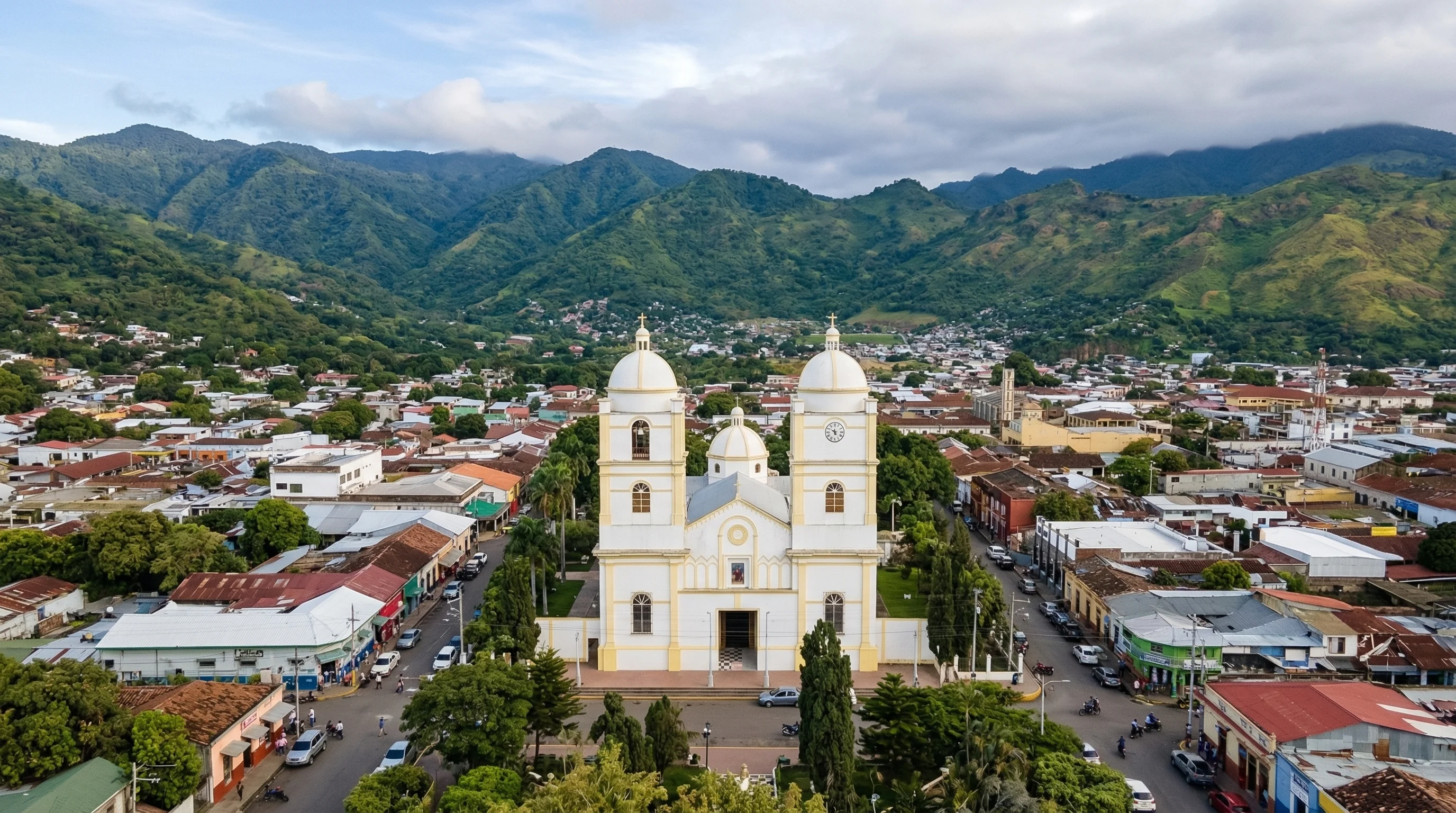
Jinotega, the capital of the Jinotega department in northern Nicaragua, is a strategically important logistics hub for the country's central and northern regions. Often called the 'City of Eternal Spring' for its cooler climate, it sits in a mountainous valley that is Nicaragua's agricultural heartland, making it a natural collection and distribution point. The region is globally renowned for producing high-altitude, premium-quality coffee, which is a primary export. Additionally, the surrounding areas are major producers of cocoa, beans, corn, and livestock (beef and dairy). While primarily agricultural, Jinotega also supports local light industry and construction materials production, serving as a commercial nexus for the northern part of the country.
Logistically, Jinotega's infrastructure is centered on its road connectivity. The city is a key node on the NIC-1 highway, Nicaragua's main north-south arterial road that connects it to the capital, Managua, and to the northern borders with Honduras. This highway is part of the larger Central American road network (CA-1), which is essential for overland freight moving through the isthmus. While the city itself has basic warehousing and distribution facilities, its strength lies in its access to production zones in the surrounding highlands. For Control Terrestre, this means we deploy our full truckload capabilities—including dry vans for coffee sacks and refrigerated units for perishable produce—to navigate the regional highways and ensure reliable door-to-door service from Jinotega's farms and factories to the broader international corridor, connecting Nicaragua's output to markets in Mexico, the U.S., and Canada.










