Mexicali to Cuilapa
Cuilapa → MexicaliFTL freight transportation service between Mexicali and Cuilapa. Reliable logistics solutions for your business.
Route Description
Everything you need to know about the corridor Mexicali - Cuilapa
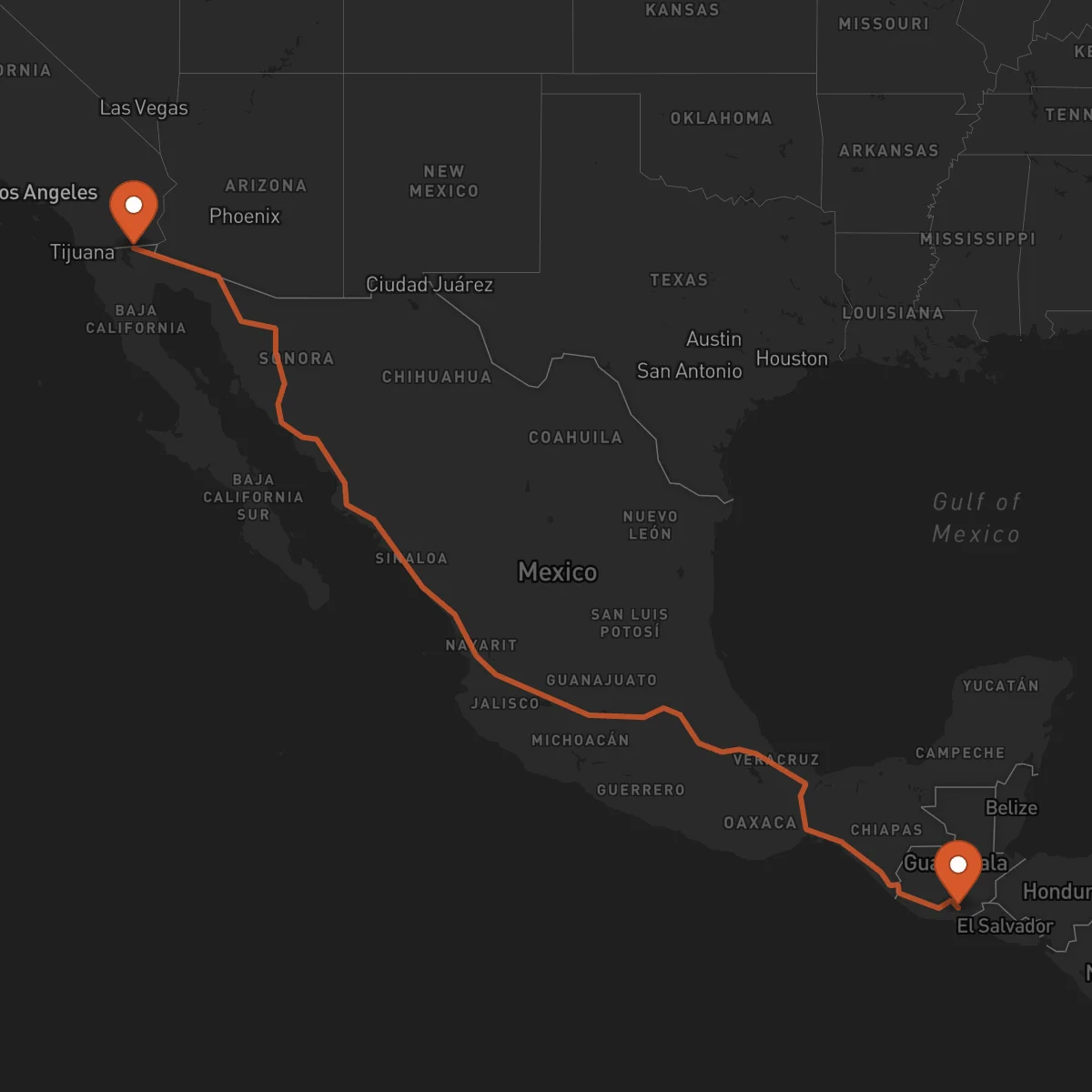
The Mexicali to Cuilapa corridor represents a critical north-south logistics artery connecting the manufacturing powerhouse of Northern Mexico with the distribution heart of Central America. Spanning approximately 3,261 kilometers, this cross-border route traverses the length of Mexico before entering Guatemala, serving as a vital conduit for trade between these key economic regions. The corridor's strategic importance is amplified by Mexicali's status as a major industrial and agricultural hub bordering the United States, and Cuilapa's position as a central logistics node in Guatemala, providing access to broader Central American markets. This route is essential for manufacturers, agricultural exporters, and distributors seeking efficient, direct overland connections without transiting through the United States, optimizing supply chain velocity and cost for regional trade.
Economically, the corridor supports robust industrial activity on both ends. In Mexicali, the economy is driven by the maquiladora industry (electronics, medical devices, aerospace components), significant agricultural production (onions, asparagus, alfalfa), and growing manufacturing sectors. Cuilapa and the surrounding Santa Rosa department are central to Guatemala's agricultural exports (sugar, coffee, vegetables) and serve as a manufacturing and distribution center for the country. The primary industries leveraging this corridor include automotive parts, electronics, consumer goods, perishable food products, and industrial raw materials. Transportation infrastructure is defined by Mexico's Federal Highway 2 and the toll road network (including segments of the Interoceanic Corridor of the Isthmus of Tehuantepec for potential future optimization), transitioning to Guatemala's CA-1 and other national highways. Key border considerations involve the Mexico-Guatemala crossing at Talisman/La Hachadura or Ciudad Hidalgo/Tecún Umán, requiring expertise in Central American customs procedures, documentation, and compliance with varying regional regulations.
Control Terrestre facilitates seamless operations on this complex corridor through our robust alliance of specialized transportation providers. We exclusively offer Full Truckload (FTL) solutions—including dedicated, expedited, and specialized services for oversized or temperature-sensitive cargo—ensuring a single, secure shipment from door to door. Our providers' certifications, such as C-TPAT, FAST, and BASC, are instrumental in streamlining cross-border security protocols and customs clearance, reducing delays. We manage the entire logistics chain, coordinating the optimal equipment—from 53' dry vans and reefers to flatbeds—based on cargo needs. By leveraging our deep regional expertise and provider network, we provide our clients with a single, reliable point of contact to navigate the infrastructural and regulatory complexities of the Mexicali-Cuilapa route, transforming a long-haul challenge into a streamlined, visible supply chain link.
Services for this Route
Available services for the corridor Mexicali - Cuilapa
 Origin
Mexicali
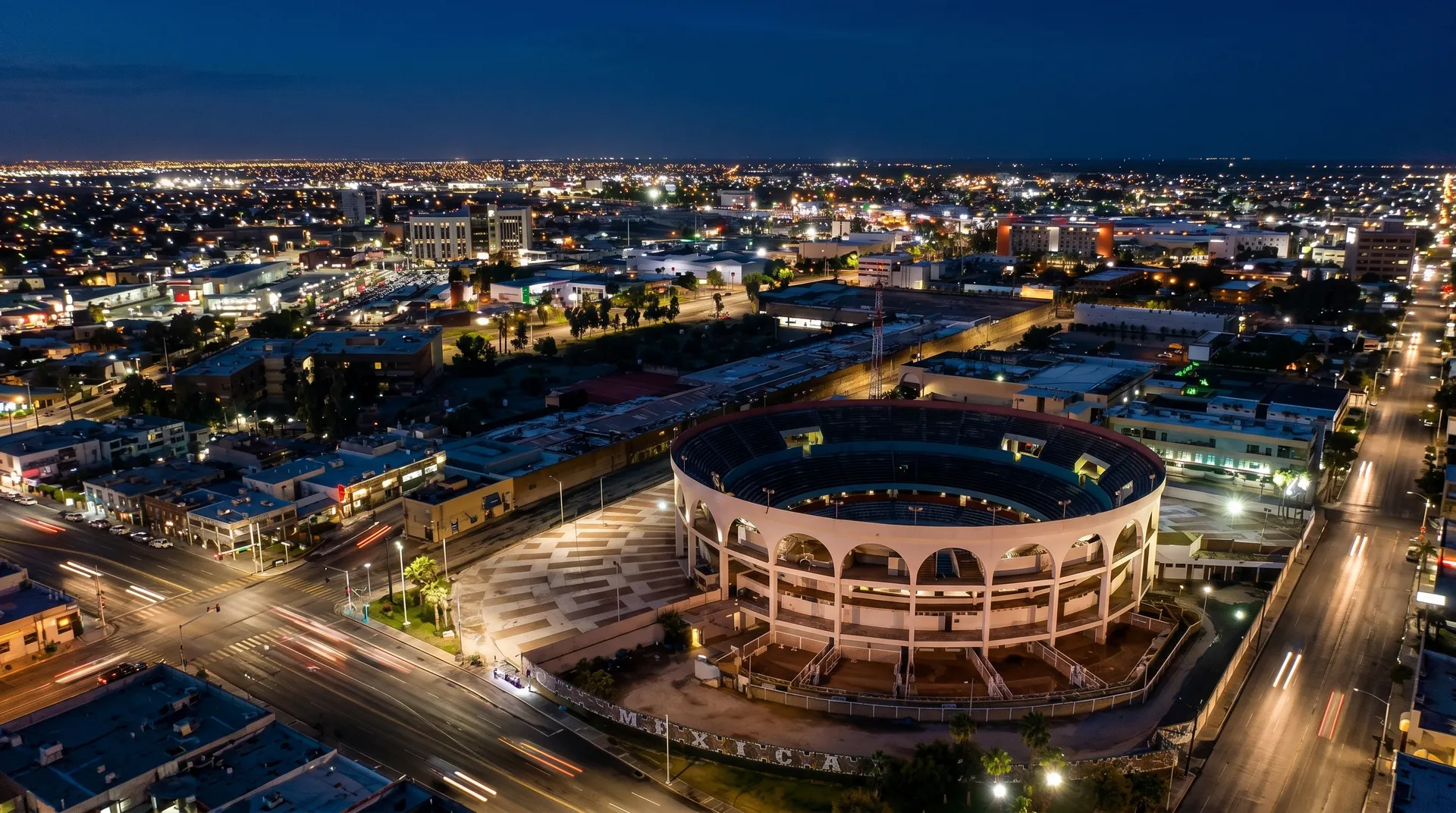
Mexicali, the capital of Baja California, is a strategically vital logistics origin point due to its unique position as a major manufacturing and agricultural center directly on the U.S.-Mexico border. Its economy is overwhelmingly industrial, dominated by the maquiladora program which hosts hundreds of factories producing electronics, medical devices, aerospace components, and automotive parts for global export. Furthermore, the Mexicali Valley is one of Mexico's most important agricultural regions, yielding vast quantities of onions, asparagus, alfalfa, and wheat. This dual industrial-agricultural strength generates constant, high-volume freight demand. The city is exceptionally well-connected infrastructure-wise, featuring direct access to major U.S. border crossings at Calexico West and Calexico East, linking to the extensive U.S. Interstate system (I-8, I-10). Domestically, it is a hub for Federal Highway 2 and connects southward via toll roads and federal highways that form the backbone of the Mexican freight network, making it an unparalleled launchpad for southbound logistics corridors into the heart of Mexico and Central America.
 Destination
Cuilapa
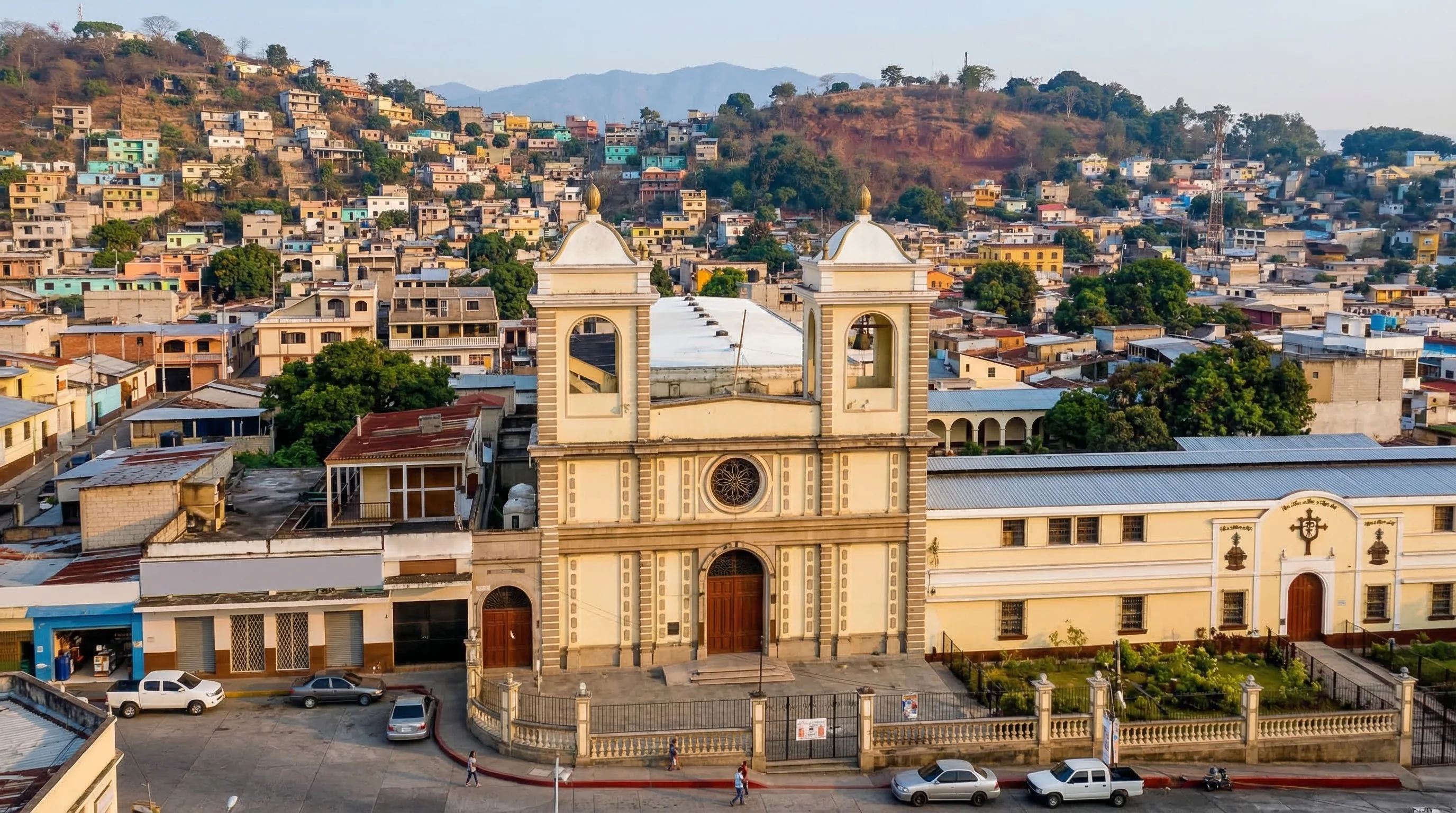
Cuilapa, the capital of Guatemala's Santa Rosa department, serves as a strategically crucial logistics destination and distribution hub for southeastern Guatemala and a gateway to broader Central American markets. Its location at the crossroads of major highways, particularly the Pan-American Highway (CA-1), provides direct road access to Guatemala City (approximately 60 km west), the Pacific coast ports (like Puerto Quetzal), and neighboring El Salvador. Economically, the region is a powerhouse of agriculture and light industry. Santa Rosa is a leading producer of sugar cane, coffee, tropical fruits, and vegetables, generating significant outbound freight. The area also hosts food processing plants, manufacturing facilities, and logistics centers that rely on inbound shipments of raw materials, packaging, and consumer goods. The available transportation infrastructure is robust for the region, centered on the CA-1 highway network, which connects to the primary port facilities on the Pacific coast, enabling efficient multimodal transfers for international trade. This makes Cuilapa an essential consolidation and deconsolidation point for supply chains targeting Guatemala and the Isthmus.










