Mexicali to Colón
Colón → MexicaliFTL freight transportation service between Mexicali and Colón. Reliable logistics solutions for your business.
Route Description
Everything you need to know about the corridor Mexicali - Colón
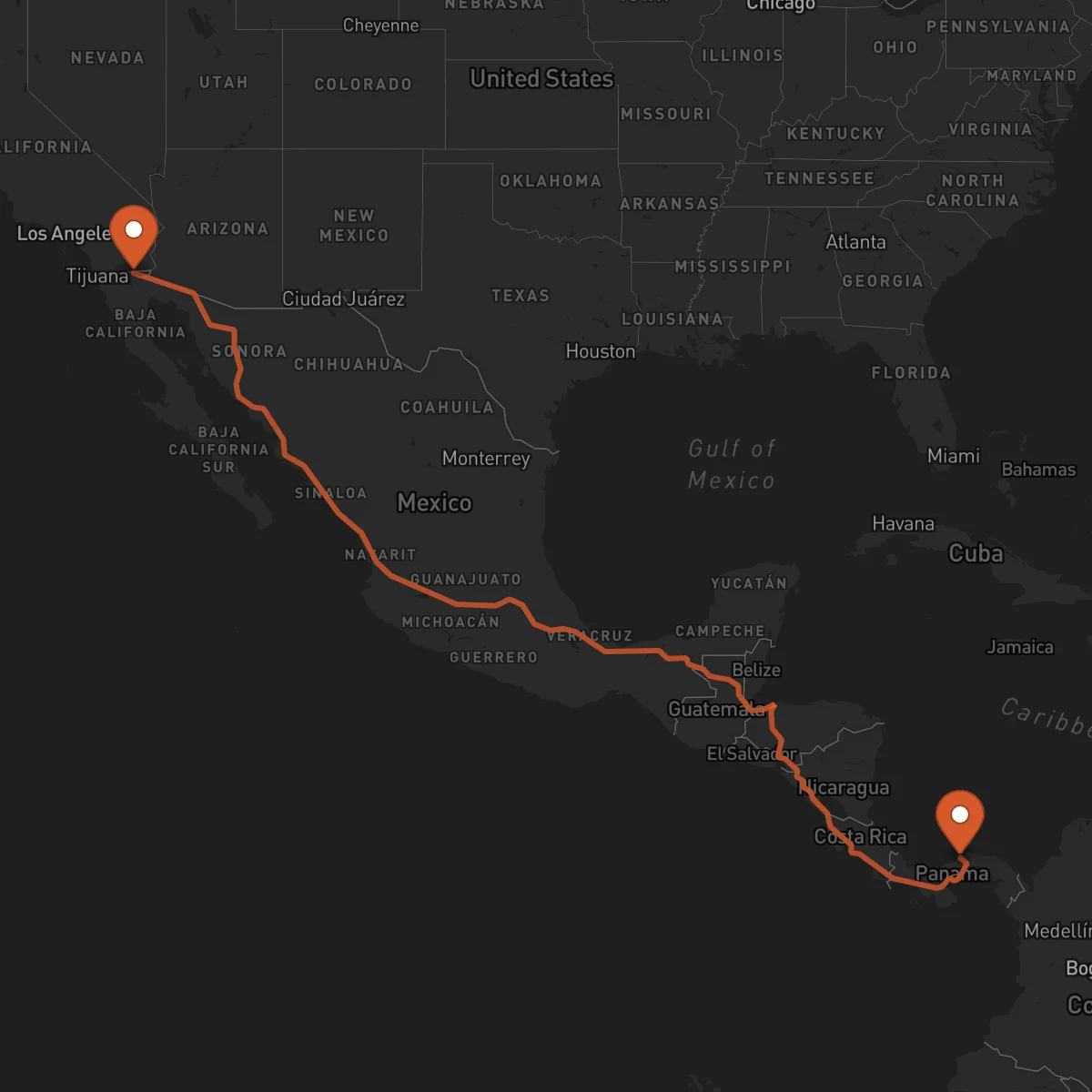
The Mexicali-to-Colón corridor represents a vital North-South artery, connecting the manufacturing heartland of Northern Mexico with the strategic logistics gateway of Panama. This approximately 4,470 km route traverses the length of Mexico, through Guatemala, El Salvador, Honduras, Nicaragua, Costa Rica, and into Panama, serving as a critical link for supply chains moving between North American production centers and Central American markets, as well as for goods transiting to and from South America via the Panamanian hub. Its strategic importance is underscored by its role in facilitating trade under various international agreements and its function as a terrestrial bridge complementing maritime routes.
The economic context is defined by Mexicali's status as a major manufacturing and export zone, particularly for the automotive, aerospace, and electronics sectors, which generate high-value cargo requiring reliable, long-haul transportation. As the cargo moves south, it passes through diverse industrial regions, from Mexico's agricultural valleys to Central America's growing manufacturing parks and consumer markets. Key industries utilizing this corridor include automotive parts, electronics, agricultural goods, manufactured consumer products, and industrial equipment. The corridor's efficiency directly impacts the competitiveness of these sectors by determining supply chain velocity and cost.
Transportation infrastructure relies primarily on the Mexican Federal Highway 15 (Mexico 15) for the initial leg, which connects to the Central American Highway Network (CA-1) that runs the length of the isthmus. This network, while extensive, presents varying road conditions and requires meticulous planning for border transitions. Critical border crossings include the Mexico-Guatemala border at Ciudad Hidalgo/Tecún Umán and the Costa Rica-Panama border at Paso Canoas/Changuinola. Customs and regulatory compliance are paramount, involving multiple jurisdictions with distinct documentation, safety, and security protocols. Control Terrestre facilitates seamless operations on this complex corridor through our robust alliance of experienced carriers. Our partners hold essential certifications like C-TPAT, FAST, and BASC, which streamline customs procedures at key borders. We coordinate the full journey as a single point of contact, managing documentation, carrier selection with appropriate equipment (dry vans, reefers, flatbeds), and cross-border compliance, ensuring a cohesive door-to-door solution for your full truckload (FTL) cargo without the complications of consolidated freight.
Services for this Route
Available services for the corridor Mexicali - Colón
 Origin
Mexicali
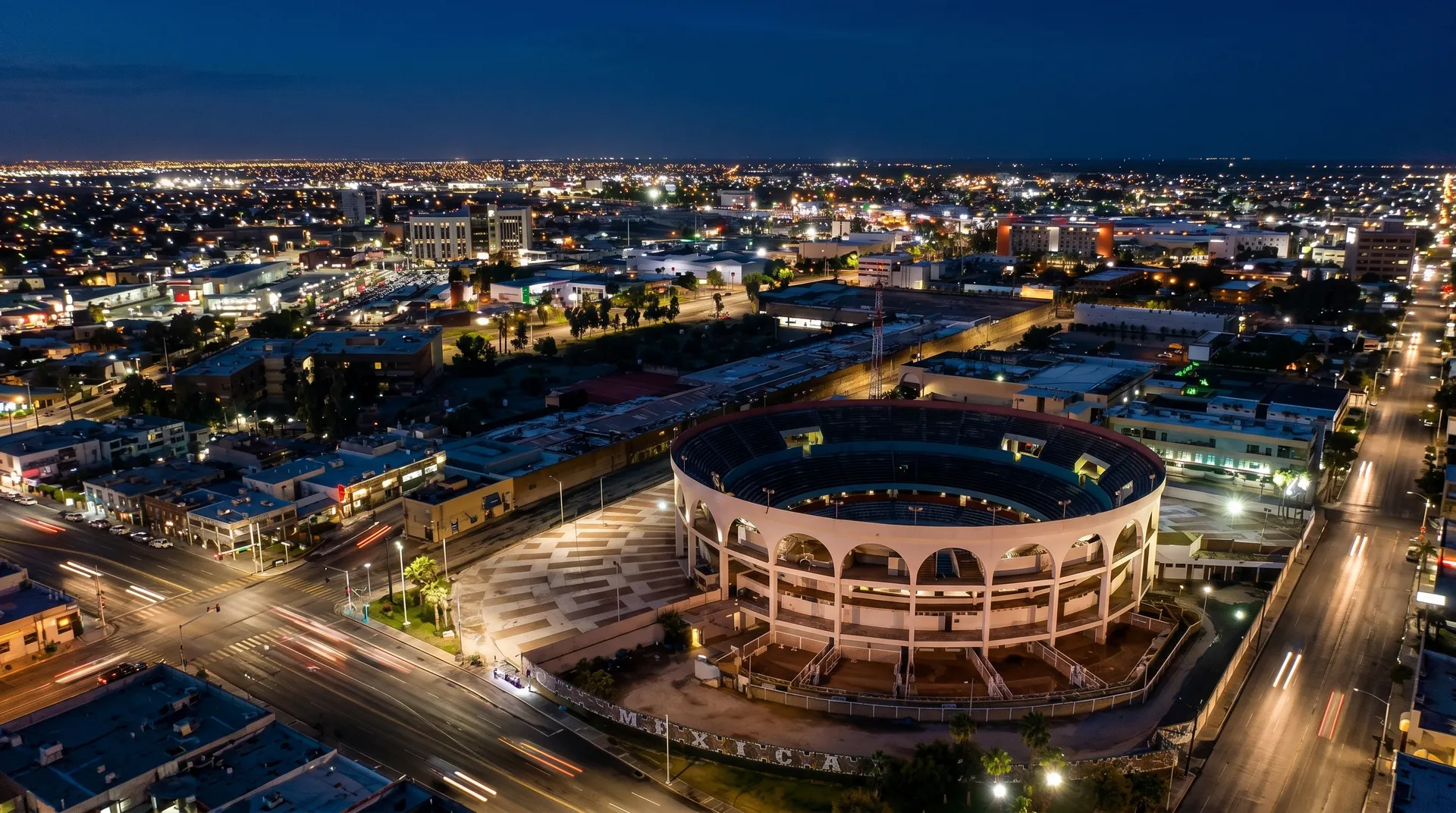
Mexicali, the capital of Baja California, is a strategic logistics powerhouse due to its prime location directly on the U.S.-Mexico border, adjacent to Calexico, California. This positioning makes it a primary gateway for trade between Mexico's manufacturing sector and the vast U.S. consumer market. The city's economy is dominated by advanced manufacturing, particularly in the automotive (including electric vehicle components), aerospace, and medical device industries, alongside significant agricultural production from the fertile Mexicali Valley. This industrial diversity generates consistent, high-volume freight requiring dedicated long-distance transportation. The available transportation infrastructure is robust, featuring direct access to major north-south federal highways (Mexico 15 and Mexico 2), rail connections, and the Mexicali International Airport for air cargo. Its well-established maquiladora (export manufacturing) industry ensures a constant flow of export-bound goods, making it an optimal origin point for FTL shipments heading south into Mexico and beyond.
 Destination
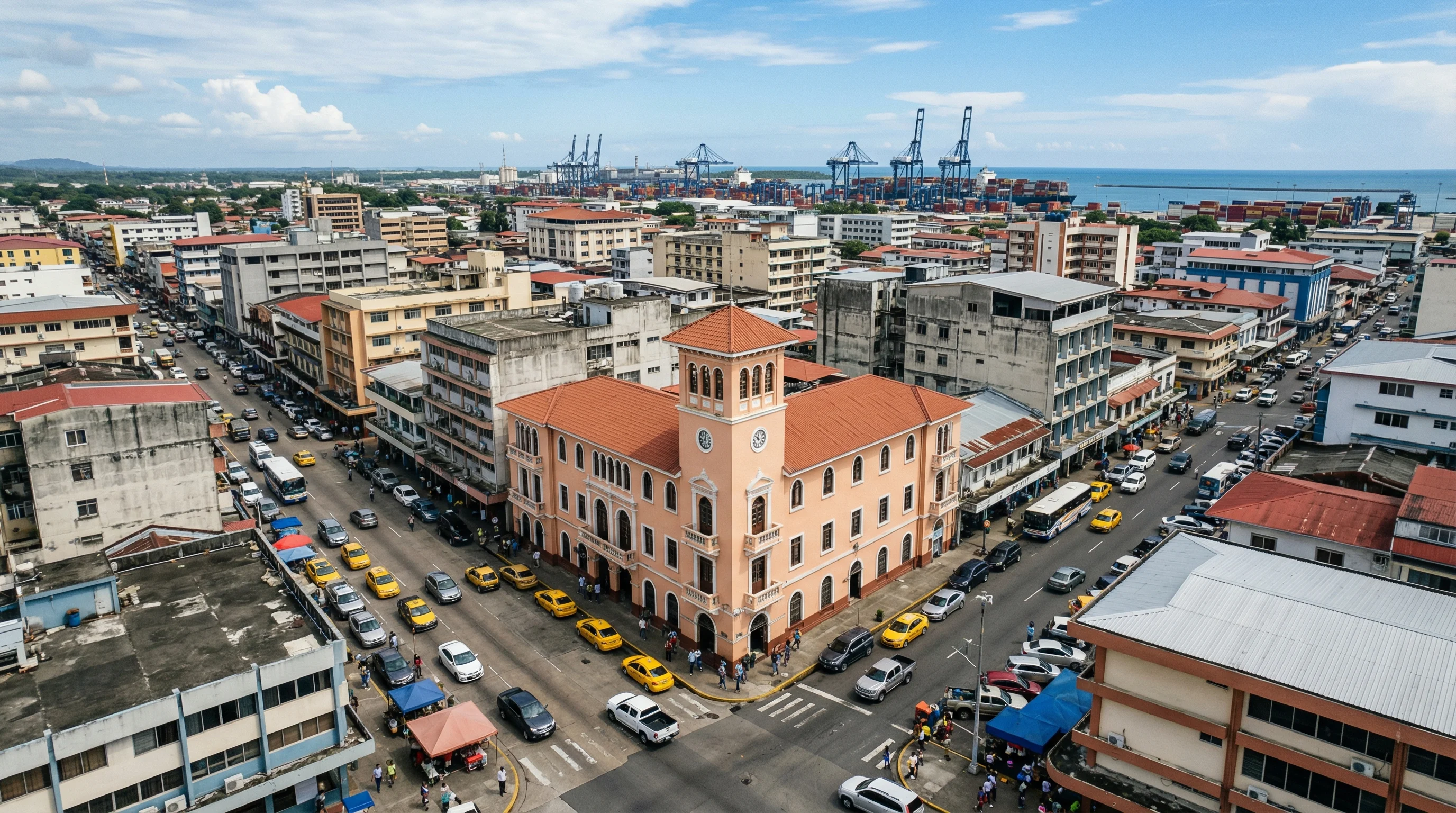
Colón, located on the Caribbean coast of Panama, is a destination of immense strategic importance, primarily due to its status as the Atlantic gateway to the Panama Canal and the home of the Colón Free Zone (Zona Libre de Colón), the largest free-trade zone in the Americas. This creates a dynamic logistics and distribution hub for cargo moving throughout the Americas. Key industries include global distribution and logistics services, warehousing, light manufacturing for re-export, and retail. The city's economic engine is fueled by the transshipment of goods. Its transportation infrastructure is anchored by the Port of Colón (Manzanillo International Terminal and others), which is one of the busiest container ports in Latin America. It is the northern terminus of the Pan-American Highway (CA-1) in Panama, providing the critical land connection for cargo arriving from Central America. The presence of the free zone and canal-related activities ensures a constant demand for both import and export freight services, making it a pivotal endpoint for cross-continental supply chains.










