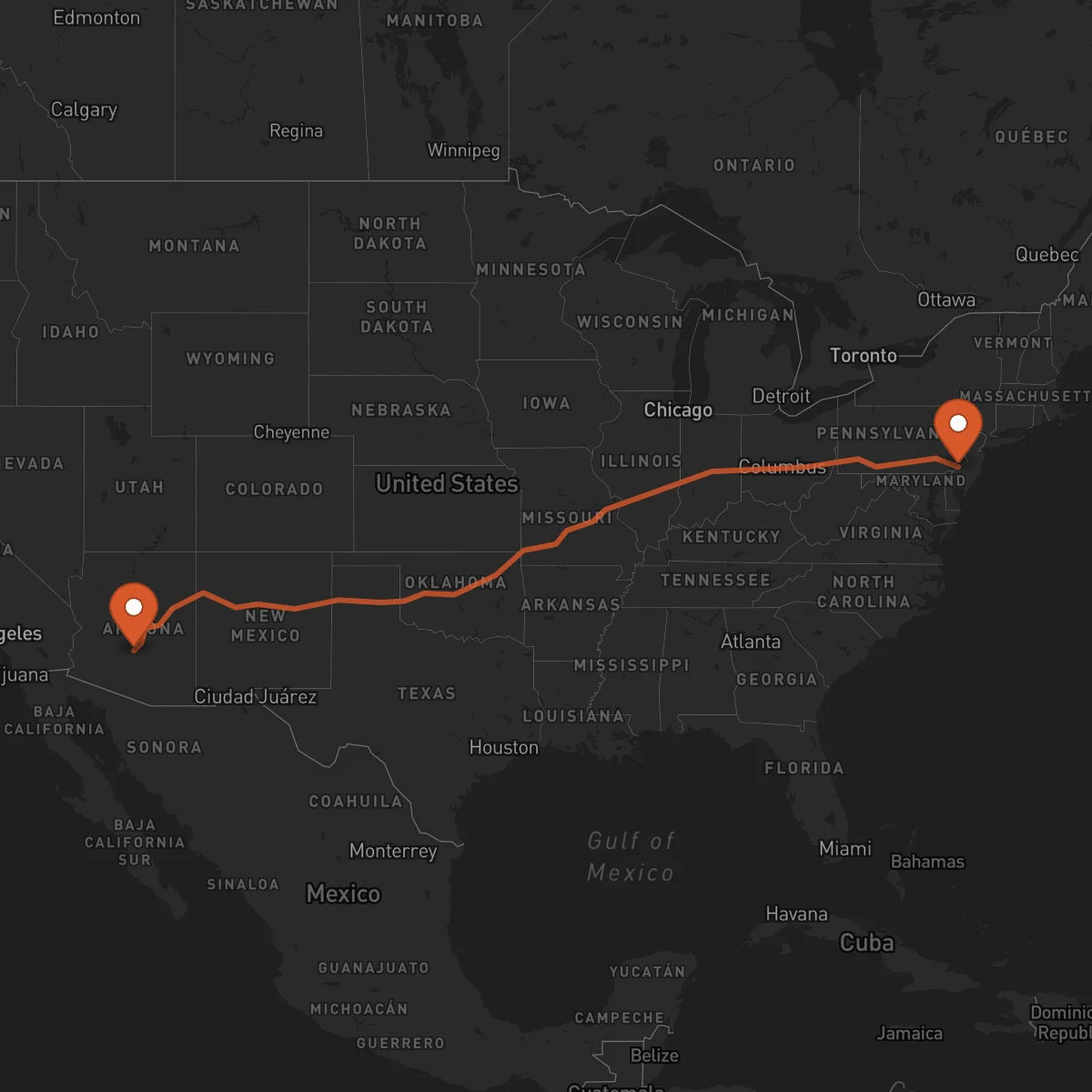
Mesa to Philadelphia
Philadelphia → MesaFTL freight transportation service between Mesa and Philadelphia. Reliable logistics solutions for your business.
Route Description
Everything you need to know about the corridor Mesa - Philadelphia
The logistics corridor connecting Mesa, Arizona to Philadelphia, Pennsylvania represents a vital freight transportation route spanning approximately 3,325 kilometers across the United States. This east-west corridor traverses diverse geographical and economic regions, linking the southwestern industrial hub with the historic northeastern commercial center. The route primarily follows major interstate highways including I-10, I-40, and I-76, providing efficient access through key logistics markets such as Albuquerque, Oklahoma City, St. Louis, and Columbus.
The economic significance of this corridor is substantial, connecting two distinct economic regions with complementary industrial profiles. Mesa serves as a growing logistics and manufacturing center in the Southwest, while Philadelphia functions as a major port city and industrial powerhouse on the East Coast. This route facilitates the movement of goods between the Pacific manufacturing base and the Atlantic distribution networks, supporting cross-country supply chains essential to American commerce.
Key industries utilizing this corridor include automotive parts manufacturing, electronics distribution, agricultural products, and consumer goods. The route also serves pharmaceutical companies based in the Philadelphia area shipping to western markets, and aerospace manufacturers operating in Arizona transporting components eastward. Control Terrestre's full truckload (FTL) services along this corridor ensure dedicated capacity for time-sensitive shipments, providing consistent transit times and reliable delivery schedules for businesses requiring dedicated transportation solutions between these strategic markets.
Services for this Route
Available services for the corridor Mesa - Philadelphia
 Origin
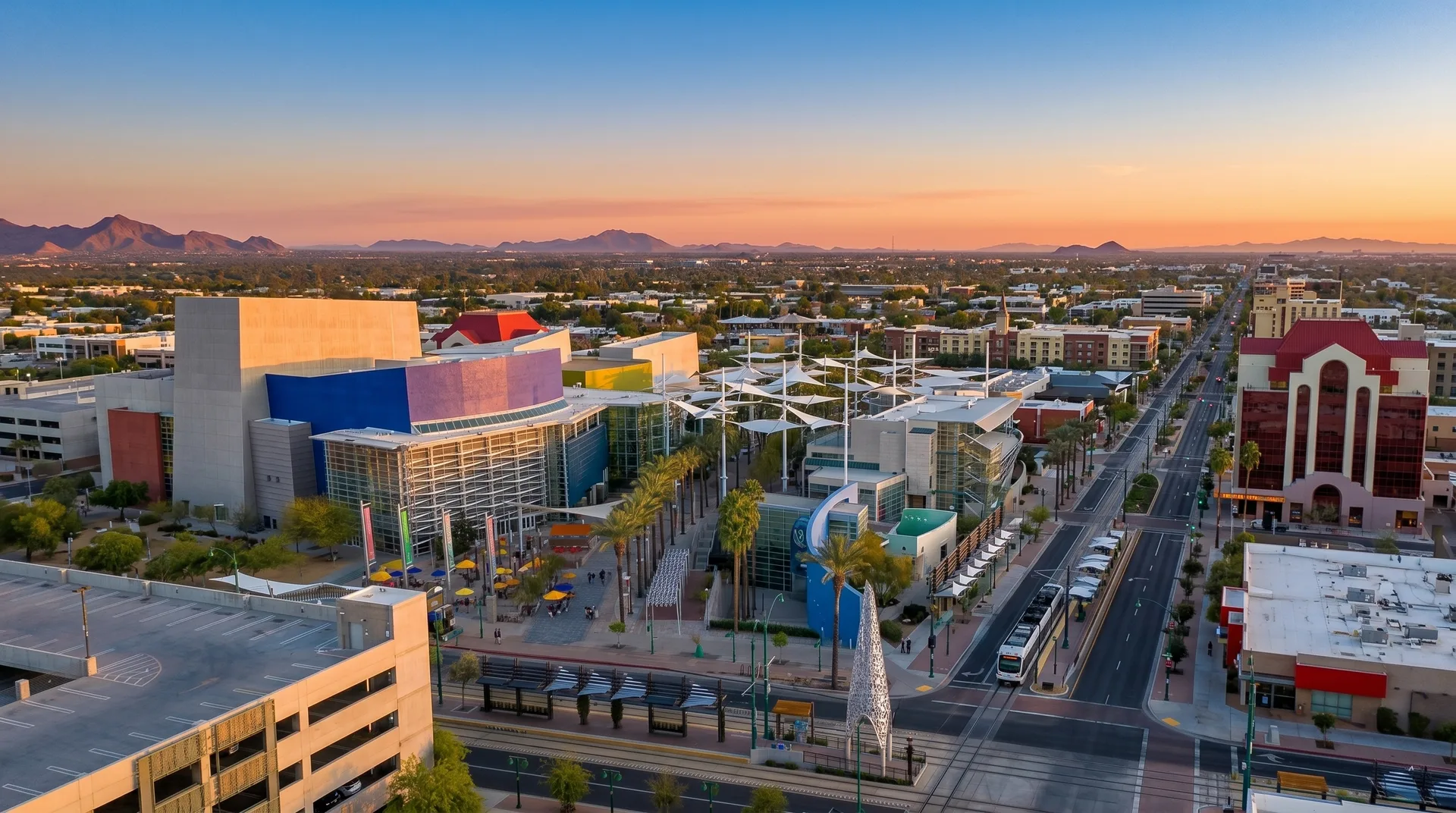
Mesa
Mesa, Arizona serves as a strategic logistics hub in the southwestern United States, benefiting from its proximity to Phoenix and excellent transportation infrastructure. The city's location provides direct access to major highways including US-60 and Loop 202, connecting to the broader Phoenix metropolitan area's extensive transportation network. Mesa's economic landscape includes advanced manufacturing, aerospace and defense industries, electronics production, and a growing technology sector, all of which generate substantial freight transportation demand.
The city's industrial base is supported by Phoenix-Mesa Gateway Airport and nearby Phoenix Sky Harbor International Airport, facilitating air cargo operations. The region's manufacturing facilities and distribution centers rely heavily on efficient ground transportation to connect with national markets. Mesa's strategic position in the Sun Corridor, a major economic region stretching from Phoenix to Tucson, makes it an ideal origin point for freight moving to eastern destinations like Philadelphia, leveraging the city's manufacturing capabilities and distribution infrastructure.
 Destination
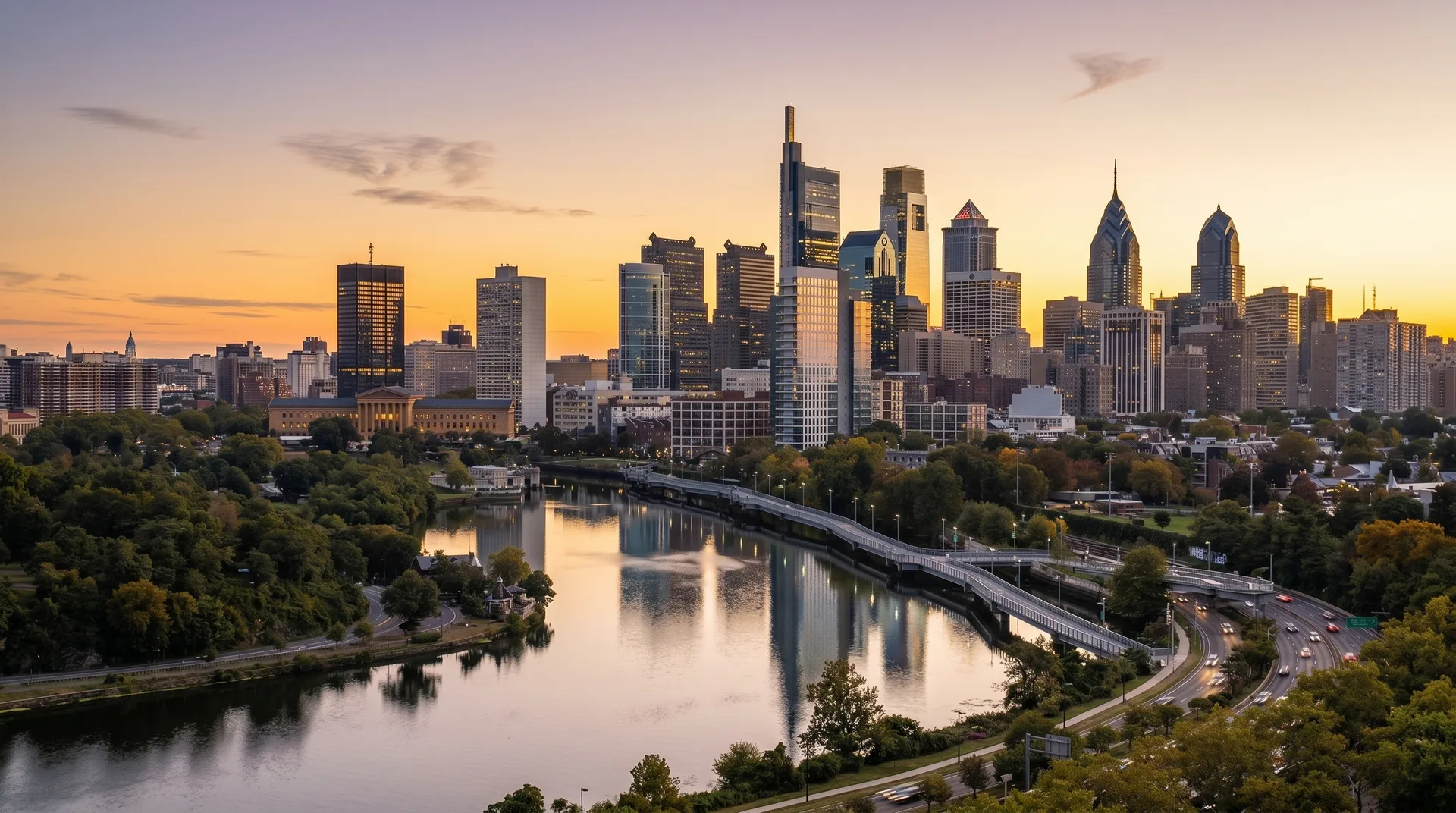
Philadelphia
Philadelphia, Pennsylvania stands as a critical logistics and industrial center on the East Coast, strategically positioned to serve the Northeast Corridor's dense population and manufacturing base. The city's Port of Philadelphia provides access to international shipping routes, while its extensive highway network includes I-95, I-76, and I-676, connecting to major eastern markets. Philadelphia's location offers proximity to New York City, Washington D.C., and Boston, making it an ideal distribution point for regional freight operations.
The city's economic profile encompasses pharmaceuticals and biotechnology, with major companies headquartered in the region, along with food processing, chemicals, and advanced manufacturing. Philadelphia's industrial heritage continues to drive freight demand, particularly for specialized cargo including medical supplies, industrial equipment, and consumer goods. The city's robust transportation infrastructure, including rail connections and trucking terminals, supports efficient distribution throughout the northeastern United States, making it a key destination for freight originating from western production centers like Mesa.










