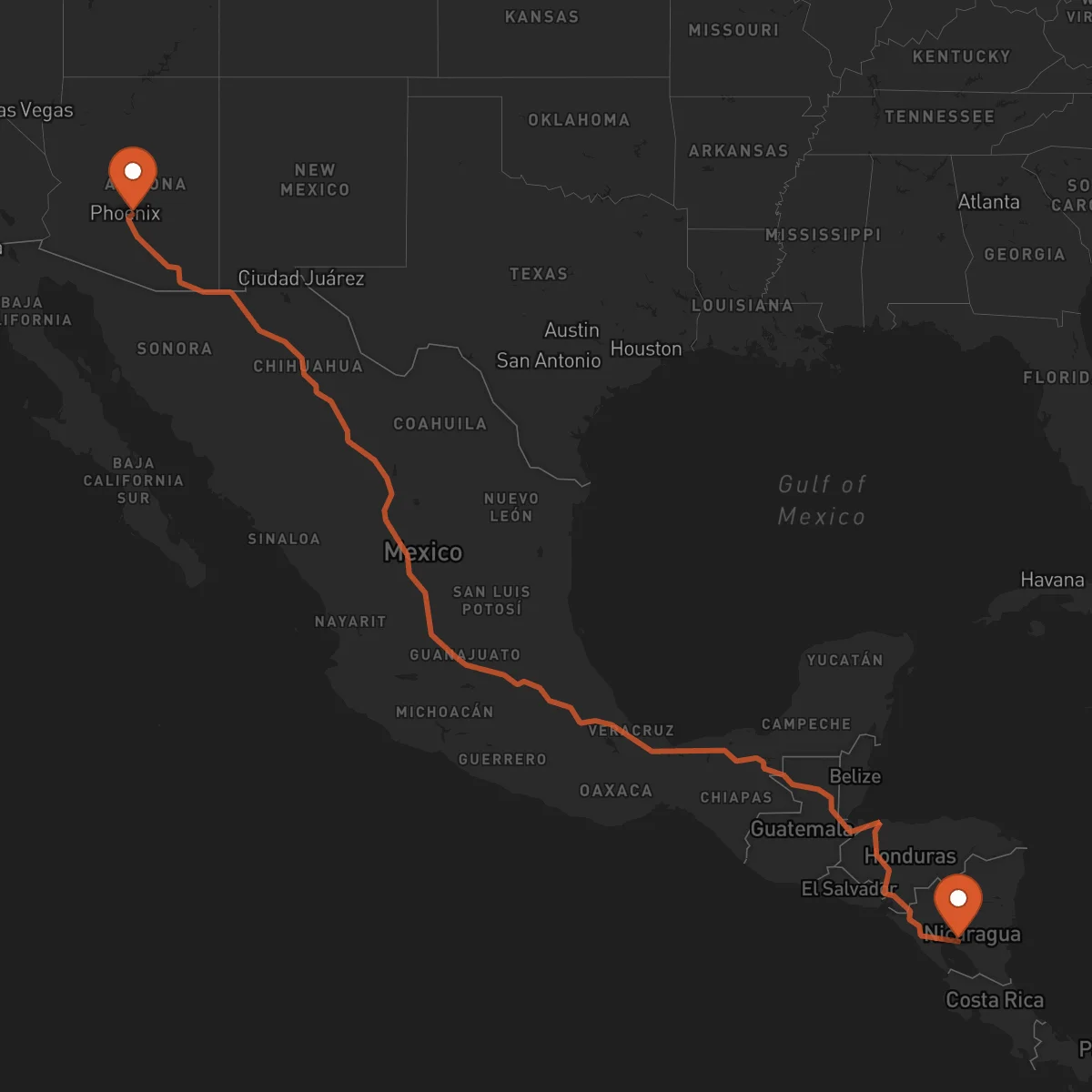
Mesa to Juigalpa
Juigalpa → MesaFTL freight transportation service between Mesa and Juigalpa. Reliable logistics solutions for your business.
Route Description
Everything you need to know about the corridor Mesa - Juigalpa
The Mesa, Arizona to Juigalpa, Nicaragua corridor represents a critical logistics connection spanning over 3,582 kilometers across North America and Central America. This cross-border route links the industrial heartland of the southwestern United States with the agricultural and commercial center of Nicaragua, facilitating the movement of diverse cargo types between these strategic locations. The corridor traverses multiple countries, requiring expertise in international freight regulations, customs procedures, and cross-border documentation.
The route primarily utilizes major transportation infrastructure including the I-10 and I-35 corridors through the United States, connecting to Mexican Federal Highways 45 and 180, before continuing through the CA-1 Pan-American Highway into Nicaragua. Key border crossings include Nogales and El Paso in the US-Mexico border, and various points along the Mexico-Guatemala and Guatemala-Nicaragua borders. Control Terrestre's extensive network of certified carriers ensures seamless operations across all jurisdictions, with C-TPAT, FAST, and BASC certifications facilitating expedited customs clearance.
This corridor serves industries ranging from manufacturing and electronics to agricultural products and consumer goods. The route's strategic importance lies in connecting Mesa's robust industrial base with Nicaragua's growing import market and distribution networks. Control Terrestre provides dedicated FTL services along this corridor, offering door-to-door transportation with specialized equipment options including dry vans, refrigerated units, and flatbed trailers to accommodate various cargo requirements.
Services for this Route
Available services for the corridor Mesa - Juigalpa
 Origin
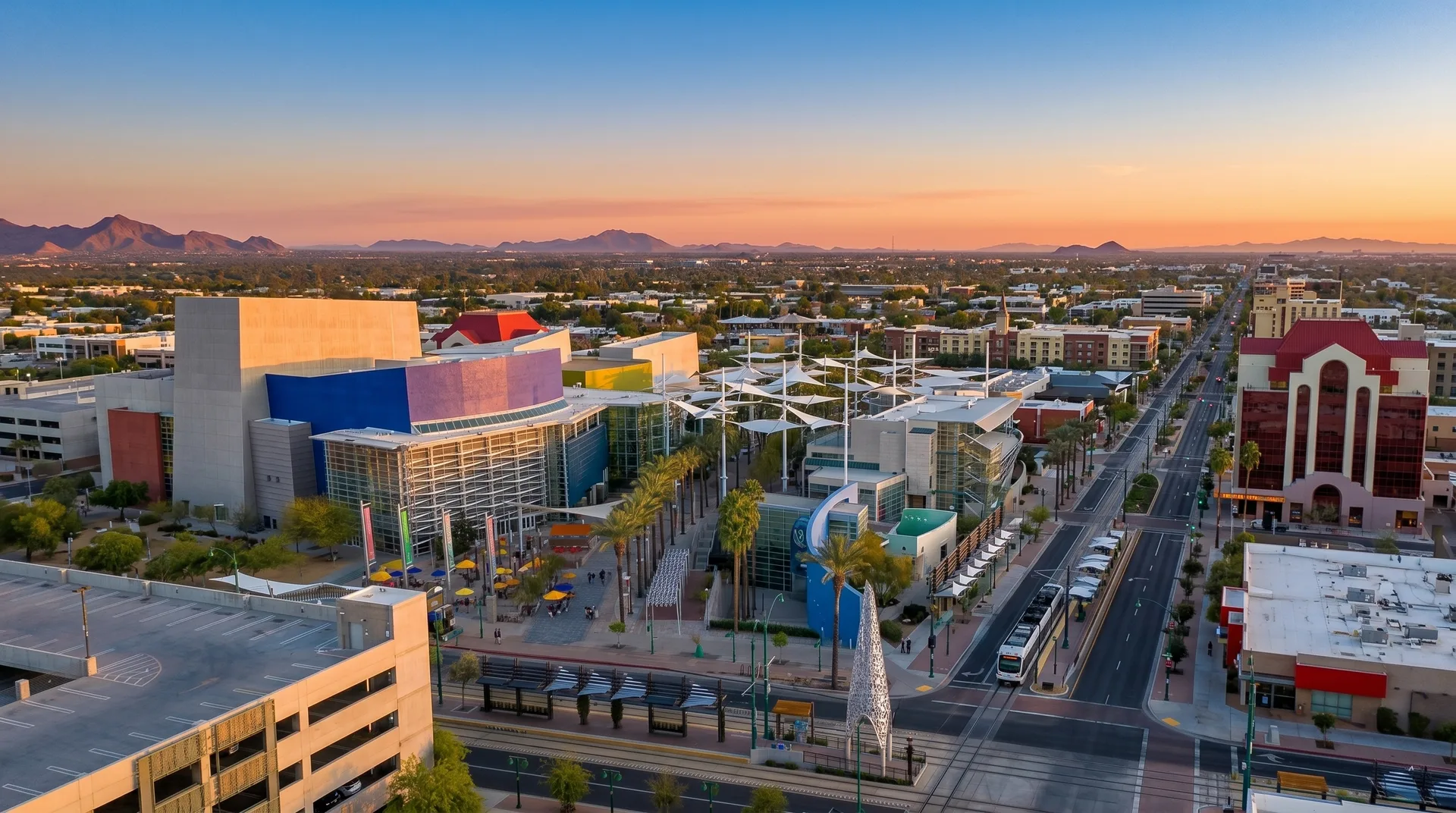
Mesa
Mesa, Arizona serves as a strategic logistics hub in the southwestern United States, located within the Phoenix metropolitan area's extensive transportation network. The city benefits from proximity to Phoenix Sky Harbor International Airport and major interstate highways including I-10, I-17, and Loop 202, providing excellent connectivity for freight movement. Mesa's industrial sector encompasses advanced manufacturing, aerospace, electronics, and food processing industries, generating substantial freight volume requiring reliable transportation solutions.
The region's transportation infrastructure includes multiple intermodal facilities, warehousing centers, and distribution hubs that support efficient cargo consolidation and distribution. Mesa's strategic location at the crossroads of major west-east and north-south freight corridors makes it an ideal origin point for cross-border shipments to Central America. The area's robust logistics ecosystem, combined with its proximity to the US-Mexico border, positions Mesa as a critical gateway for freight destined for markets throughout Mexico and Central America.
 Destination
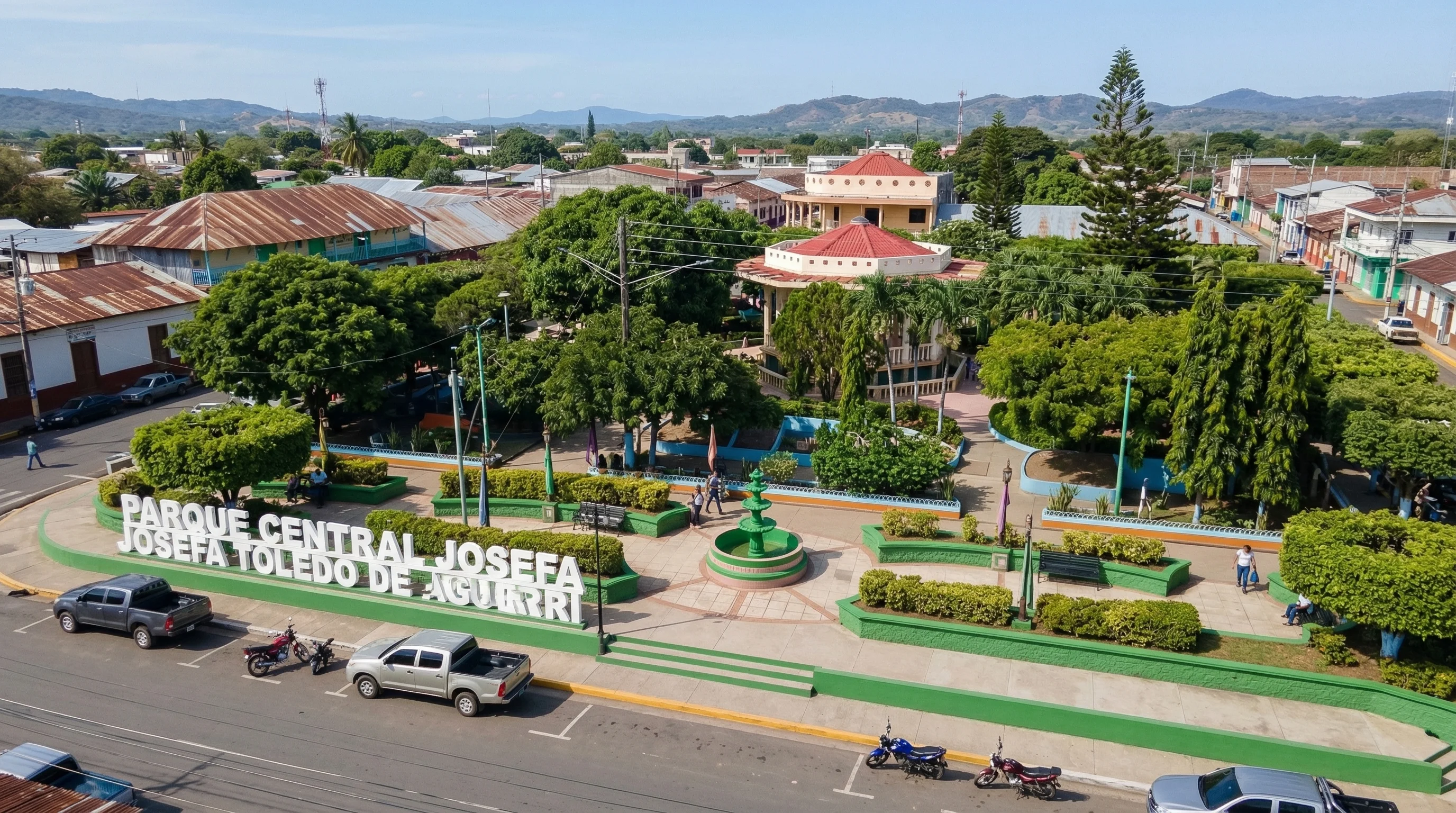
Juigalpa, located in the Chontales department of Nicaragua, serves as a vital commercial and agricultural center in the country's eastern region. The city's strategic position along the CA-1 Pan-American Highway provides essential connectivity to Managua and other major Nicaraguan cities, facilitating regional distribution and trade. Juigalpa's economy is anchored in agriculture, livestock, and emerging commercial activities, creating consistent demand for freight transportation services.
The transportation infrastructure in Juigalpa includes road connections to the capital and other departmental capitals, though the region's logistics network continues developing to meet growing commercial needs. The city functions as a distribution point for agricultural products, consumer goods, and industrial supplies throughout the Chontales region. Control Terrestre's services to Juigalpa support the area's economic development by providing reliable freight connections to suppliers and markets in the United States and Mexico, enabling local businesses to access broader supply chains and distribution networks.










