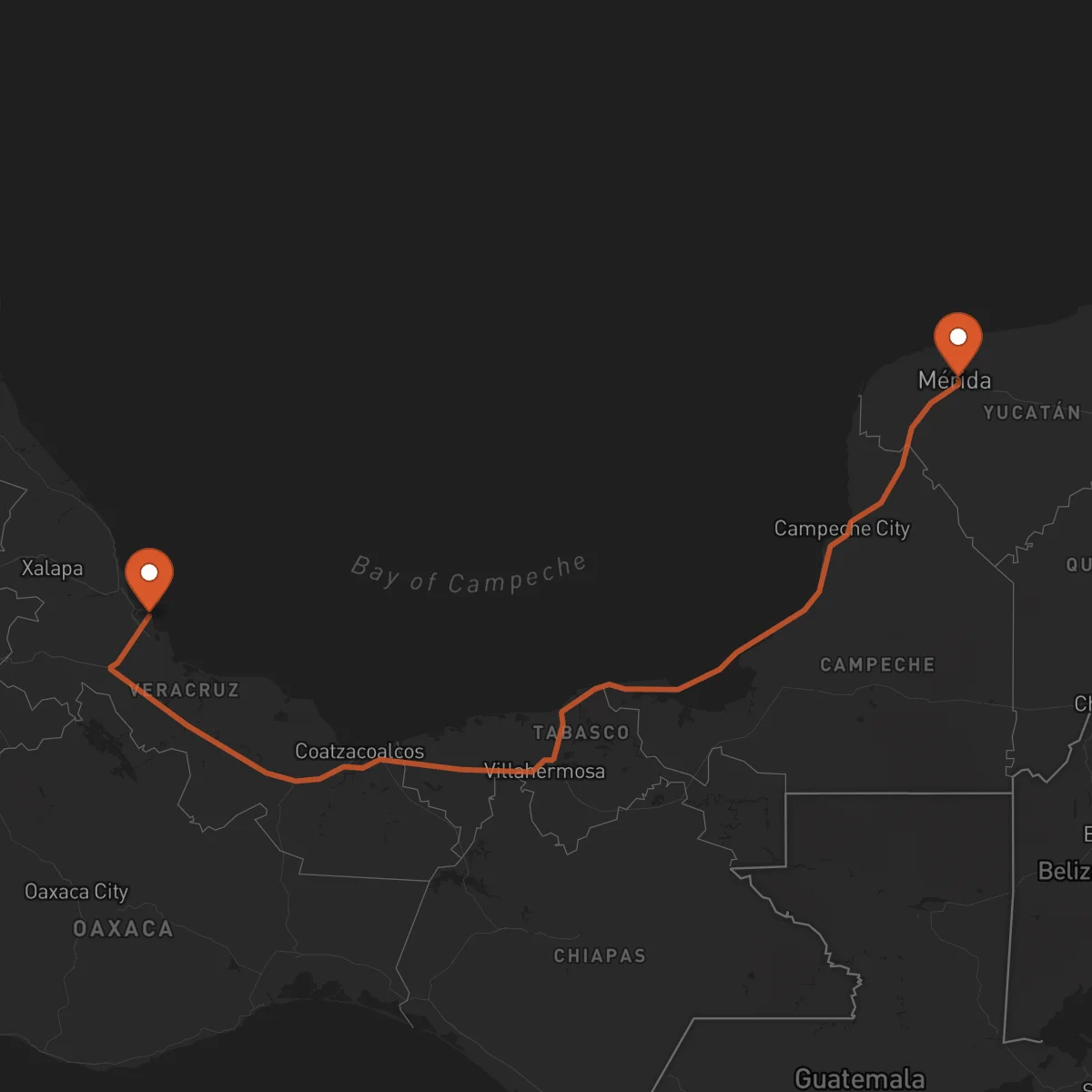
Mérida to Veracruz
Veracruz → MéridaFTL freight transportation service between Mérida and Veracruz. Reliable logistics solutions for your business.
Route Description
Everything you need to know about the corridor Mérida - Veracruz
The Mérida-Veracruz corridor is a vital logistics route connecting the Yucatán Peninsula with the Gulf of Mexico, covering approximately 712 km. This corridor links the industrial and commercial hub of Mérida with the strategic port of Veracruz, facilitating the movement of goods between the southeast and the central-eastern regions of Mexico. The route traverses key states including Yucatán, Campeche, Tabasco, and Veracruz, crossing important economic regions and industrial centers.
The corridor's strategic importance lies in its ability to connect the Yucatán Peninsula's growing manufacturing sector with national and international markets. Mérida serves as a gateway to the southeast, while Veracruz provides access to one of Mexico's most important ports, creating a seamless supply chain for various industries. The route benefits from Mexico's robust transportation infrastructure, including the Cuota Mérida-Cancún and Federal Highway 180, ensuring efficient cargo movement.
Control Terrestre optimizes operations on this corridor by providing dedicated full truckload services, ensuring your cargo moves directly from origin to destination without delays or handling. Our experienced carriers navigate this route efficiently, offering reliable transportation solutions for industries ranging from automotive to agricultural products, helping businesses maintain their competitive edge in today's fast-paced market.
Services for this Route
Available services for the corridor Mérida - Veracruz
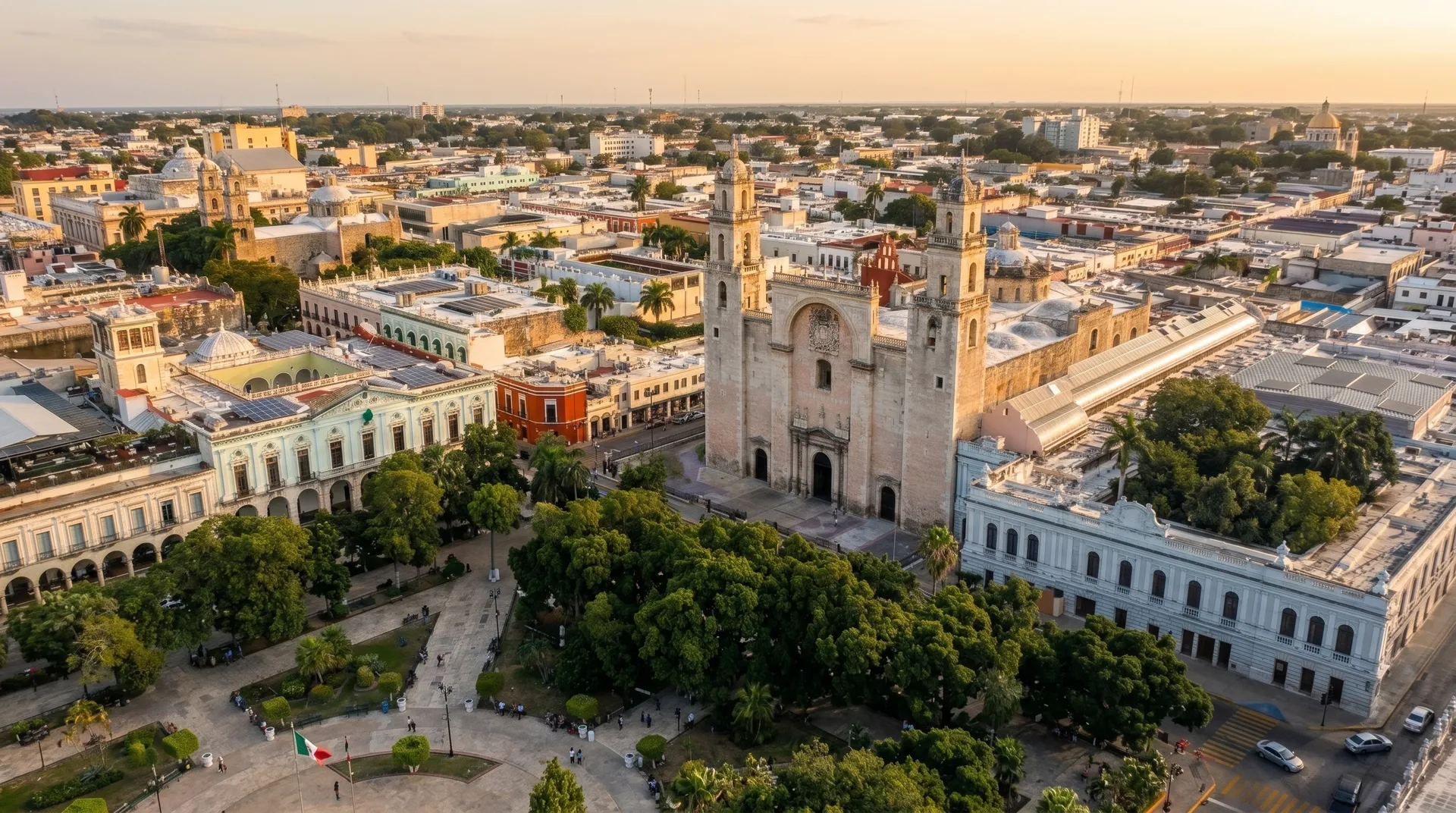 Origin
Mérida, the capital of Yucatán, stands as a strategic logistics hub for the southeast region of Mexico. Located in the heart of the Yucatán Peninsula, it serves as a crucial connection point for trade with Central America and the Caribbean. The city boasts a growing industrial sector, with strong presence in manufacturing, particularly in automotive components, textiles, and food processing. Mérida's infrastructure includes the Manuel Crescencio Rejón International Airport and well-maintained road networks connecting to major ports and border crossings. The city's economic growth has been driven by its strategic location, skilled workforce, and government incentives for industrial development, making it an ideal origin point for freight transportation across the country.
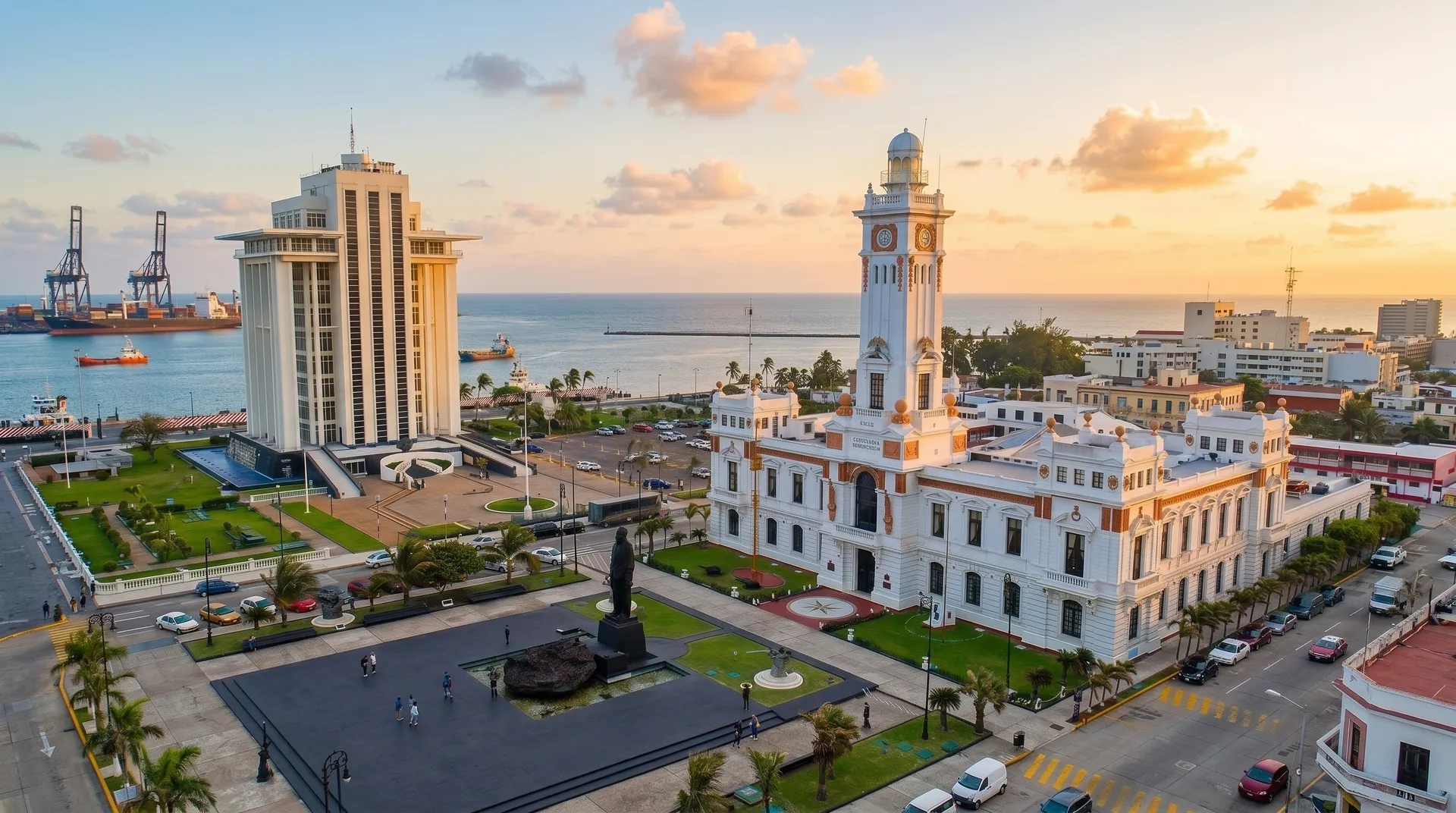 Destination
Veracruz is Mexico's primary Gulf port city and a critical logistics hub for the entire country. Strategically located on the Gulf of Mexico, it hosts the largest port in Mexico, handling a significant portion of the nation's maritime trade. The city's economy is diverse, with strong sectors in petroleum refining, petrochemicals, food processing, and agriculture. Veracruz's infrastructure is exceptionally well-developed, featuring the Port of Veracruz, extensive highway connections including the Mexico City-Veracruz corridor, and rail links to major industrial centers. The city serves as a gateway for both imports and exports, connecting Mexican manufacturers with global markets and facilitating the movement of goods throughout the country's central and southern regions.










