Mérida to Memphis
Memphis → MéridaFTL freight transportation service between Mérida and Memphis. Reliable logistics solutions for your business.
Route Description
Everything you need to know about the corridor Mérida - Memphis
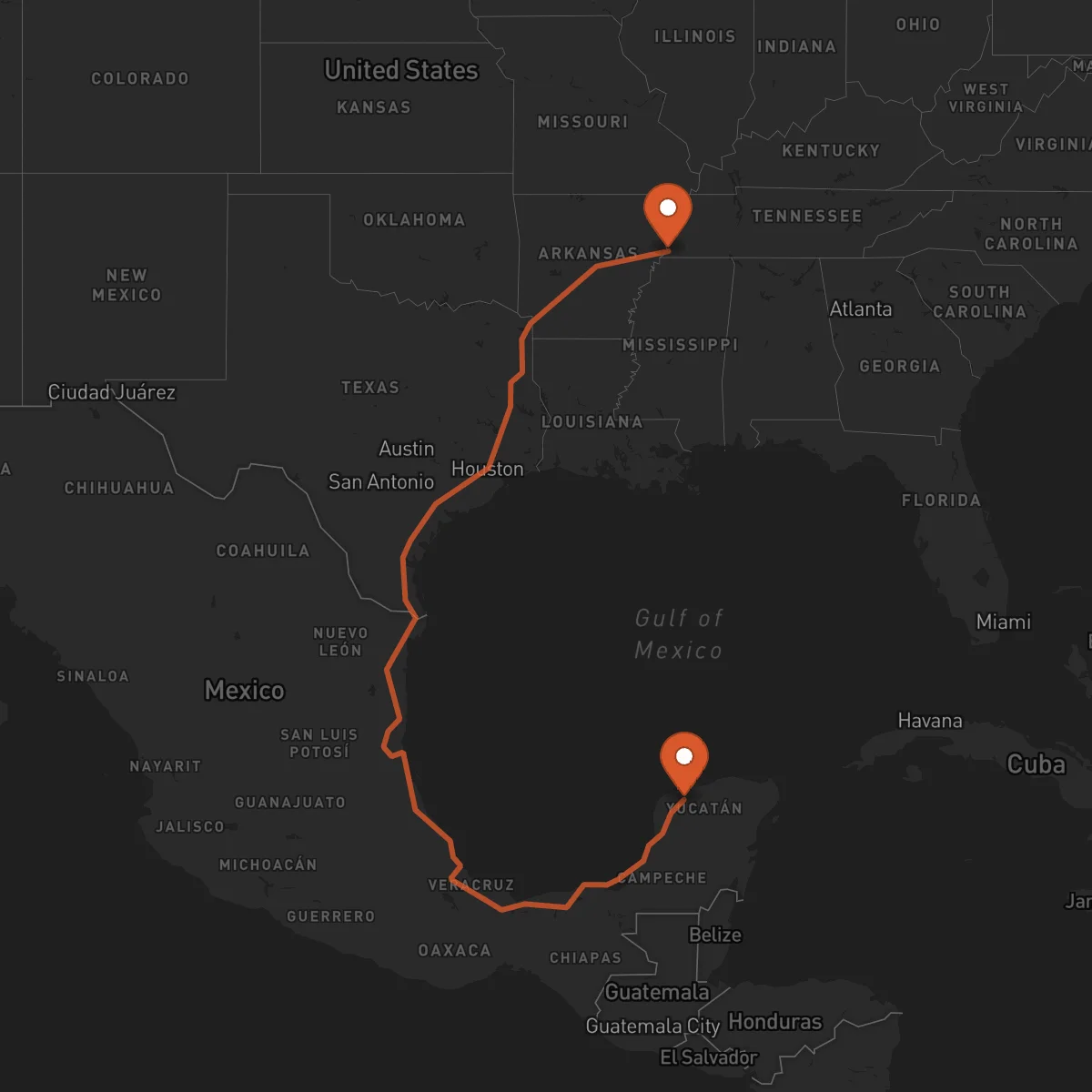
The logistics corridor between Mérida, Yucatán, and Memphis, Tennessee, represents a vital commercial link connecting the southeastern region of Mexico with one of the most important logistics hubs in the United States. This 1,578 km route traverses diverse landscapes and crosses multiple states, facilitating the flow of goods between two dynamic economic regions. The corridor's strategic importance lies in its ability to connect Mexico's growing automotive and manufacturing sectors with the extensive distribution networks centered in Memphis.
The economic context of this corridor reflects the complementary nature of both regions. Mérida serves as a key production center for automotive parts, aerospace components, and agricultural products, while Memphis functions as a major distribution and logistics hub, home to FedEx's global headquarters and numerous warehousing facilities. This synergy creates substantial freight demand moving in both directions, with industries such as automotive, electronics, and consumer goods driving the majority of cross-border traffic.
The transportation infrastructure along this corridor includes major highways such as Mexican Federal Highway 180 and U.S. Interstate 55, providing reliable connectivity between the two cities. Key border crossings, particularly at Laredo or Brownsville, require careful coordination to ensure efficient customs clearance. Control Terrestre specializes in managing these cross-border operations, leveraging our certified carriers and extensive experience to navigate customs requirements, optimize transit times, and provide door-to-door FTL services that keep your supply chain moving smoothly between Mérida and Memphis.
Services for this Route
Available services for the corridor Mérida - Memphis
 Origin
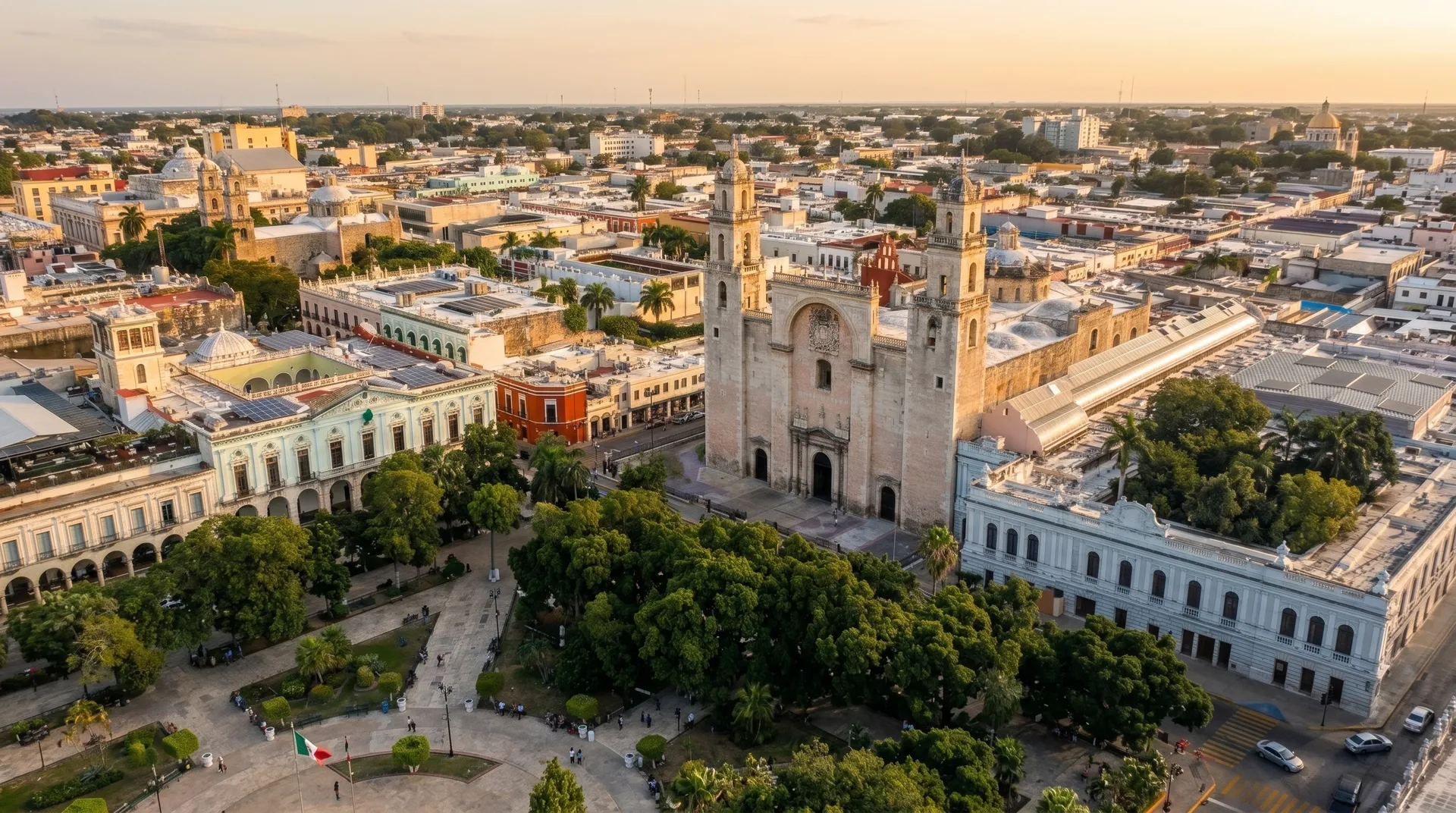
Mérida, the capital of Yucatán, stands as a strategic logistics hub in southeastern Mexico, offering excellent connectivity to both national and international markets. The city's location provides access to major ports such as Progreso, facilitating maritime freight integration, while its proximity to the U.S. border enables efficient cross-border operations. Mérida's transportation infrastructure includes modern highways connecting to Cancún, Villahermosa, and other key Mexican cities, as well as the Manuel Crescencio Rejón International Airport for air cargo services.
The economic landscape of Mérida is characterized by a diverse industrial base, with automotive manufacturing leading the way, followed by aerospace, medical devices, and food processing industries. The region has attracted significant foreign investment, particularly in the automotive sector, with numerous OEM and tier suppliers establishing operations. Additionally, Mérida's strong agricultural sector produces tropical fruits, honey, and other commodities that contribute to the freight volume moving through this corridor.
 Destination
Memphis
Memphis, Tennessee, serves as one of North America's most critical logistics and distribution centers, strategically positioned in the heart of the United States. The city's location at the crossroads of major interstate highways (I-40, I-55, I-69) provides unparalleled access to a vast network of destinations across the country. Memphis International Airport, the world's second-busiest cargo airport, and the city's extensive rail connections create a multimodal transportation ecosystem that supports efficient freight movement.
The economic profile of Memphis is dominated by logistics, distribution, and transportation industries, with major corporations such as FedEx, AutoZone, and International Paper headquartered in the area. The region also has strong manufacturing sectors, including automotive (with plants like the BlueOval City project nearby), healthcare, and food processing. Memphis's central location allows companies to reach over 75% of the U.S. population within a two-day truck drive, making it an ideal destination for companies seeking to optimize their distribution networks and reduce overall transportation costs.










