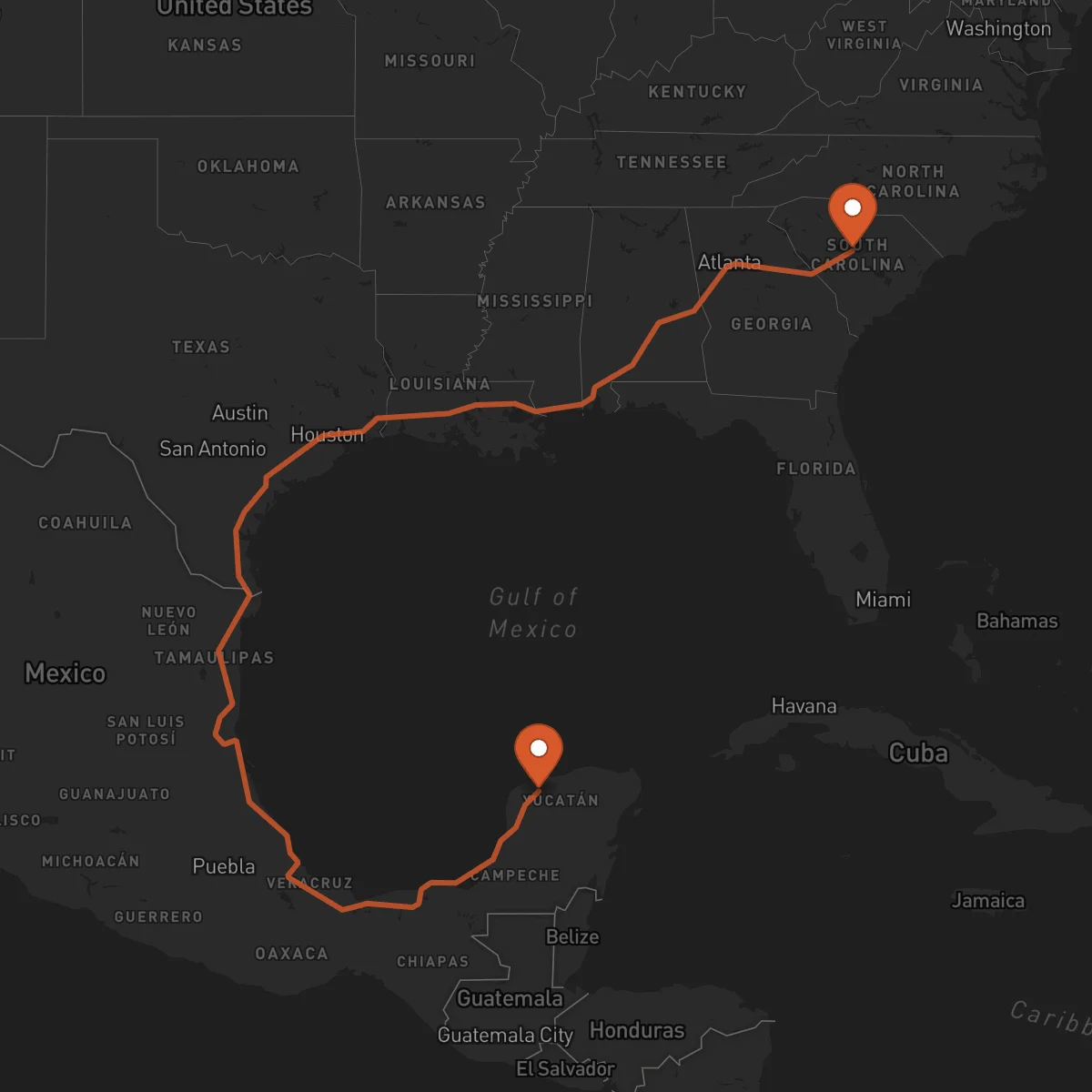
Mérida to Columbia
Columbia → MéridaFTL freight transportation service between Mérida and Columbia. Reliable logistics solutions for your business.
Route Description
Everything you need to know about the corridor Mérida - Columbia
The Mérida-Columbia corridor represents a strategic cross-border connection linking the vibrant industrial hub of Yucatán with the growing logistics center of South Carolina. This 1,675 km route traverses diverse terrain and crosses multiple state lines, serving as a vital artery for North American trade. The corridor facilitates the movement of goods between Mexico's southeastern manufacturing powerhouse and the southeastern United States' distribution networks.
The economic significance of this route extends beyond simple transportation. Mérida's proximity to automotive manufacturing plants, aerospace facilities, and agricultural processing centers creates a steady flow of specialized cargo. Meanwhile, Columbia's strategic location in the Piedmont region positions it as a gateway to major southeastern markets, including Atlanta, Charlotte, and Charleston. The corridor supports industries ranging from automotive parts and electronics to perishable goods and industrial equipment.
Transportation infrastructure along this route includes Mexico's Federal Highway 180 and Federal Highway 186, connecting to major U.S. interstates such as I-20 and I-77. Key border crossings at Laredo or Brownsville provide access to U.S. networks, with multiple route options to optimize for distance, time, or specific cargo requirements. Control Terrestre's expertise in cross-border operations ensures seamless customs clearance and compliance with all regulatory requirements, minimizing delays and maximizing efficiency for our clients' shipments.
Services for this Route
Available services for the corridor Mérida - Columbia
 Origin
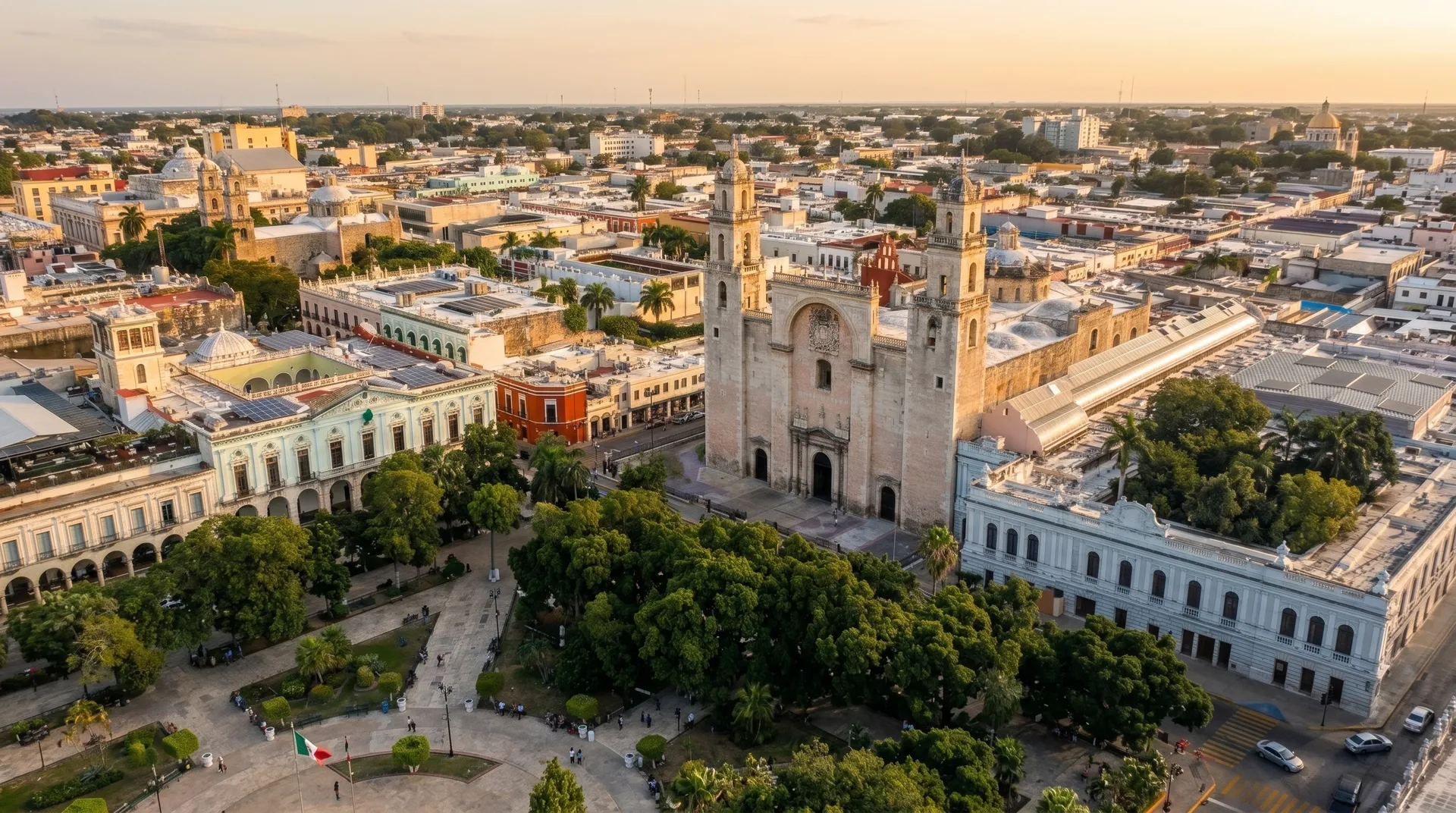
Mérida, the capital of Yucatán, serves as a strategic logistics hub in southeastern Mexico. Its location provides access to major manufacturing centers in the Yucatán Peninsula, including automotive plants, aerospace facilities, and agricultural processing centers. The city's industrial parks and free trade zone infrastructure support a diverse range of export-oriented industries. Mérida's transportation network includes the Manuel Crescencio Rejón International Airport and connections to major highways leading north to the U.S. border and east to Caribbean ports.
 Destination
Columbia
Columbia, South Carolina, occupies a strategic position in the southeastern United States, serving as a distribution nexus for the Piedmont region. The city's location provides excellent access to major southeastern markets within a day's drive, including Atlanta, Charlotte, and Charleston. Columbia's logistics infrastructure includes the Columbia Metropolitan Airport, multiple interstate highways (I-20, I-77, I-26), and proximity to major rail terminals. The region's diverse economy encompasses automotive manufacturing, healthcare, education, and government services, creating consistent demand for freight transportation services.










