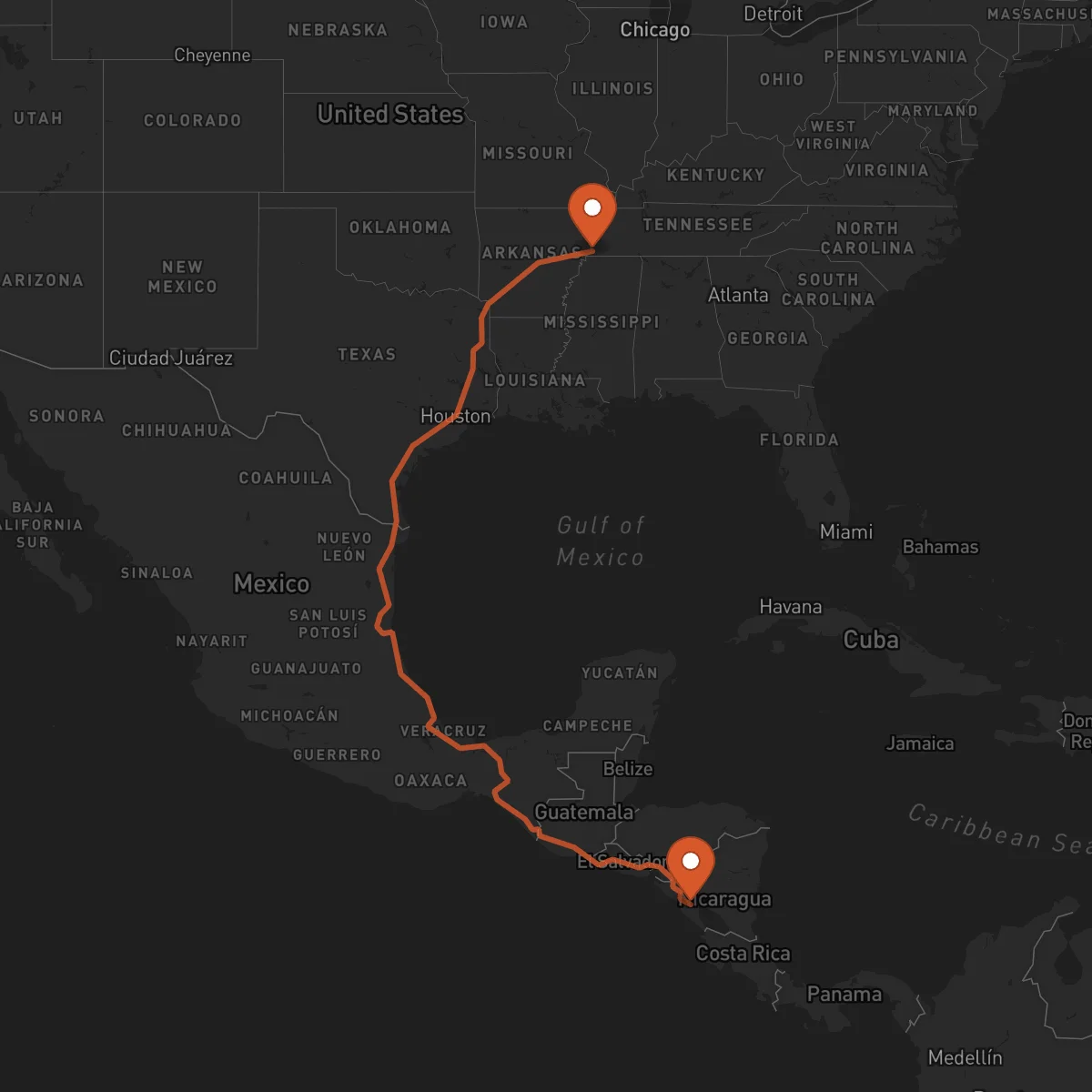
Memphis to Managua
Managua → MemphisFTL freight transportation service between Memphis and Managua. Reliable logistics solutions for your business.
Route Description
Everything you need to know about the corridor Memphis - Managua
The Memphis to Managua corridor represents a vital logistics connection between the United States and Central America. This cross-border route spans approximately 2,590 kilometers, traversing key commercial hubs and industrial zones. The corridor's strategic importance lies in its ability to connect the robust manufacturing and distribution capabilities of Memphis with the growing consumer markets and industrial base of Nicaragua.
The route primarily utilizes major highway networks including I-40, I-24, and I-69 through the United States, transitioning into Mexican Federal Highways and Central American road systems. Key border crossings at Laredo/Nuevo Laredo and El Salvador/Honduras facilitate smooth transit between countries. The corridor serves diverse industries including automotive parts, electronics, consumer goods, and agricultural products, with particular emphasis on just-in-time delivery requirements for manufacturing sectors.
Control Terrestre provides comprehensive full truckload (FTL) services along this corridor, leveraging our network of certified carriers and strategic partnerships. Our expertise in cross-border logistics ensures efficient customs clearance, proper documentation handling, and real-time shipment tracking. We understand the unique challenges of this route, including varying regulatory requirements and infrastructure conditions, allowing us to optimize transit times and ensure reliable delivery from origin to destination.
Services for this Route
Available services for the corridor Memphis - Managua
 Origin
Memphis
Memphis, Tennessee stands as a crucial logistics hub in the southeastern United States. Its strategic location at the intersection of major interstate highways (I-40, I-55, and I-69) and its position along the Mississippi River make it an ideal distribution center. The city hosts the second busiest cargo airport in the world, Memphis International Airport, and serves as the headquarters for major logistics companies. Key industries include healthcare, manufacturing, transportation and logistics, with a strong presence of automotive suppliers, food processing, and distribution centers serving the entire Midwest and Southeast regions.
 Destination
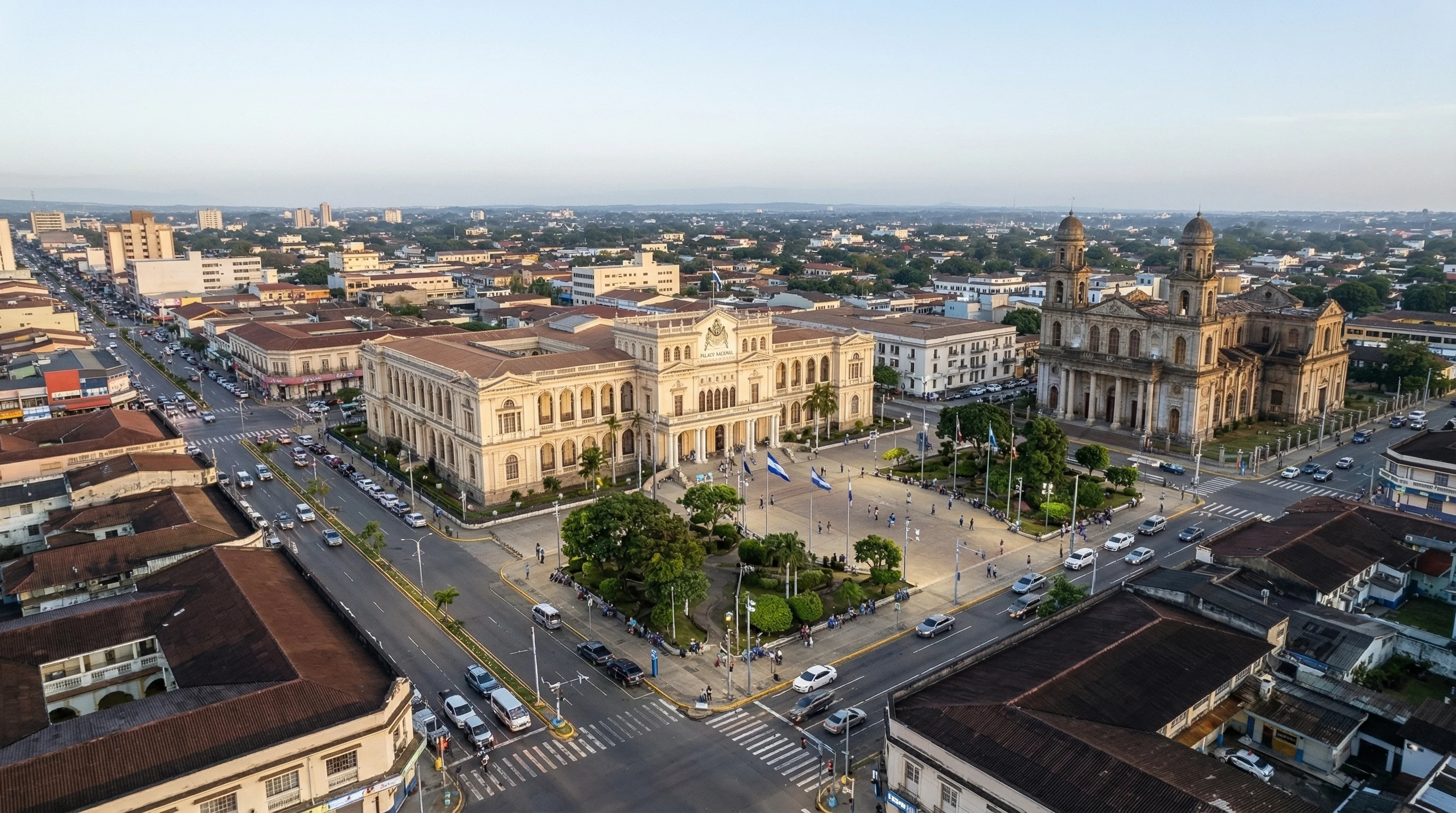
Managua, the capital of Nicaragua, serves as the primary commercial and industrial center of the country. Located in the Pacific lowlands region, it provides strategic access to both Pacific ports and Central American trade routes. The city's economy is driven by trade, manufacturing, construction, and services. Managua's industrial parks host electronics assembly, textiles, and food processing operations. The city's infrastructure includes Augusto C. Sandino International Airport and well-developed road networks connecting to other Central American capitals, making it an essential gateway for international trade and distribution throughout the region.










