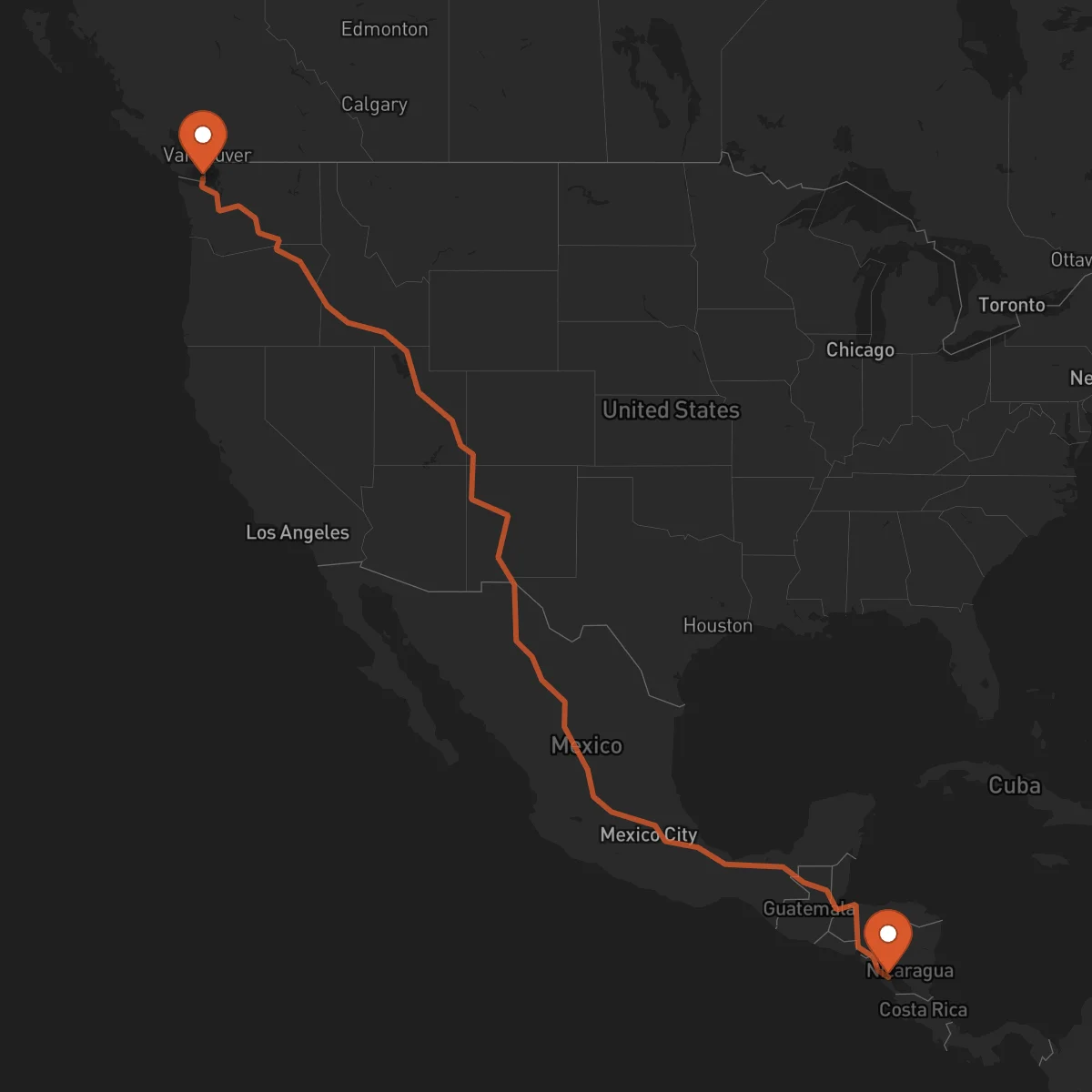
Masaya to Victoria
Victoria → MasayaFTL freight transportation service between Masaya and Victoria. Reliable logistics solutions for your business.
Route Description
Everything you need to know about the corridor Masaya - Victoria
This cross-border corridor connects Masaya, Nicaragua, to Victoria, British Columbia, Canada, spanning approximately 5315 kilometers. It represents a vital link for North American trade, enabling the movement of full truckload cargo across three distinct national markets. The strategic importance of this route lies in its ability to unify supply chains from Central America to the Pacific Northwest of North America.
The economic context of the region is dynamic, with Central American manufacturing and agricultural sectors integrating with the advanced industrial and resource-based economies of Canada. This corridor supports key industries such as automotive parts, agricultural products, and manufacturing components. The primary transportation infrastructure relies on major national highways, including the Pan-American Highway system, which provides the backbone for long-haul transit through Central America and into North America.
Border crossings are a critical element, requiring seamless coordination with customs authorities in both Nicaragua and Canada. Control Terrestre leverages its network of certified providers, who hold credentials such as C-TPAT and FAST, to ensure compliance and efficiency. We facilitate operations on this corridor by managing dedicated and full truckload services, including specialized cargo needs, ensuring that freight moves smoothly from origin to destination through intermodal and ground transportation solutions.
Our focus is on providing a reliable and professional FTL service that navigates the complexities of this international route.
Services for this Route
Available services for the corridor Masaya - Victoria
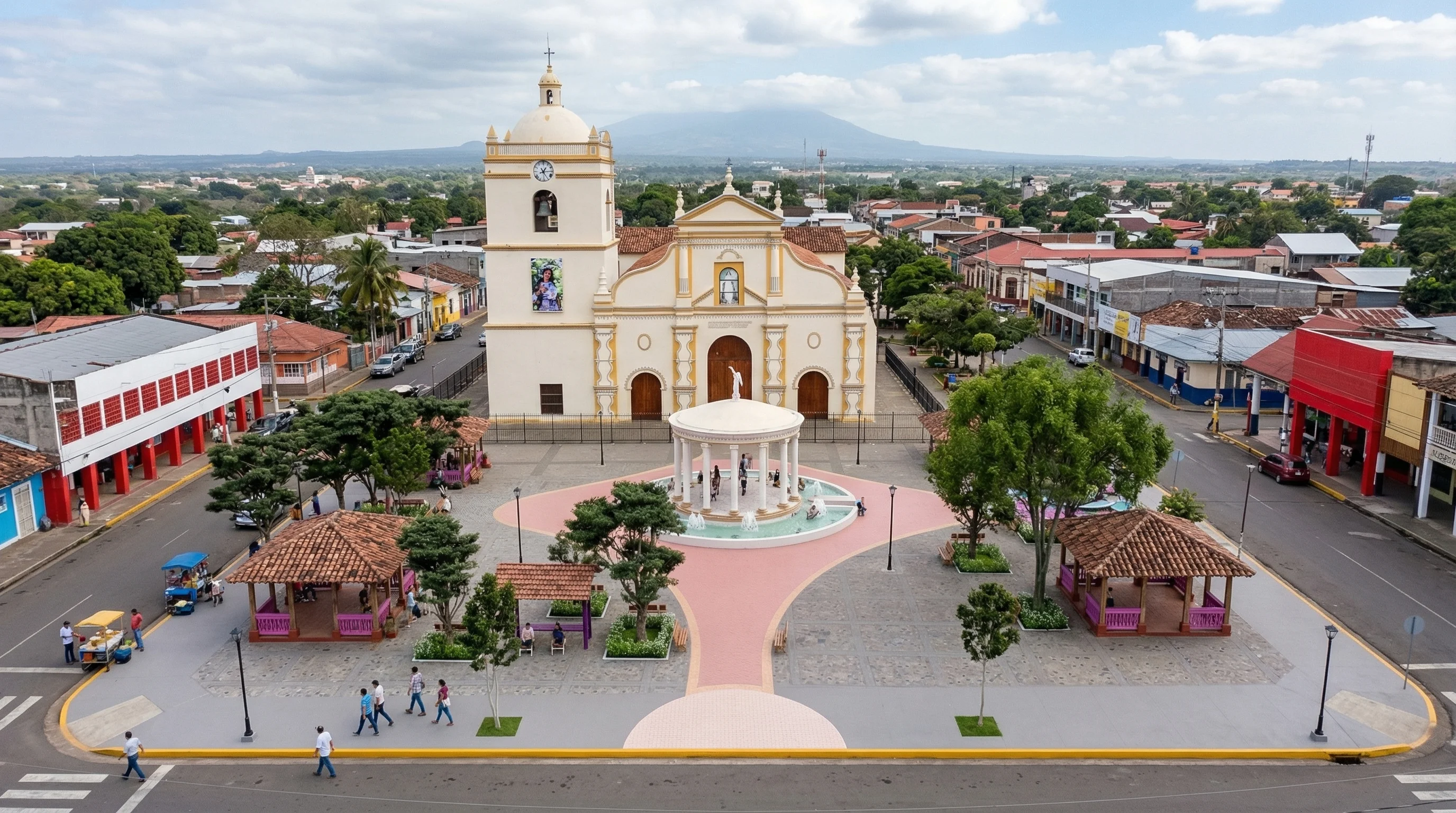 Origin
Masaya serves as a strategic logistics hub within Nicaragua, offering advantageous access to Central American markets. Its location provides a foundational starting point for exports moving northward. Key economic sectors here include manufacturing and agriculture, driving the need for efficient freight movement. The transportation infrastructure in Masaya connects to the broader regional highway networks, allowing for streamlined pickup and initial transit of goods. This connectivity is essential for initiating cross-border logistics operations effectively.
 Destination
Victoria
Victoria, located in British Columbia, is a significant logistics node on the Pacific coast of Canada. Its strategic position facilitates access to major North American and Asian markets, bolstering industries such as natural resources, manufacturing, and technology. The area is supported by robust transportation infrastructure, including ports and major highways, which enable the efficient distribution of cargo. This infrastructure is vital for the final leg of the journey, ensuring that full truckload deliveries are integrated into the broader supply chain.










