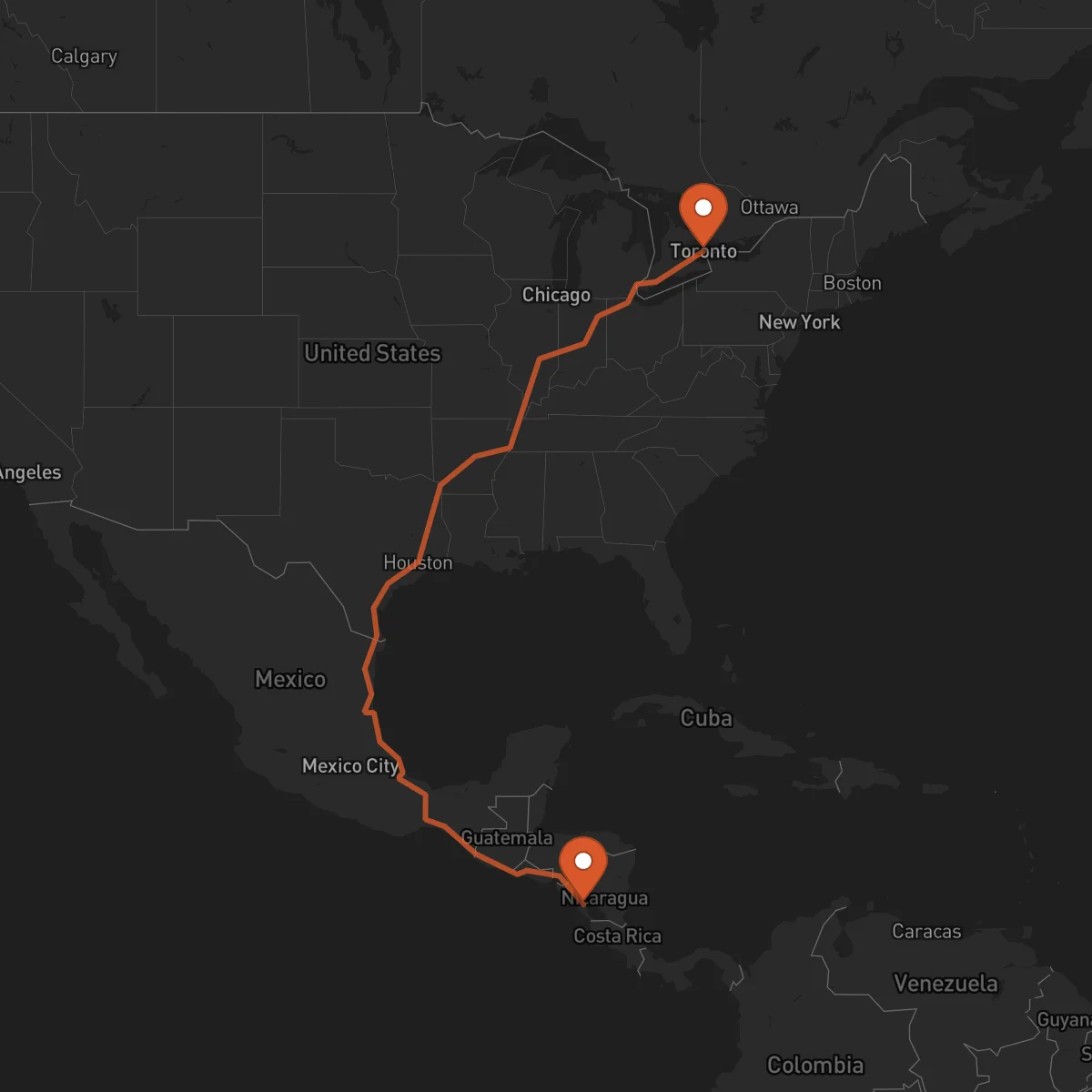
Masaya to Toronto
Toronto → MasayaFTL freight transportation service between Masaya and Toronto. Reliable logistics solutions for your business.
Route Description
Everything you need to know about the corridor Masaya - Toronto
The logistics corridor connecting Masaya, Nicaragua, to Toronto, Canada, represents a vital trade artery linking Central American production hubs with North American markets. This cross-border route underscores the strategic integration of regional economies, enabling the efficient movement of goods over approximately 3581 kilometers. The corridor is fundamental for businesses requiring reliable FTL transportation across diverse territories, demanding seamless coordination and expertise in navigating international frameworks.
Economically, the region benefits from robust industrial activity, particularly in manufacturing and agriculture. This corridor supports the flow of finished goods and raw materials that fuel these sectors. Key transportation infrastructure includes the Pan-American Highway system, which provides the primary overland route connecting various points through both countries. Navigating this path involves critical border crossings where customs procedures must be meticulously managed to ensure compliant and smooth transitions.
Control Terrestre leverages its extensive network of specialized providers, certified in compliance regimes such as C-TPAT and FAST, to facilitate operations on this corridor. We manage the complexities of cross-border FTL freight, utilizing equipment like dry vans and refrigerated units to handle varied cargo requirements. Our focus is on optimizing the chain through dedicated services and hazardous materials capabilities, ensuring your shipments move efficiently from origin to destination.
The main industries utilizing this corridor span automotive, agricultural products, and manufactured goods, requiring sophisticated logistics solutions.
Services for this Route
Available services for the corridor Masaya - Toronto
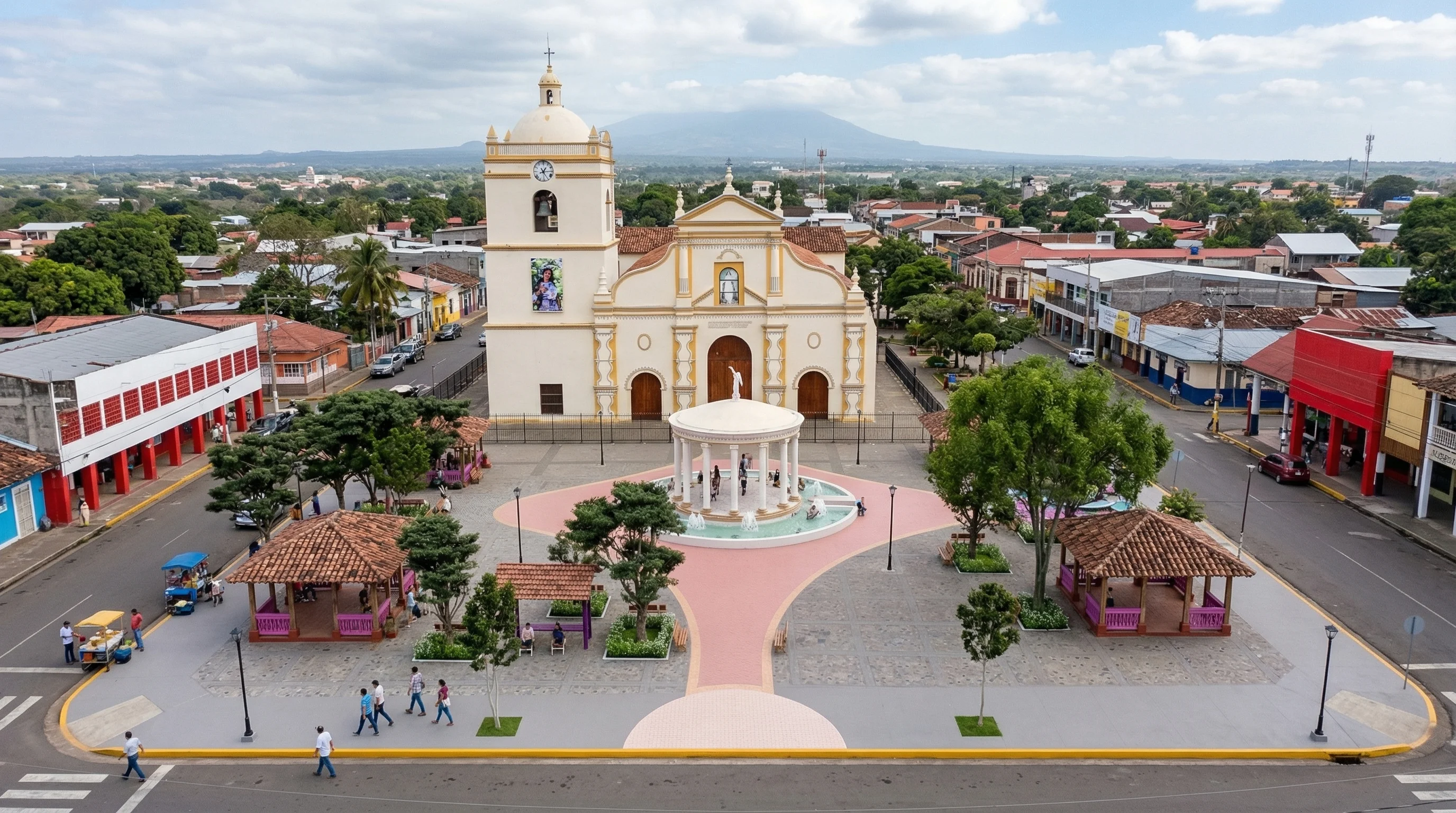 Origin
Masaya holds a strategic position as a logistics origin point due to its location within a key industrial and agricultural region of Nicaragua. The city serves as a central node for production and distribution, with access to primary transport routes that feed into the national highway network. This infrastructure supports the movement of diverse cargo types, including agricultural produce and manufactured components, aligning with the needs of export-oriented sectors. The availability of robust transportation frameworks ensures that goods can be consolidated effectively for long-haul transit northward.
Industries in Masaya include food processing, textiles, and light manufacturing, forming the economic base that generates significant freight flows. The transportation infrastructure here is designed to integrate with regional routes, allowing for the efficient loading of specialized equipment such as tankers and flatbeds. This connectivity is crucial for initiating shipments that require specialized handling or temperature control, setting a reliable foundation for the cross-border journey.
 Destination
Toronto stands as a major logistics destination and a critical hub for North American commerce, offering extensive connectivity and market access. Its strategic location on the Great Lakes and advanced infrastructure make it a focal point for distribution across Canada and beyond. The city’s transportation network accommodates high volumes of FTL freight through diverse modes, ensuring that goods can be received, stored, and redistributed with high efficiency. This infrastructure supports complex supply chains demanding precision and reliability.
The primary industries driving Toronto’s economy include finance, technology, advanced manufacturing, and wholesale trade, creating a dynamic demand for specialized logistics services. Transportation infrastructure encompasses major highways, intermodal facilities, and access to ports, allowing for the seamless integration of different cargo streams. Control Terrestre’s network is equipped to handle the specific requirements of this destination, utilizing refrigerated units for perishables and specialized equipment for oversized loads, ensuring your cargo is managed with professional care.










