Masaya to Saint Paul
Saint Paul → MasayaFTL freight transportation service between Masaya and Saint Paul. Reliable logistics solutions for your business.
Route Description
Everything you need to know about the corridor Masaya - Saint Paul
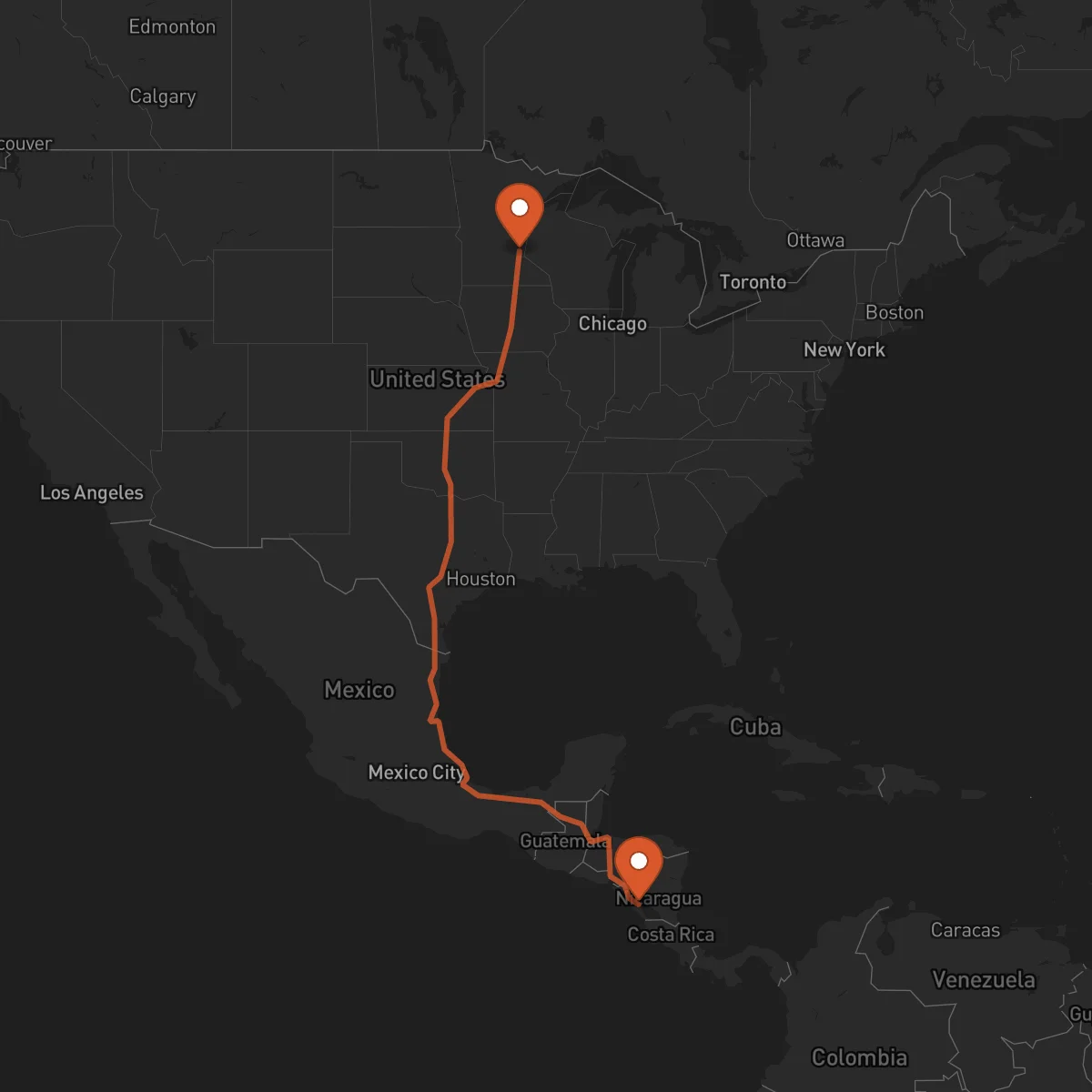
The logistics corridor connecting Masaya, Nicaragua to Saint Paul, Minnesota represents a vital cross-border freight transportation route spanning approximately 3,728 kilometers. This corridor serves as a crucial link between Central America and the Upper Midwest United States, facilitating the movement of diverse cargo types through a combination of road and intermodal transportation. The route traverses multiple countries and requires expert coordination to navigate customs procedures, regulatory requirements, and varying transportation infrastructures. Control Terrestre's extensive network of certified carriers and strategic partnerships ensures seamless freight movement across this international corridor, providing our clients with reliable, full truckload (FTL) transportation solutions that optimize their supply chain operations.
The economic significance of this corridor extends beyond mere distance, connecting the industrial and agricultural sectors of Nicaragua with the manufacturing, distribution, and retail hubs of Minnesota. Saint Paul, as part of the Minneapolis-Saint Paul metropolitan area, serves as a major economic center with strong logistics infrastructure, while Masaya represents an important industrial and commercial hub in Nicaragua. The corridor accommodates various cargo types including manufactured goods, agricultural products, electronics, and industrial equipment, supporting the growing trade relationship between Central America and the United States.
Key transportation infrastructure along this route includes major highways such as CA-1 through Central America, connecting roads through Mexico, and the extensive interstate highway system in the United States. The corridor requires careful coordination at border crossings, particularly at the Mexico-US border, where C-TPAT certified carriers and customs expertise become essential. Control Terrestre's experience with cross-border operations ensures efficient customs clearance and minimizes delays, while our refrigerated transportation capabilities support temperature-sensitive cargo throughout the journey.
Services for this Route
Available services for the corridor Masaya - Saint Paul
 Origin
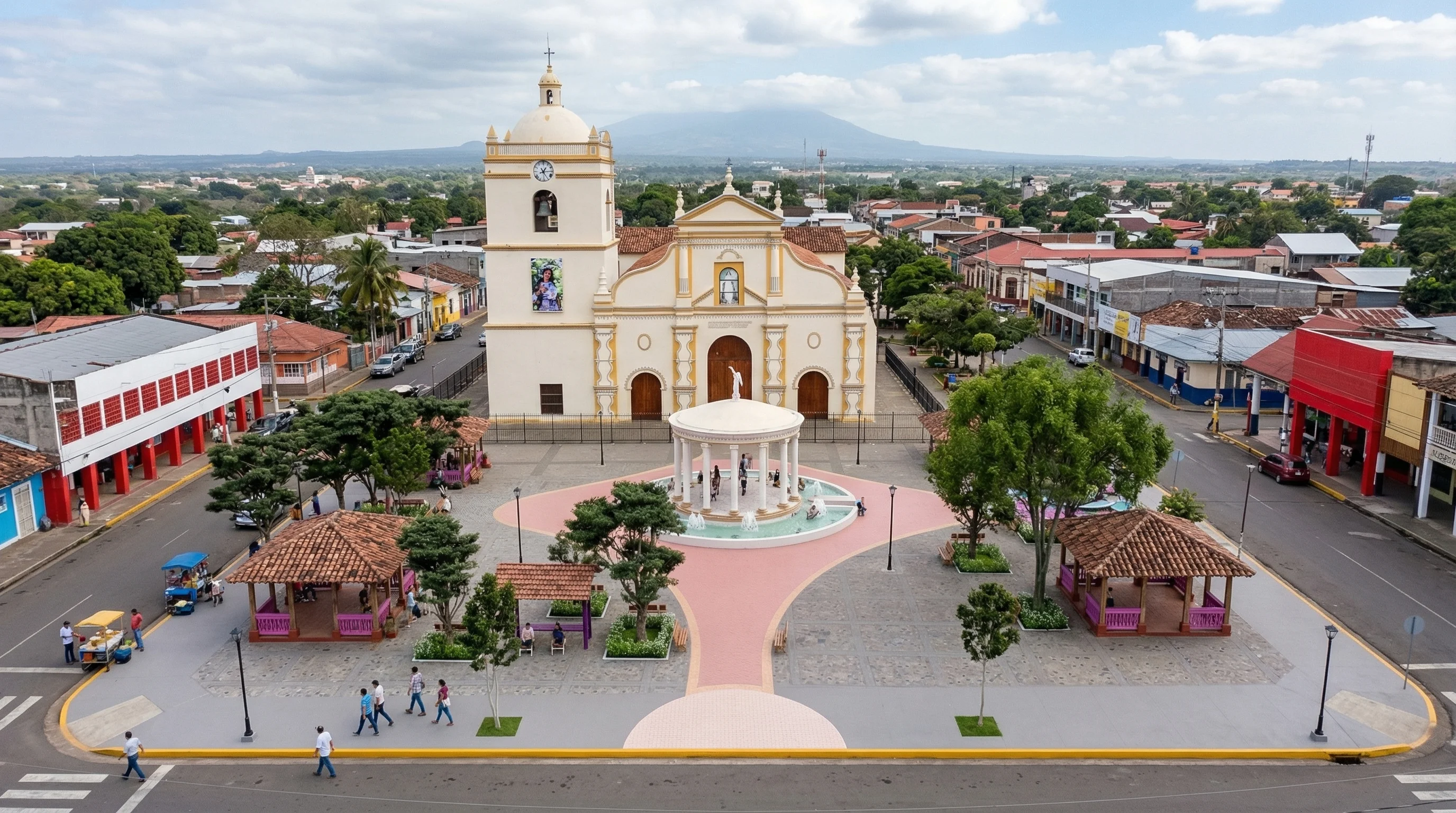
Masaya, located in the Masaya Department of Nicaragua, serves as a strategic logistics hub in Central America. The city benefits from its proximity to Managua, Nicaragua's capital and largest city, providing access to major transportation infrastructure including the Augusto C. Sandino International Airport and key highway connections. Masaya's industrial sector encompasses manufacturing, textiles, food processing, and agricultural product processing, making it an important origin point for diverse freight shipments. The region's economic activities generate consistent freight volumes moving to international markets, particularly the United States. Local transportation infrastructure includes well-maintained highways connecting Masaya to other major Nicaraguan cities and border crossings into neighboring countries.
 Destination
Saint Paul
Saint Paul, Minnesota, as part of the Minneapolis-Saint Paul metropolitan area, stands as a premier logistics destination in the Upper Midwest United States. The region boasts exceptional transportation infrastructure including the Minneapolis-Saint Paul International Airport, extensive interstate highway networks (I-94, I-35E), and proximity to major rail terminals. Saint Paul's strategic location provides efficient distribution access to the broader Midwest region and beyond. The area's diverse economy encompasses manufacturing, healthcare, retail distribution, food processing, and technology sectors, creating substantial demand for inbound freight transportation. The city's logistics infrastructure includes numerous warehousing and distribution centers, making it an ideal destination for cross-border shipments arriving from Central America.










