Manzanillo to Granada
Granada → ManzanilloFTL freight transportation service between Manzanillo and Granada. Reliable logistics solutions for your business.
Route Description
Everything you need to know about the corridor Manzanillo - Granada
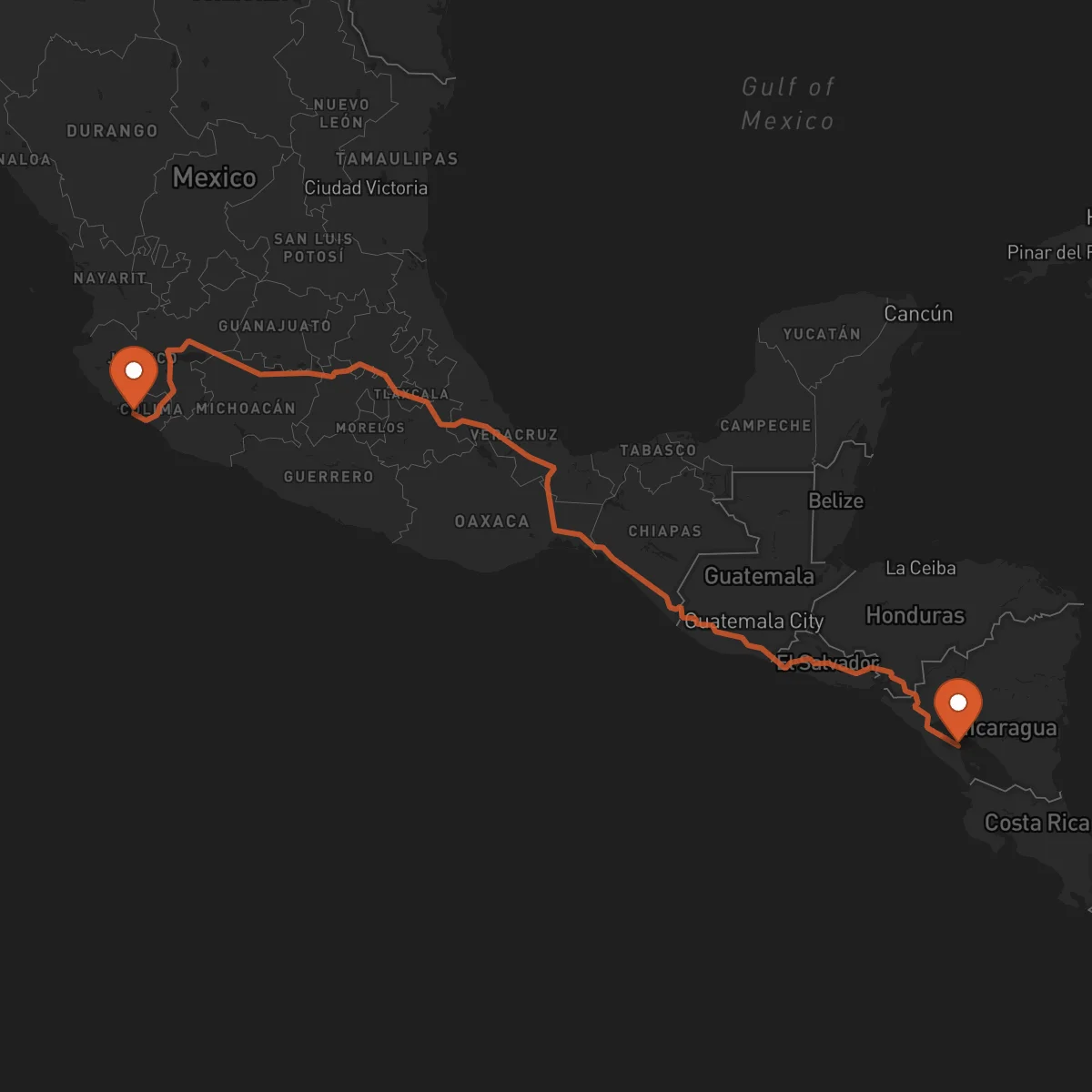
The Manzanillo to Granada corridor represents a vital freight artery connecting Mexico's Pacific coast with the heart of Central America. Spanning approximately 2,119 kilometers, this cross-border route is strategically essential for moving goods between major production/consumption zones in Mexico and the Nicaraguan market, as well as serving as a conduit for broader Central American trade. Its importance is amplified by regional trade agreements like CAFTA-DR, which facilitate the flow of commercial goods and underscore the need for efficient, compliant transportation solutions.
Economically, the corridor supports the exchange of a diverse range of products. From Mexico, key exports include manufactured goods, automotive parts, processed foods, and agricultural products. In return, the corridor imports primarily agricultural commodities (such as coffee, sesame, and tropical fruits), textiles, and raw materials from Nicaragua and neighboring countries to Mexican manufacturing and distribution hubs. The primary industries leveraging this route are manufacturing, agriculture, and retail distribution, all requiring reliable full truckload (FTL) services to maintain supply chain integrity.
Transportation infrastructure relies on a network of major highways. In Mexico, the route typically begins on Federal Highway 200 from Manzanillo, connecting to Federal Highway 15D towards the Guatemala border. After crossing into Guatemala (commonly at the La Mesilla/Talismán crossing), it continues on the CA-1 highway through Guatemala and El Salvador. Entering Nicaragua, the route uses the Pan-American Highway (CA-1) to reach Granada. Key border crossings, such as Mexico-Guatemala and Guatemala-Nicaragua (e.g., Las Manos), are critical points where customs procedures and documentation must be meticulously managed to avoid delays.
Control Terrestre facilitates seamless operations on this corridor through our robust alliance of certified transportation providers. Our partners hold essential credentials including C-TPAT, FAST, and BASC, which streamline customs processes at border crossings. We exclusively manage FTL shipments—including dry vans, reefers, and specialized equipment—ensuring dedicated capacity and security for your cargo. Our expertise in cross-border documentation and coordination allows us to handle the complexities of this international route, providing our clients with a single, reliable point of contact for their full truckload needs from Manzanillo to Granada.
Services for this Route
Available services for the corridor Manzanillo - Granada
 Origin
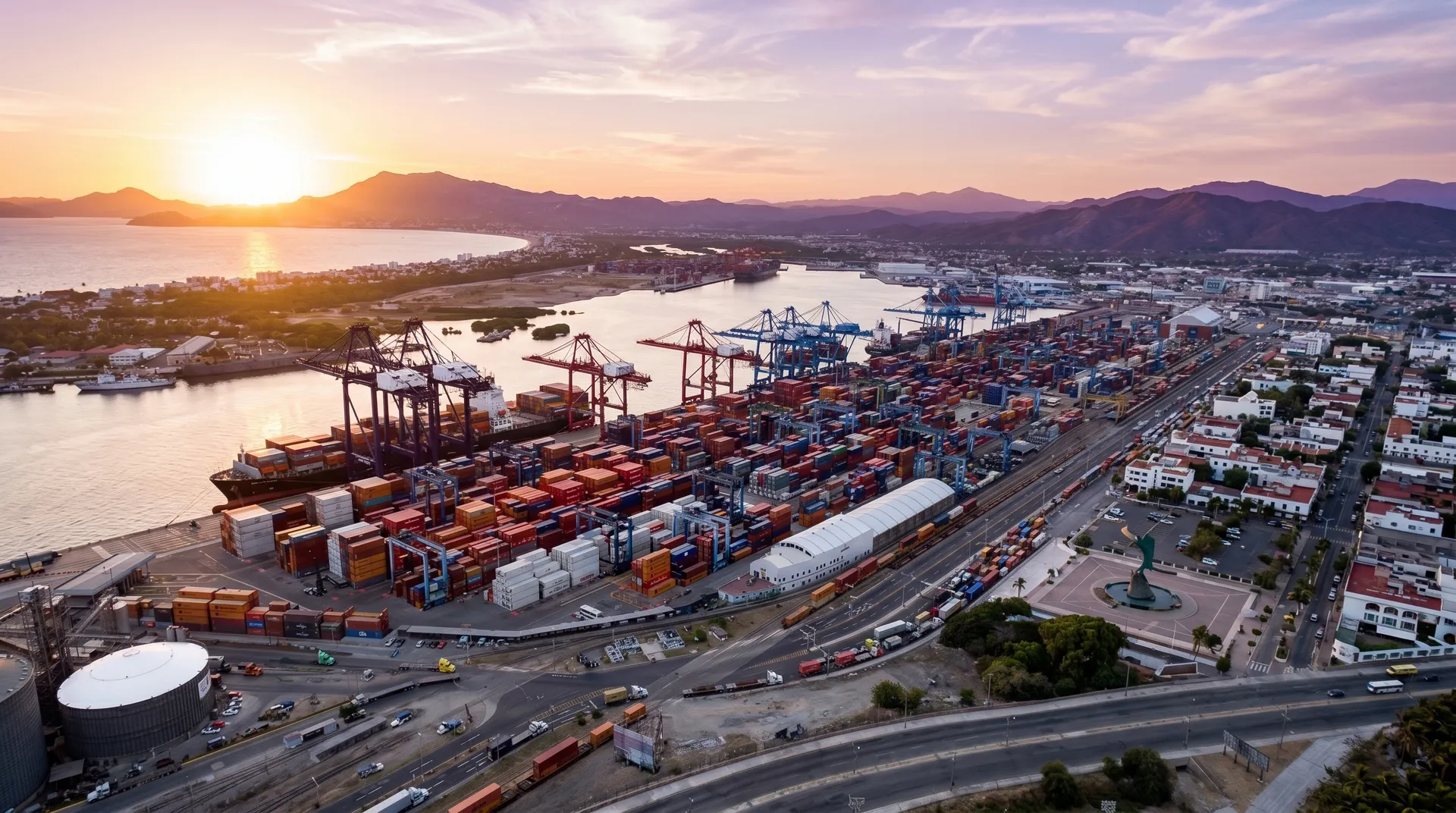
Manzanillo, located in the state of Colima, Mexico, is a pivotal Pacific seaport and a strategic logistics origin for North American freight corridors. As Mexico's second-largest port by cargo volume, it serves as a critical gateway for imports and exports, particularly for the western and central regions of Mexico. The port's deep-water facilities handle containerized, bulk, and general cargo, directly feeding the surrounding industrial zones. Key economic sectors driving freight from this region include automotive manufacturing (with plants in nearby states), agricultural exports (mangoes, limes, and papaya), and general manufactured goods. The city is well-connected by Federal Highway 200 along the coast and Federal Highway 15D, which provides a direct, high-capacity link north to Guadalajara and Mexico City, and south toward the Guatemala border. This robust highway infrastructure, combined with the port's intermodal capabilities, makes Manzanillo an optimal starting point for FTL shipments destined for Central America.
 Destination
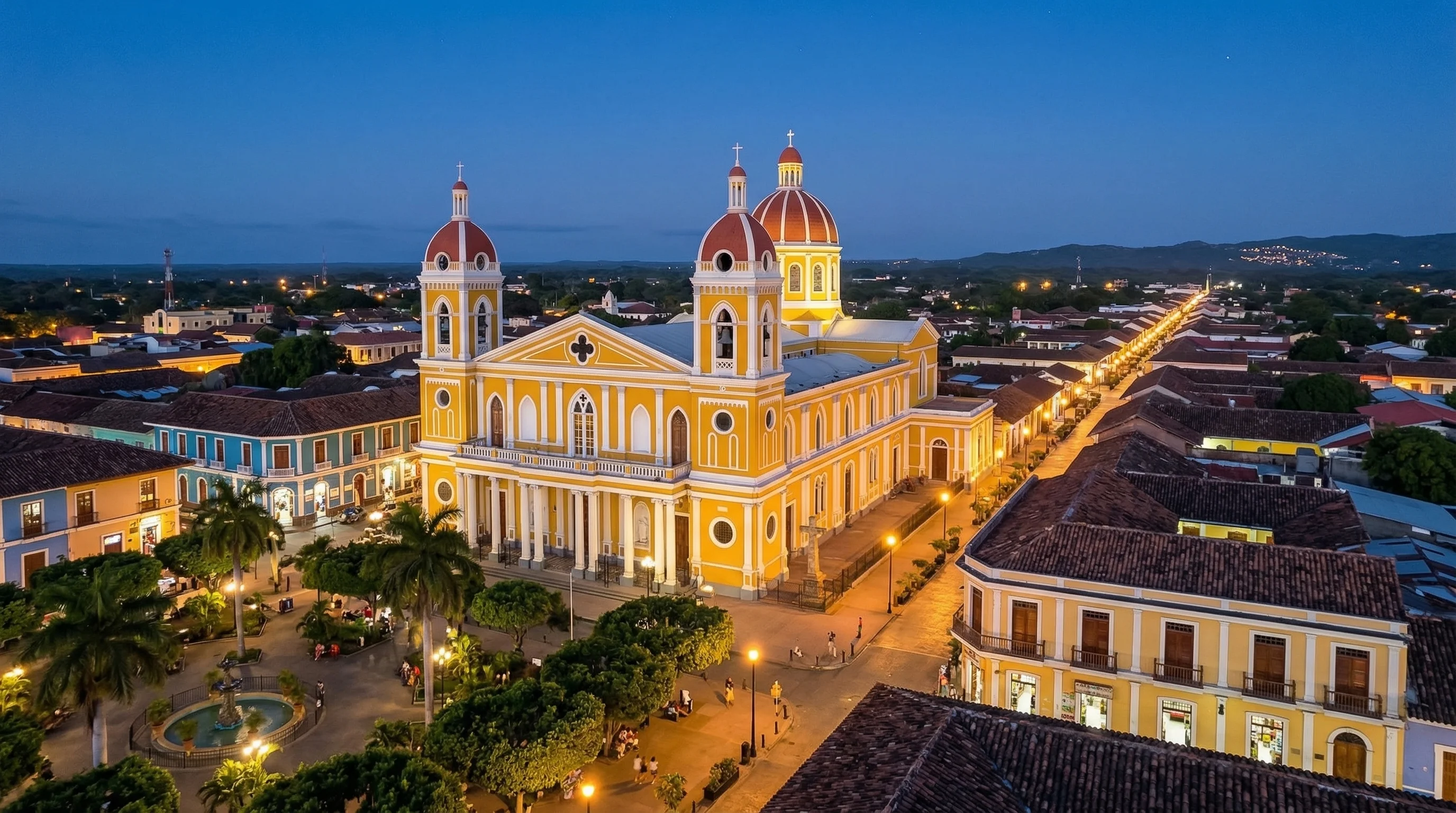
Granada, Nicaragua, is a strategically located city on the shores of Lake Nicaragua and serves as a key logistics and distribution hub for the southern region of the country and beyond. Its position provides access to major agricultural heartlands and connects via road to the capital, Managua, and the Costa Rican border. The primary industries generating freight demand in and around Granada are agriculture (coffee, beans, sugarcane, and tropical fruits), textiles and apparel manufacturing, and tourism-related goods. The city is a focal point for collecting agricultural products from the surrounding highlands for export. Transportation infrastructure is anchored by the Pan-American Highway (CA-1), which runs directly through Granada, providing the main north-south artery through Nicaragua to Honduras and Costa Rica. This highway connectivity, coupled with its role as a regional commercial center, makes Granada a crucial destination for inbound FTL freight carrying raw materials, consumer goods, and industrial supplies to support local industry and distribution networks.










