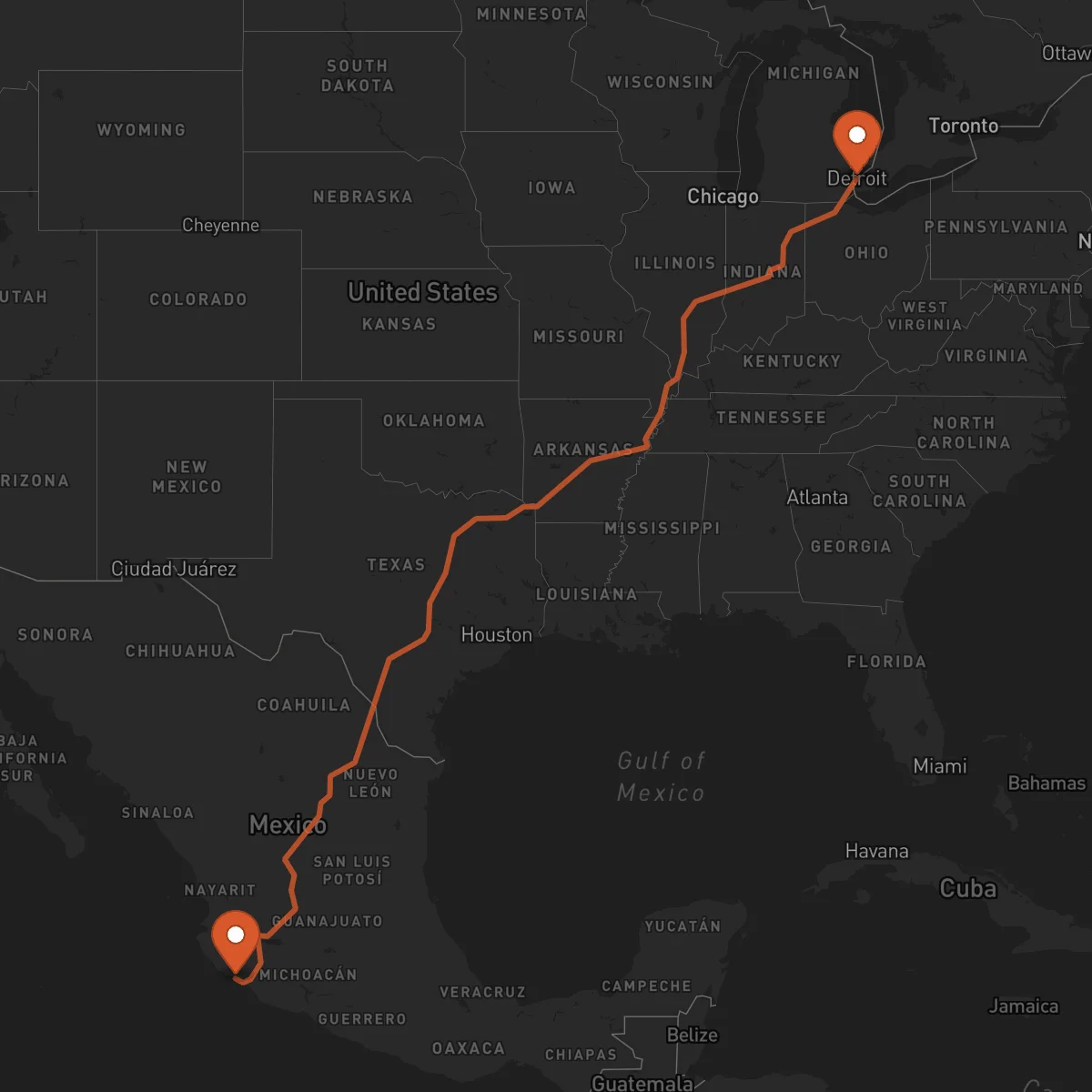
Manzanillo to Detroit
Detroit → ManzanilloFTL freight transportation service between Manzanillo and Detroit. Reliable logistics solutions for your business.
Route Description
Everything you need to know about the corridor Manzanillo - Detroit
The logistics corridor between Manzanillo, Colima, México and Detroit, Michigan, United States represents a vital trade route connecting the Pacific coast of Mexico with the industrial heartland of the United States. This 3,272 km cross-border corridor facilitates the movement of goods between one of Mexico's busiest ports and one of America's most important manufacturing centers. The route traverses diverse terrain and crosses multiple states, making it a complex but essential link in North American supply chains.
The corridor serves as a critical artery for international trade, particularly in automotive parts, electronics, and agricultural products. Detroit, known as the automotive capital of the world, relies heavily on just-in-time inventory systems that require reliable transportation from manufacturing hubs and ports like Manzanillo. The port of Manzanillo, Mexico's largest on the Pacific coast, handles a significant volume of imports and exports, making it a strategic gateway for goods entering and leaving the country.
Key transportation infrastructure along this corridor includes Mexico's Federal Highway 180 and Federal Highway 190, which connect Manzanillo to the U.S. border. Once in the United States, major interstates such as I-69 and I-94 provide direct access to Detroit. The corridor crosses at various border points, with Laredo and El Paso being among the most commonly used for freight traffic. Control Terrestre's expertise in navigating these border crossings, understanding customs requirements, and managing cross-border documentation ensures smooth transit for our clients' shipments, minimizing delays and optimizing delivery times.
Services for this Route
Available services for the corridor Manzanillo - Detroit
 Origin
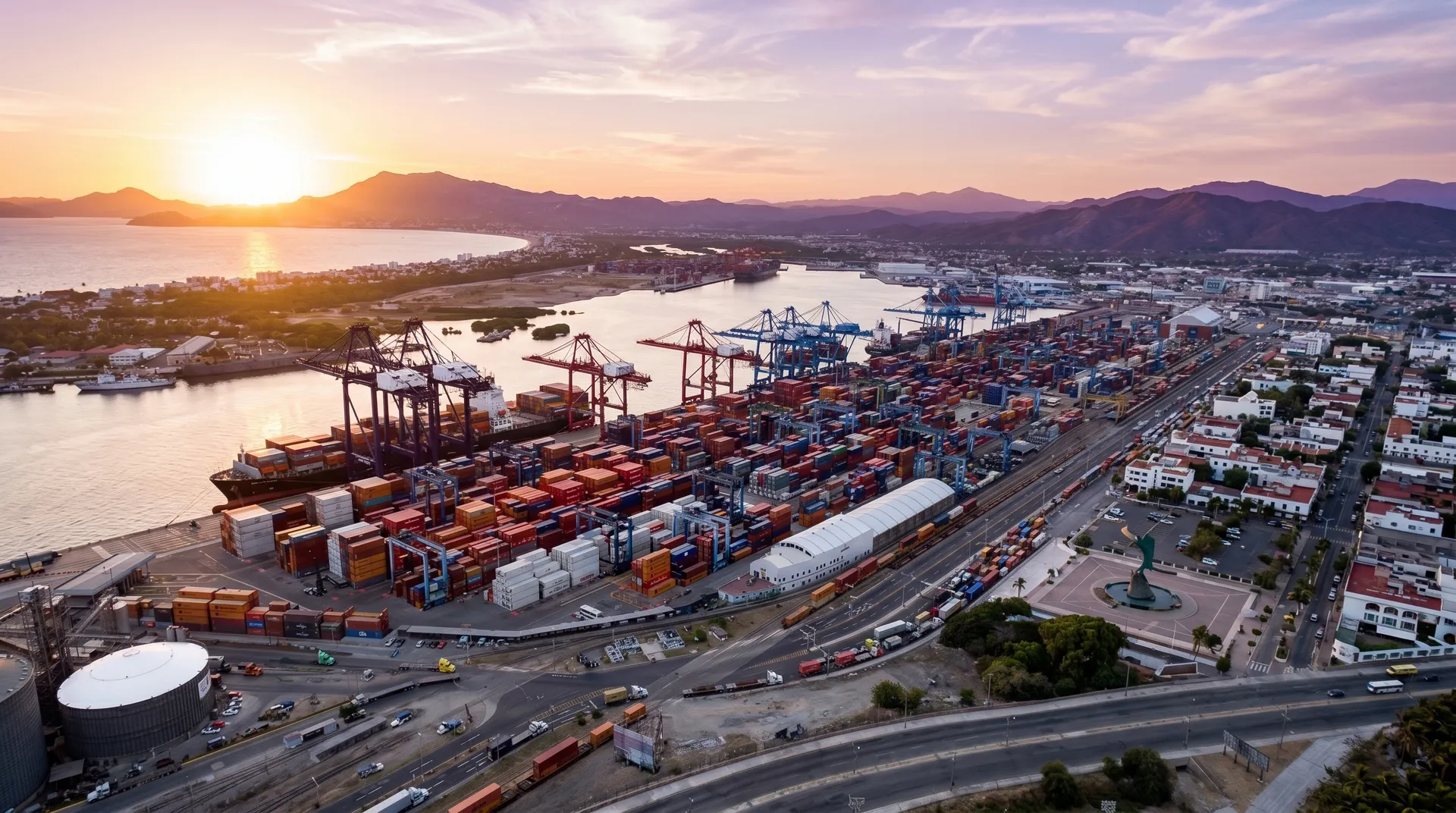
Manzanillo, located in the state of Colima on Mexico's Pacific coast, is the country's busiest port and a strategic logistics hub. Its deep-water port facilities can accommodate the largest cargo vessels, making it an ideal entry and exit point for international trade. The port handles a diverse range of cargo including containerized goods, vehicles, bulk commodities, and refrigerated products. Its proximity to major industrial centers in central and western Mexico, combined with excellent road and rail connections, positions Manzanillo as a critical node in Mexico's logistics network.
The region's economy is diverse, with key industries including agriculture (particularly bananas, limes, and mangoes), fishing, and tourism. However, the port's presence has attracted significant manufacturing activity, especially in electronics and automotive components. The surrounding area benefits from industrial parks and free trade zones that leverage Manzanillo's port facilities. Transportation infrastructure in the area includes the port's modern container terminals, rail connections to major Mexican cities, and direct highway access to the United States via Federal Highways 180 and 190.
 Destination
Detroit
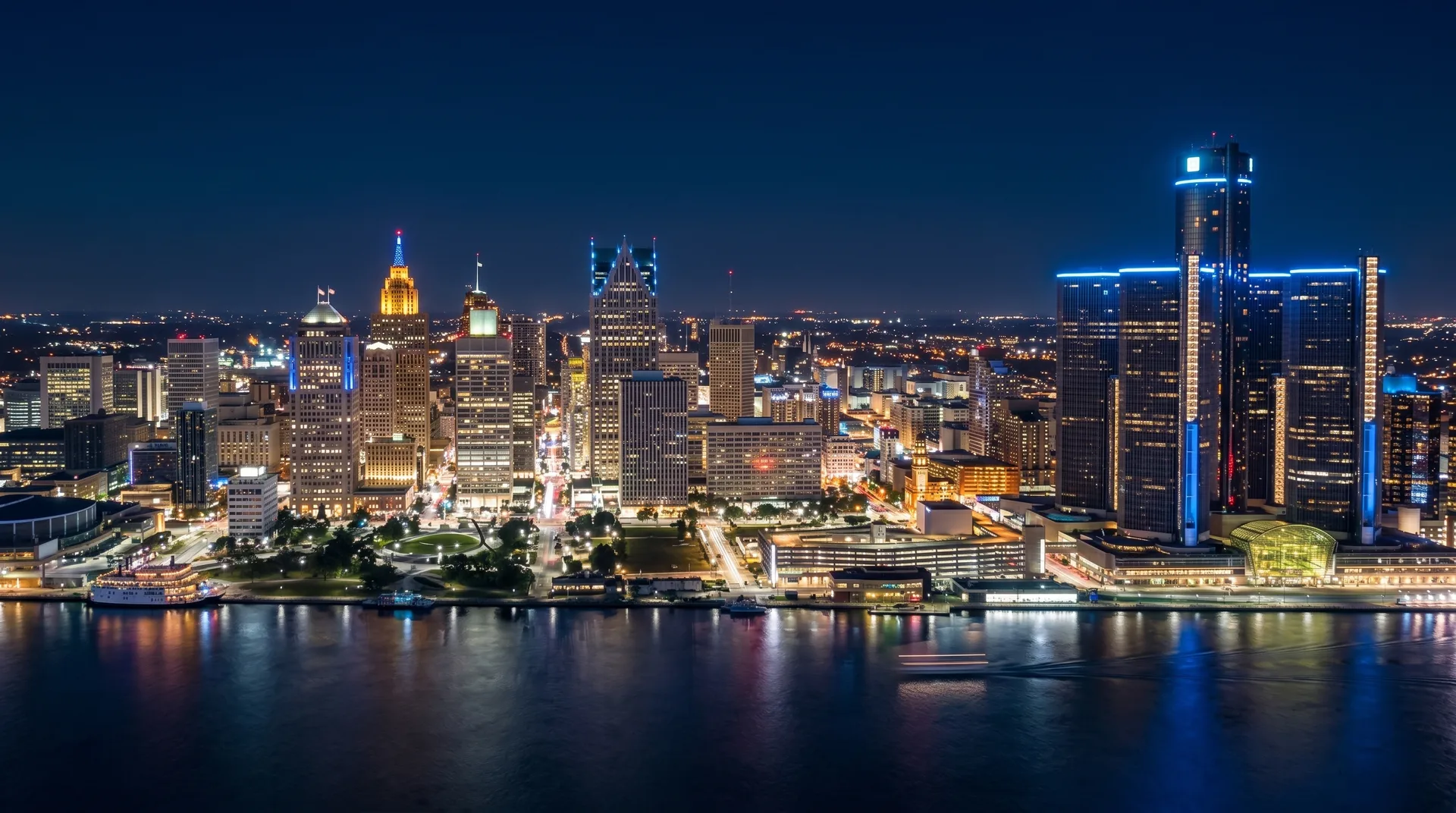
Detroit, Michigan, stands as a strategic logistics hub in the heart of the American Midwest. Located in the Great Lakes region, Detroit offers unparalleled access to major markets across the United States and Canada through an extensive network of highways, railways, and waterways. The city's position on the Detroit River, connecting Lake St. Clair to Lake Erie, provides vital water transportation links. Detroit Metropolitan Airport further enhances the region's connectivity for time-sensitive cargo.
The Detroit metropolitan area is synonymous with the automotive industry, hosting the headquarters and major facilities of the Big Three automakers: General Motors, Ford, and Stellantis (formerly Chrysler). This industrial base has spawned a vast network of suppliers and related manufacturing businesses, creating a complex supply chain that relies heavily on efficient logistics. Beyond automotive, Detroit has diversified into advanced manufacturing, healthcare, and technology sectors. The region's infrastructure includes major interstate highways (I-75, I-94, I-96), extensive rail networks, and the Port of Detroit, which handles significant cargo volumes despite being a freshwater port.










