Manchester to Surrey
Surrey → ManchesterFTL freight transportation service between Manchester and Surrey. Reliable logistics solutions for your business.
Route Description
Everything you need to know about the corridor Manchester - Surrey
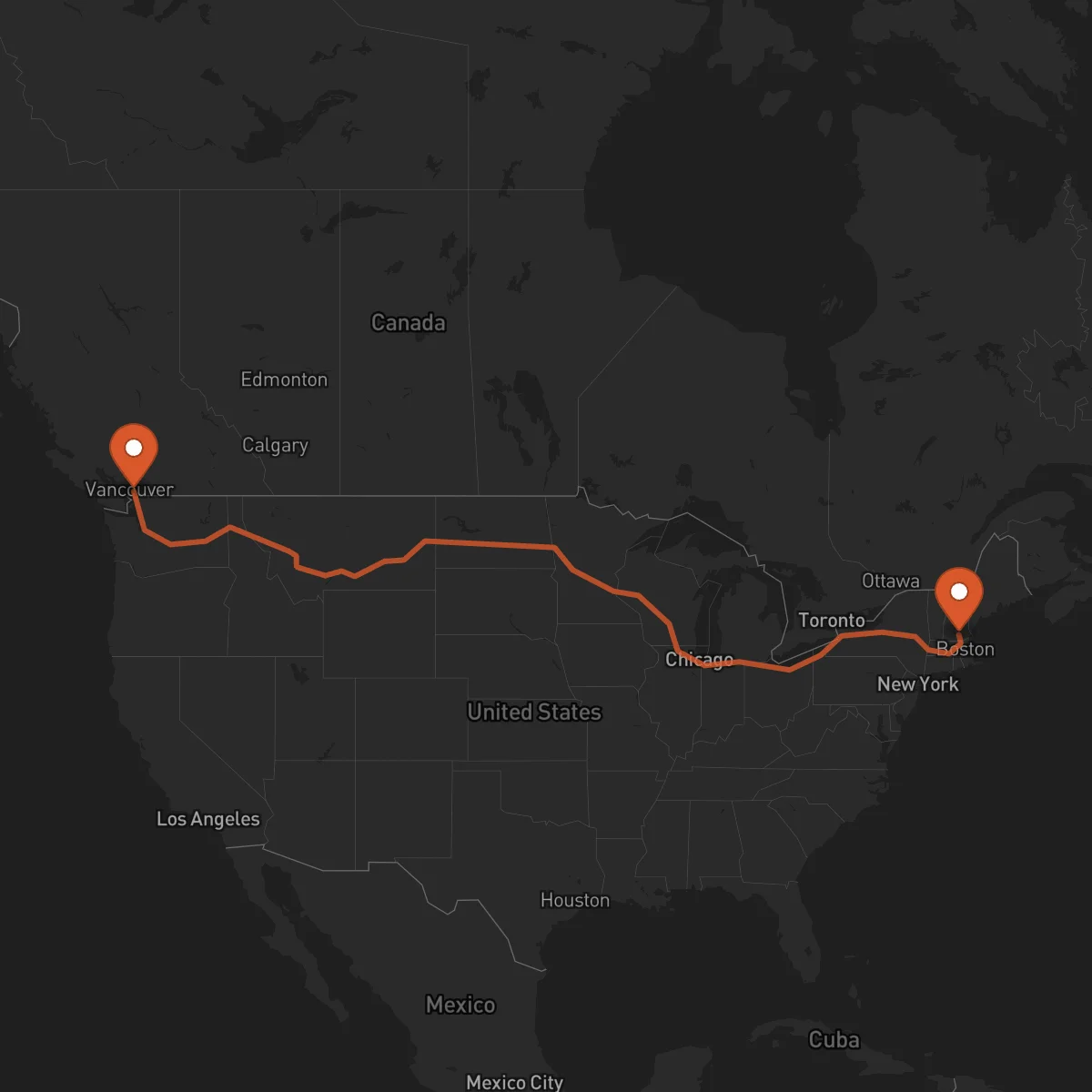
The Manchester, New Hampshire to Surrey, British Columbia corridor represents one of North America's most significant cross-border freight routes, spanning approximately 3,944 kilometers through diverse industrial and commercial regions. This strategic connection links the northeastern United States manufacturing and distribution hub with Canada's Pacific coast gateway, facilitating the movement of goods between major economic centers. The route traverses key states and provinces including New Hampshire, Vermont, New York, Ontario, Manitoba, Saskatchewan, Alberta, and British Columbia, connecting vital economic regions across the continent.
The corridor serves as a critical artery for industries ranging from automotive and aerospace to technology and consumer goods. Manchester's proximity to Boston and its robust manufacturing sector creates strong outbound freight volumes, while Surrey's position as part of Metro Vancouver's logistics network generates substantial import activity. The route accommodates diverse cargo types including industrial equipment, electronics, automotive parts, and general merchandise, with peak seasons typically aligning with retail cycles and manufacturing schedules.
Transportation infrastructure along this corridor includes major interstate highways such as I-89, I-90, and I-94 in the United States, connecting to Canadian routes like the Trans-Canada Highway (Highway 1) and the Yellowhead Highway (Highway 16). Key border crossings include the Derby Line/Stanstead crossing between Vermont and Quebec, and various crossings in the Great Lakes region. Control Terrestre's expertise in cross-border operations ensures seamless customs clearance and regulatory compliance, with dedicated teams managing documentation, permits, and coordination between different jurisdictions to maintain efficient transit times and reliable service delivery.
Services for this Route
Available services for the corridor Manchester - Surrey
 Origin
Manchester
Manchester, New Hampshire serves as a strategic logistics hub in the northeastern United States, offering excellent connectivity to major markets along the Eastern Seaboard. Located within 90 minutes of Boston, the city benefits from proximity to one of America's largest consumer markets while maintaining lower operational costs. Manchester's transportation infrastructure includes the Manchester-Boston Regional Airport, extensive highway networks including I-93 and I-293, and rail connections through Pan Am Railways. The region's industrial base encompasses advanced manufacturing, aerospace components, medical devices, and technology products, creating consistent freight volumes for cross-border transportation. The city's economic development initiatives have attracted numerous distribution centers and warehouses, establishing Manchester as a key origin point for freight moving to Canadian markets.
 Destination
Surrey
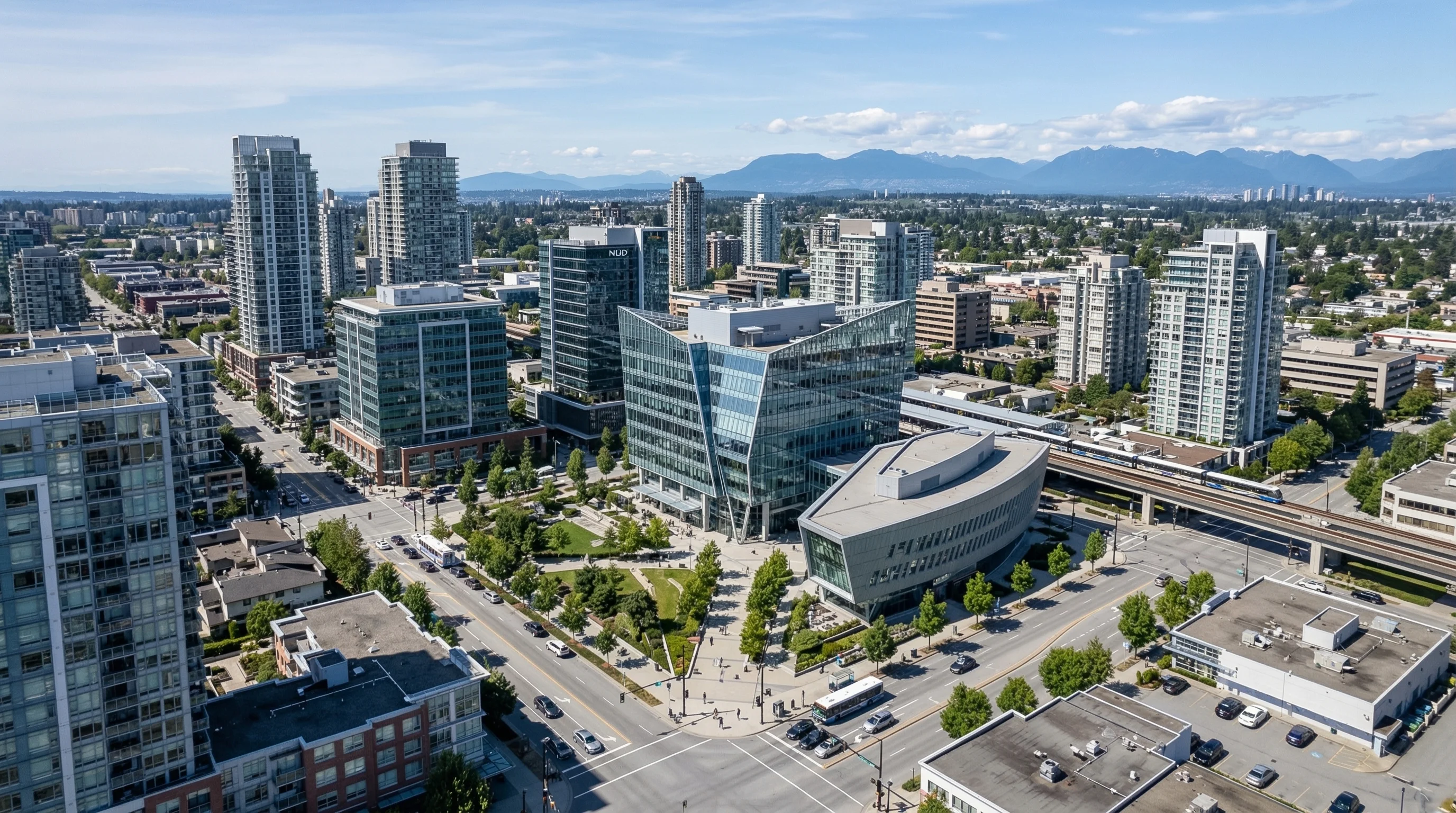
Surrey, British Columbia represents a vital logistics center in Canada's Pacific Northwest, strategically positioned within Metro Vancouver's extensive transportation network. As part of the Greater Vancouver area, Surrey provides direct access to the Port of Vancouver, Canada's largest port, and proximity to the U.S. border at Blaine, Washington. The city's transportation infrastructure includes major highways such as Highway 1 (Trans-Canada Highway) and Highway 99, comprehensive rail services through Canadian National and Canadian Pacific, and nearby Vancouver International Airport. Surrey's economy features strong sectors in technology, clean energy, advanced manufacturing, and agriculture, with the surrounding Fraser Valley providing additional freight generation through food processing and agricultural products. The region's position as a gateway to Asian markets through the Port of Vancouver creates substantial import volumes, while its manufacturing base generates consistent export activity.










