
Manchester to Somoto
Somoto → ManchesterFTL freight transportation service between Manchester and Somoto. Reliable logistics solutions for your business.
Route Description
Everything you need to know about the corridor Manchester - Somoto
The logistics corridor connecting Mánchester, New Hampshire, with Somoto, Nicaragua, represents a vital cross-border freight route spanning approximately 3,588 kilometers. This corridor links the industrial Northeast United States with Central America's growing markets, facilitating trade in manufactured goods, agricultural products, and specialized cargo. The route traverses major transportation hubs including Boston, New York, and Miami before entering Central America through key border crossings. Control Terrestre provides comprehensive FTL services along this corridor, managing customs clearance, documentation, and seamless cross-border operations. Our experienced team ensures cargo moves efficiently through multiple jurisdictions, handling all regulatory requirements and providing real-time tracking throughout the journey.
Services for this Route
Available services for the corridor Manchester - Somoto
 Origin
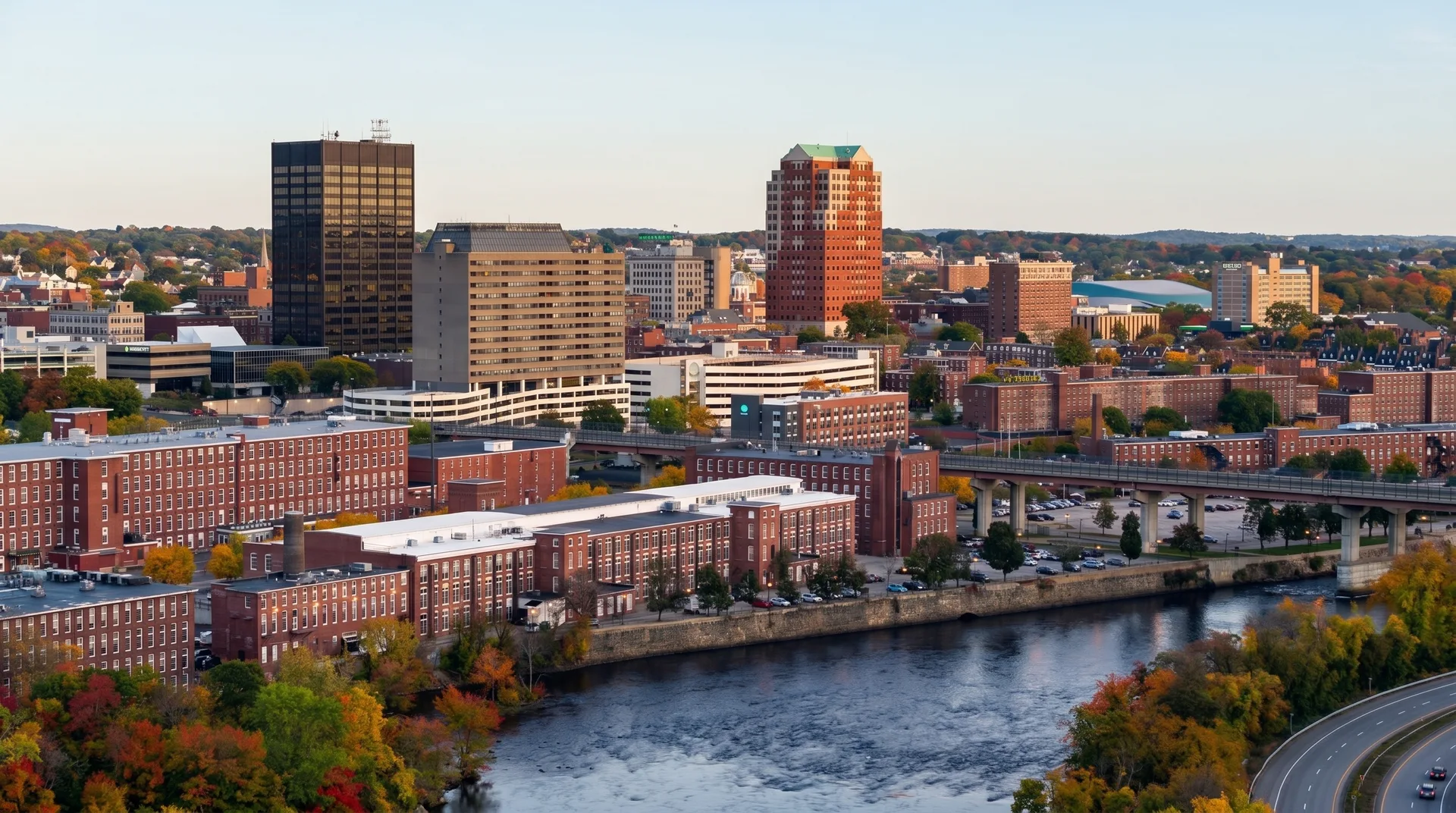
Manchester
Mánchester, New Hampshire serves as a strategic logistics hub in the Northeastern United States, offering excellent connectivity through major highways including I-93 and I-89. The city's industrial base encompasses advanced manufacturing, healthcare technology, and distribution centers, making it an ideal origin point for freight shipments. Mánchester benefits from proximity to Boston's international airport and major East Coast ports, while its robust infrastructure supports efficient cargo consolidation and distribution. The region's skilled workforce and business-friendly environment contribute to its growing importance in North American supply chains.
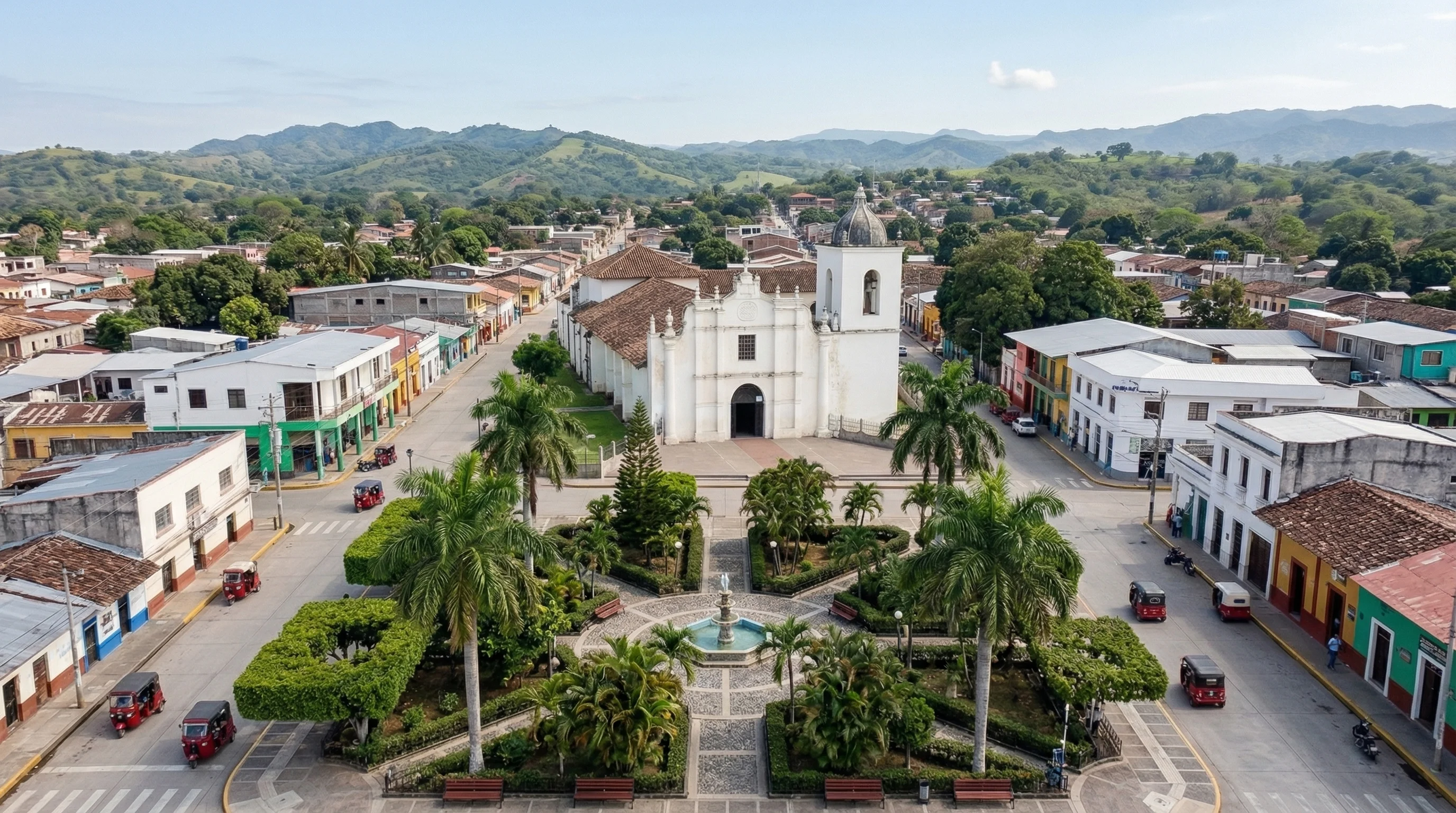 Destination
Somoto, located in Nicaragua's Madriz department, represents a strategic gateway to Central American markets. The city's location provides access to regional distribution networks connecting to Honduras, El Salvador, and Costa Rica. While Somoto itself is primarily agricultural, its surrounding region produces coffee, tobacco, and various agricultural products that require reliable transportation to North American markets. The area's developing infrastructure includes road connections to major Central American highways, though specialized logistics expertise is essential for navigating local regulations and ensuring efficient cargo delivery.










