Managua to Tucson
Tucson → ManaguaFTL freight transportation service between Managua and Tucson. Reliable logistics solutions for your business.
Route Description
Everything you need to know about the corridor Managua - Tucson
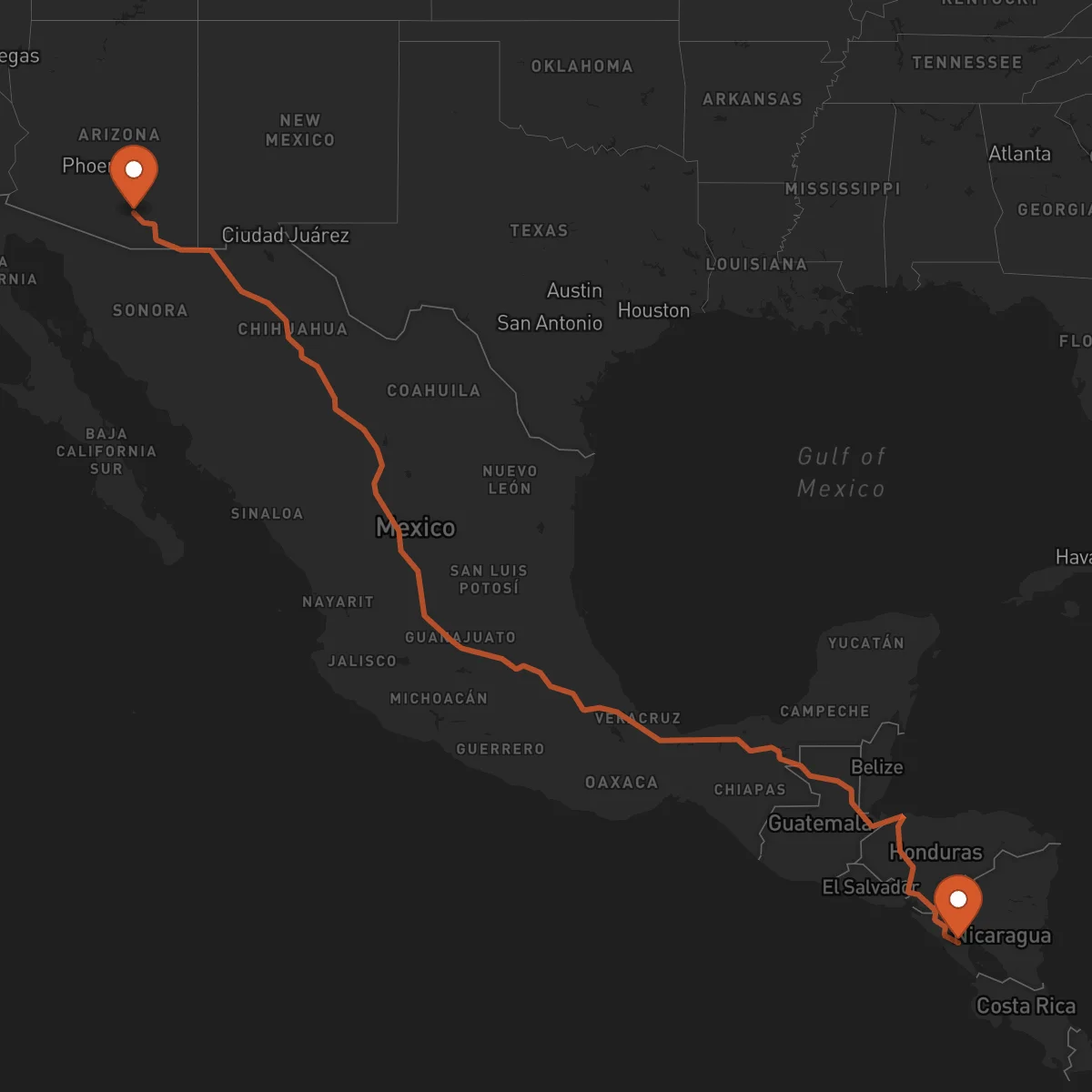
The logistics corridor between Managua, Nicaragua and Tucson, Arizona represents a vital trade link connecting Central America with the southwestern United States. This 3,374 km cross-border route facilitates the movement of goods between two dynamic economic regions, supporting international trade and supply chain operations. The corridor traverses diverse terrains and crosses multiple international borders, requiring specialized logistics expertise to ensure efficient cargo movement.
This route serves numerous industries including automotive, electronics, agricultural products, and manufactured goods. The economic relationship between Nicaragua and Arizona continues to strengthen, with Tucson serving as a major distribution hub for the southwestern United States. Key industries in both regions benefit from this direct connection, enabling just-in-time inventory management and reducing overall transportation costs for businesses operating in both markets.
The transportation infrastructure along this corridor includes major highways such as CA-1 in Nicaragua, connecting to Mexican Federal Highways, and ultimately linking to Interstate 10 in the United States. Key border crossings include El Amatillo between El Salvador and Honduras, and various crossings between Mexico and the United States. Control Terrestre facilitates seamless operations across this corridor by providing experienced drivers familiar with cross-border procedures, managing customs documentation, and ensuring compliance with all regulatory requirements in each country along the route.
Services for this Route
Available services for the corridor Managua - Tucson
 Origin
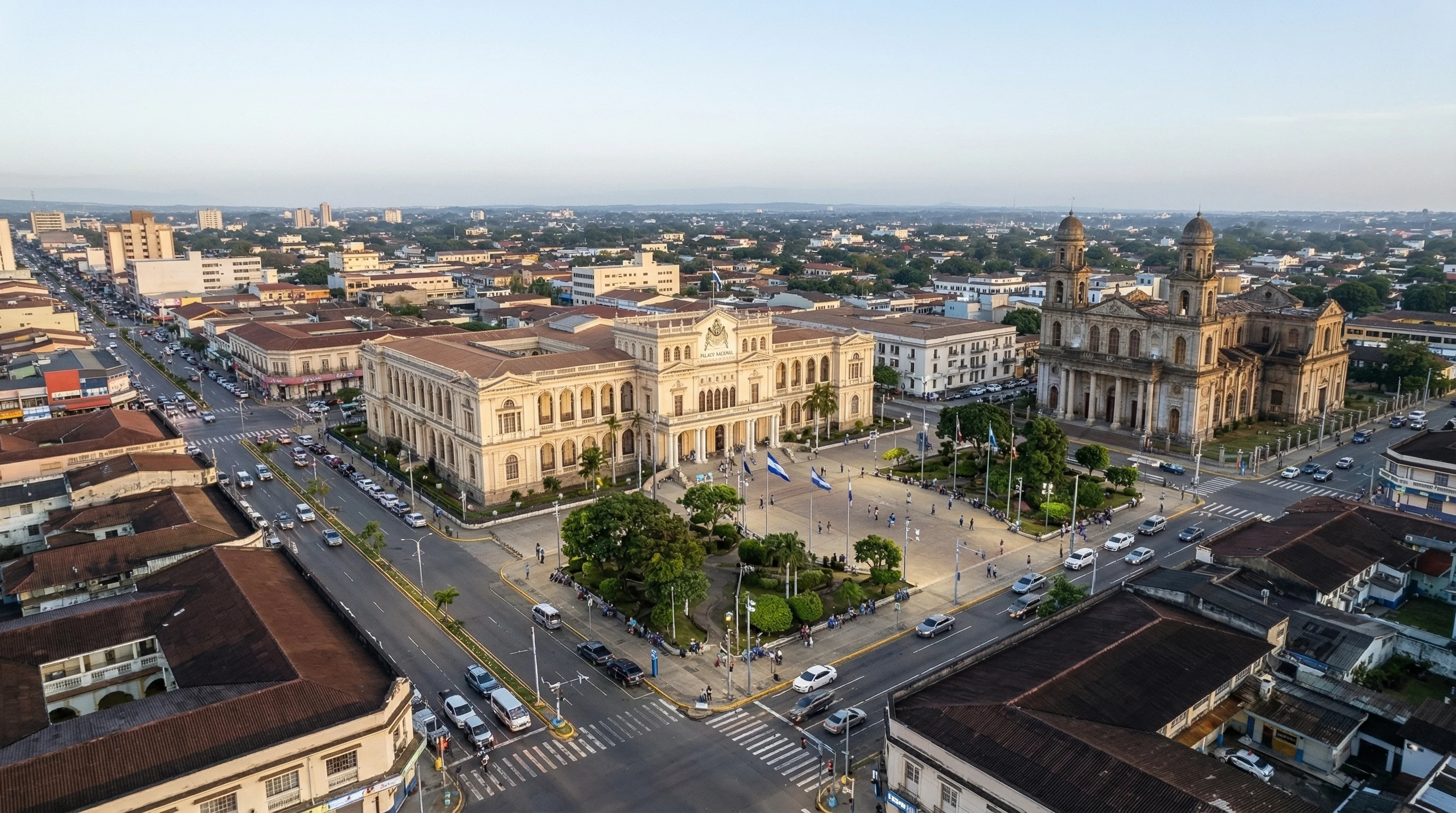
Managua, the capital and largest city of Nicaragua, serves as a strategic logistics hub for Central America. Located in the western part of the country, Managua provides access to both Pacific ports and land routes connecting to neighboring countries. The city's infrastructure includes the Augusto C. Sandino International Airport and connections to major highways, making it an ideal origin point for freight transportation. Nicaragua's economy features diverse sectors including agriculture, textiles, and manufacturing, with Managua serving as the commercial center for these industries.
 Destination
Tucson
Tucson, Arizona is strategically positioned as a logistics gateway to the southwestern United States. Located just 60 miles from the Mexican border, Tucson serves as a critical distribution point for goods entering the U.S. from Latin America. The city benefits from excellent transportation infrastructure including Interstate 10, the Union Pacific Railroad, and Tucson International Airport. Tucson's economy is anchored by aerospace and defense, technology, and logistics industries, with major distribution centers and warehousing facilities supporting regional and national supply chains.










