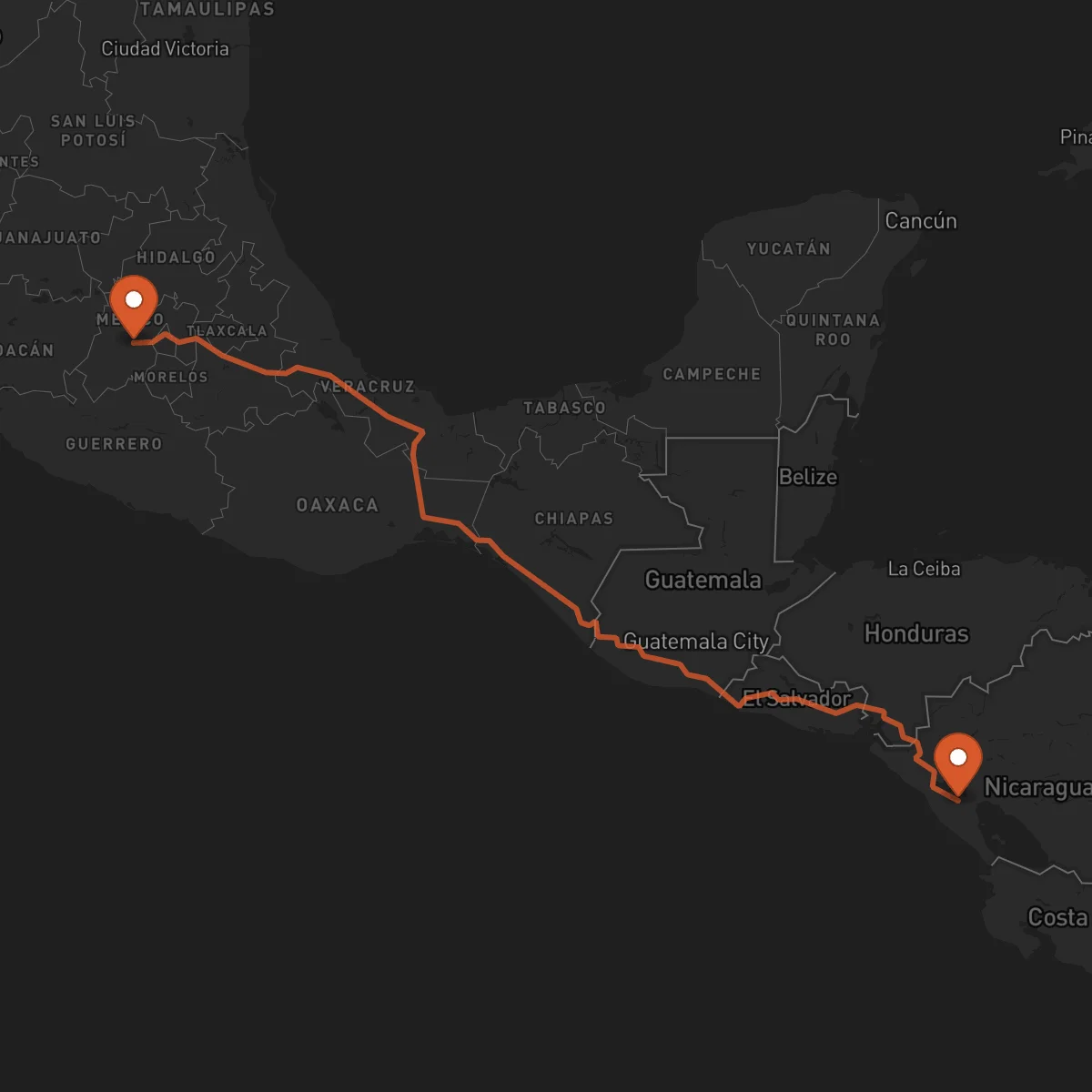
Managua to Toluca
Toluca → ManaguaFTL freight transportation service between Managua and Toluca. Reliable logistics solutions for your business.
Route Description
Everything you need to know about the corridor Managua - Toluca
The logistics corridor connecting Managua, Nicaragua, to Toluca, Estado de México, represents a critical north-south artery for full truckload (FTL) freight, bridging Central America with one of Mexico's most significant industrial hubs. This cross-border route is strategically vital for companies looking to integrate supply chains across the region, facilitating the efficient movement of goods from Nicaragua's Pacific coast to the heart of Mexico's manufacturing and consumer markets. The corridor supports robust economic ties, enabling the flow of raw materials inbound to Mexico and finished products and agricultural goods outbound from Central America. Key industries leveraging this route include agriculture (coffee, beef, produce), manufacturing and textiles, automotive components, and consumer packaged goods, all requiring reliable, dedicated capacity. The primary overland infrastructure relies on Nicaragua's CA-1 highway and the Pan-American Highway network, transitioning onto Mexico's federal highway system, such as Mexico-15D and Mexico-55, which provide direct access to the Toluca metropolitan area. Navigating the border crossing requires careful attention to customs and compliance; Control Terrestre’s alliance of providers holds essential certifications like C-TPAT, FAST, and BASC, ensuring streamlined procedures at major crossings. We facilitate seamless operations on this corridor by leveraging our strategic provider network, offering dedicated and expedited FTL solutions with specialized equipment, from dry vans to refrigerated units, all managed with a focus on human-centric service and sustainable practices to optimize your supply chain's reliability and environmental footprint.
Services for this Route
Available services for the corridor Managua - Toluca
 Origin
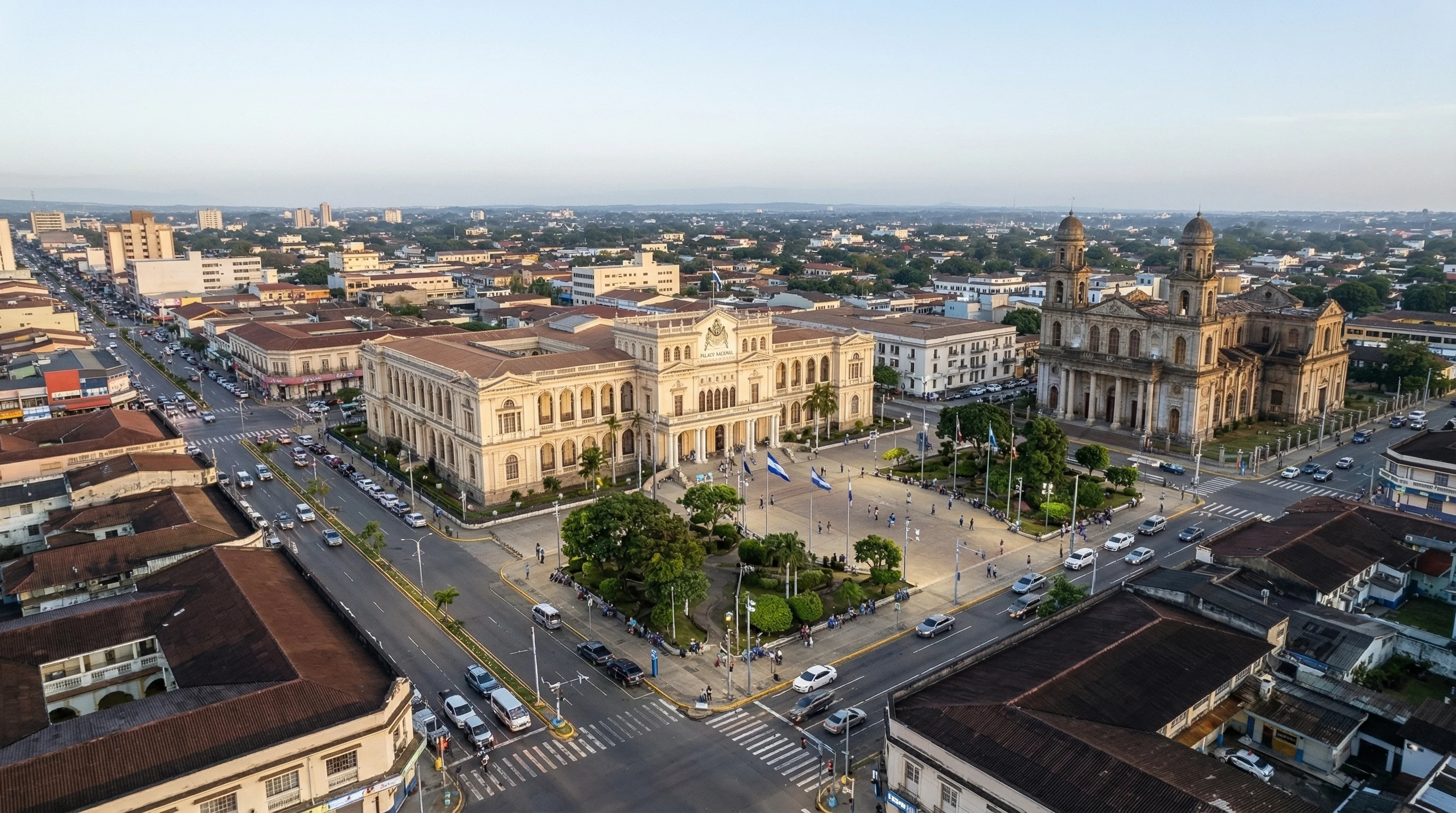
Managua, the capital of Nicaragua, serves as the nation's primary economic and logistics epicenter, strategically positioned along the Pan-American Highway. Its location provides a natural gateway for freight moving between the Pacific coast, the Caribbean, and the broader Central American region. The city's economy is driven by diverse sectors, including significant agricultural exports (coffee, beef, peanuts, and tropical fruits), food and beverage processing, textile manufacturing, and light industry. Key infrastructure supporting logistics includes the nearby Port of Corinto for maritime connections, the Augusto C. Sandino International Airport for air cargo, and a network of paved highways radiating from the city. As a consolidation point, Managua benefits from a concentration of warehousing and distribution services, making it an optimal origin for FTL shipments destined for Mexico and beyond. The city's role as a commercial hub ensures availability of various equipment types and experienced local handling for cross-border freight.
 Destination
Toluca
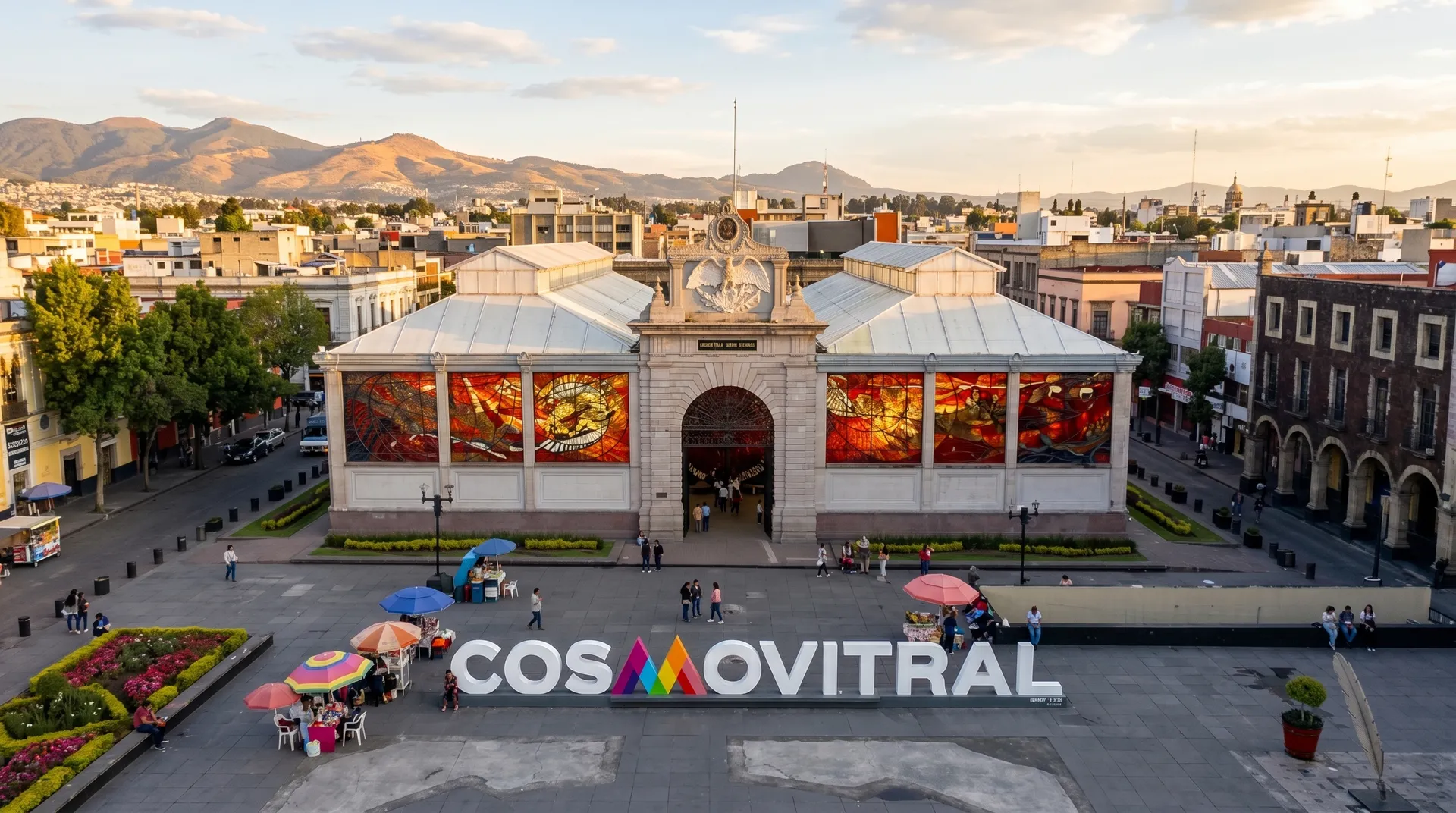
Toluca, the capital of Estado de México, is a major industrial and commercial city located just west of Mexico City, forming a crucial part of one of the world's largest metropolitan economies. Its strategic location offers unparalleled access to vast consumer markets, manufacturing plants, and major distribution centers across central Mexico. The economy is heavily industrialized, dominated by the automotive sector (with major plants for Nissan, General Motors, and suppliers), alongside strong food and beverage processing, pharmaceutical manufacturing, textile production, and logistics services. Toluca's infrastructure is highly developed, featuring direct connections via high-capacity federal highways (like Mexico-15D and Mexico-55) to Mexico City, the Port of Veracruz, and northern border crossings. The city is also served by the Toluca International Airport and is integrated into extensive rail networks. This robust multimodal environment makes Toluca an ideal destination for FTL freight, supporting high-volume, time-sensitive deliveries to factories, warehouses, and retail distribution points.










