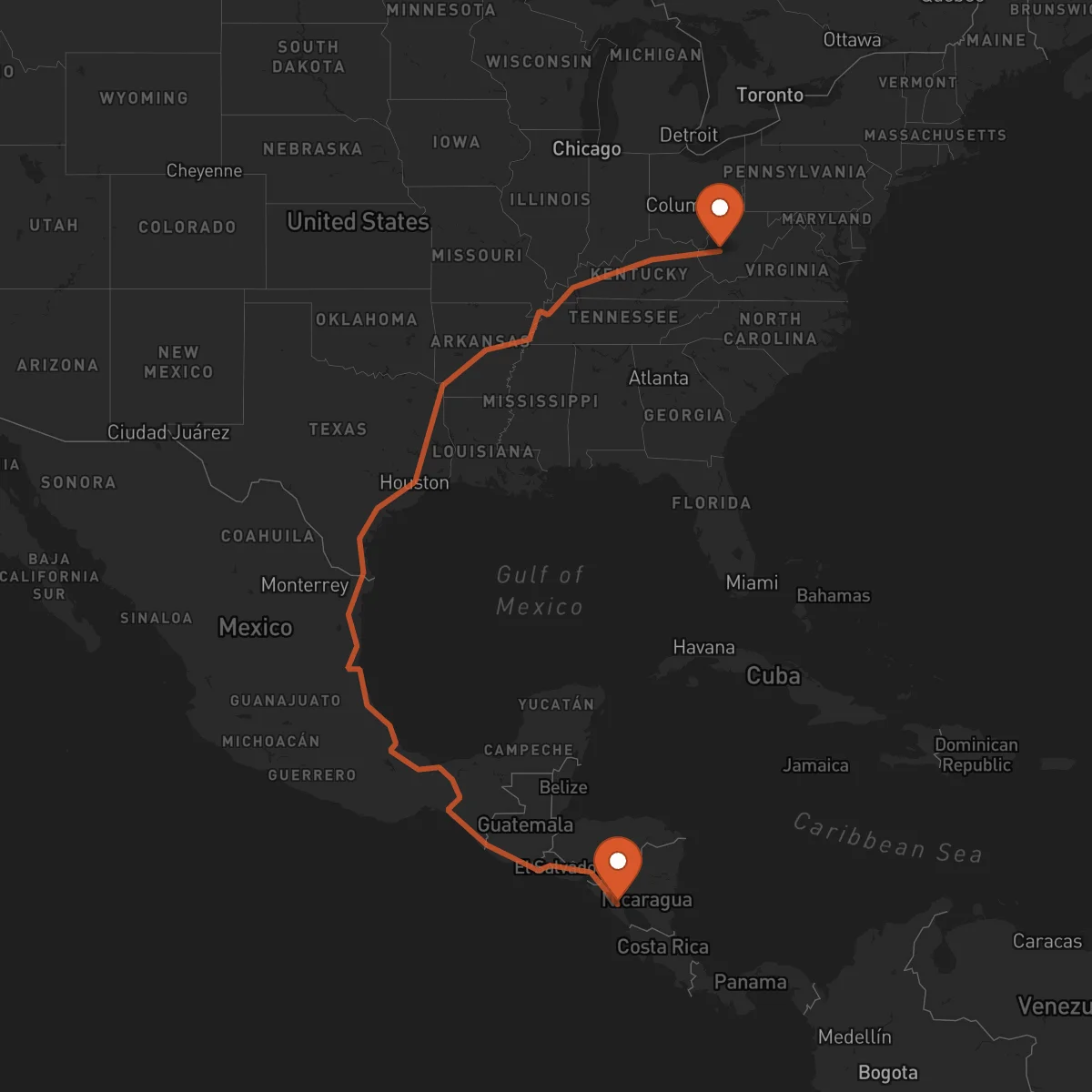
Managua to Charleston
Charleston → ManaguaFTL freight transportation service between Managua and Charleston. Reliable logistics solutions for your business.
Route Description
Everything you need to know about the corridor Managua - Charleston
The Managua to Charleston corridor is a critical North American logistics link, connecting Central America's growing manufacturing and agricultural base with the industrial heartland of the United States. This cross-border route facilitates the essential flow of goods, supporting supply chains that span continents. Economically, it serves the dynamic export sector of Nicaragua, moving products like coffee, beef, textiles, and manufactured components northward, while supporting the inbound movement of raw materials, machinery, and consumer goods into the region. Key industries utilizing this corridor include agriculture and food processing, apparel and textiles, light manufacturing, and industrial equipment. The primary transportation infrastructure relies on the Pan-American Highway network through Central America and Mexico, transitioning to the robust U.S. Interstate system, notably I-77, which provides a direct artery into West Virginia and the broader Appalachian industrial region. Navigating the international border requires meticulous planning for customs clearance and compliance. Control Terrestre streamlines this complex cross-border operation. We leverage our alliance of certified providers—holding credentials such as C-TPAT, FAST, and BASC—to ensure secure, compliant, and efficient transit. Our expertise in dedicated and specialized FTL solutions allows us to manage the full scope of this corridor, from door in Managua to door in Charleston, handling everything from standard dry van to specialized cargo needs, providing our clients with a single, reliable point of contact for their entire supply chain.
Services for this Route
Available services for the corridor Managua - Charleston
 Origin
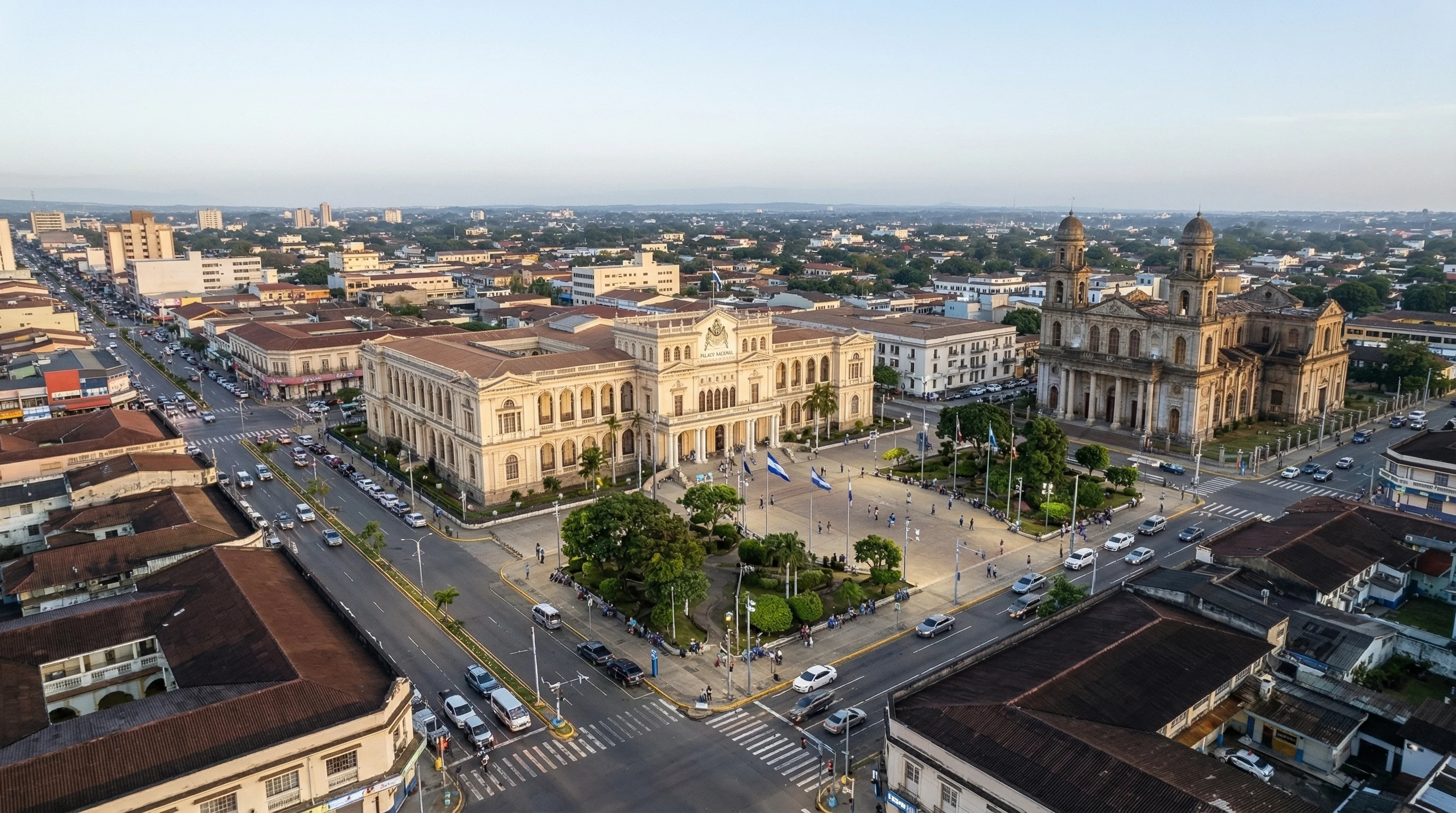
Managua serves as the pivotal logistics and commercial hub of Nicaragua, strategically positioned within Central America. Its economic significance is driven by the nation's key sectors: agriculture (world-renowned coffee, beef, and sugar), textiles and apparel manufacturing, and a growing light industrial base. The city benefits from vital infrastructure, most notably the Port of Corinto on the Pacific coast, which handles the majority of Nicaragua's international maritime cargo. A comprehensive network of highways, including the Pan-American Highway (CA-1), radiates from Managua, connecting it efficiently to neighboring Costa Rica and Honduras, and by extension, to the broader North American road network. This established road infrastructure, combined with its role as the national capital and economic center, makes Managua an indispensable origin point for freight destined for the United States and beyond.
 Destination
Charleston
Charleston, West Virginia, is a strategic inland logistics gateway for the Appalachian and Ohio Valley regions. Its economy is historically rooted in energy (coal, natural gas, petrochemicals) and manufacturing, with significant sectors in chemicals, polymers, metal fabrication, and transportation equipment. The city's logistics strength is anchored by the Port of Charleston, a major inland river port on the Kanawha River that connects to the Mississippi River system, facilitating multi-modal barge traffic. Its highway infrastructure is dominated by Interstate 77, a critical north-south corridor linking the region directly to Virginia, North Carolina, and ultimately to the southeastern U.S. network. This access, combined with rail intermodal facilities and its status as a regional distribution center, makes Charleston a vital destination for full truckload freight serving the industrial and consumer markets of West Virginia and surrounding states.










