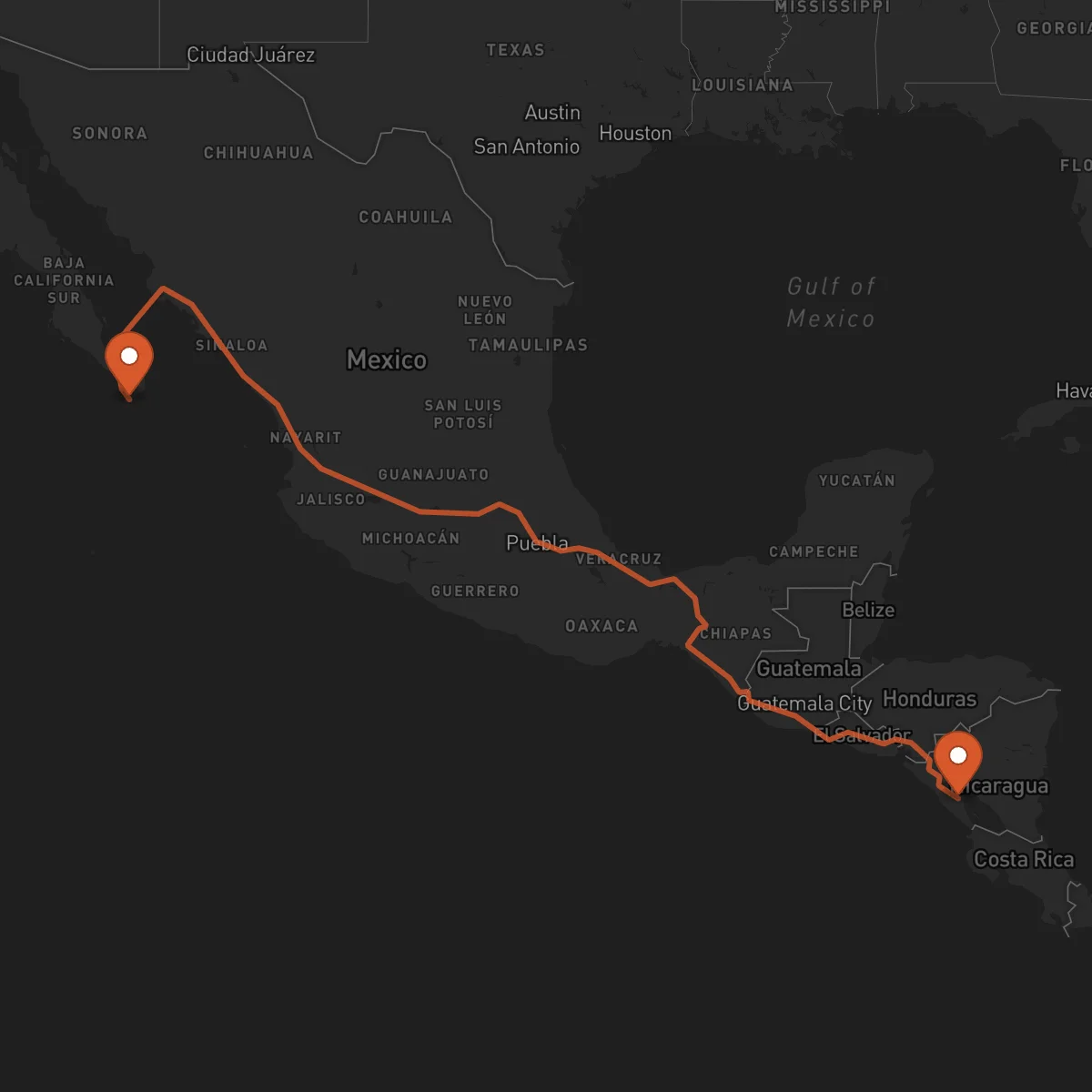
Los Cabos to Masaya
Masaya → Los CabosFTL freight transportation service between Los Cabos and Masaya. Reliable logistics solutions for your business.
Route Description
Everything you need to know about the corridor Los Cabos - Masaya
The Los Cabos to Masaya corridor represents a vital north-south logistics artery connecting the Pacific coast of Mexico with the heart of Nicaragua. This strategic route facilitates the essential flow of goods across Central America, serving as a critical link for supply chains that span the region. For businesses, optimizing transportation along this corridor means accessing key production and consumption markets with reliability. The economic landscape is defined by a mix of Mexico's robust manufacturing and tourism sectors in the Baja California Sur region and Nicaragua's strong agricultural and growing industrial base around Masaya. Main industries leveraging this corridor include the movement of agricultural products, processed foods, construction materials, and manufactured goods. The primary transportation infrastructure relies on Mexico's Federal Highway 1 (Transpeninsular) and the broader Central American highway network, including the Pan-American Highway. Key border considerations involve the Mexico-Guatemala crossing, such as at Ciudad Hidalgo/Tecún Umán, where protocols for customs clearance and documentation are paramount. Control Terrestre facilitates seamless operations on this corridor through our alliance of certified providers. Our network's expertise in cross-border freight, supported by certifications like C-TPAT and FAST, ensures efficient handling of customs procedures. We exclusively provide Full Truckload (FTL) solutions, offering dedicated, expedited, and specialized options for cargo like refrigerated goods or oversized loads, managing the entire door-to-door journey from Los Cabos to Masaya with a focus on human partnership and operational integrity.
Services for this Route
Available services for the corridor Los Cabos - Masaya
 Origin
Los Cabos
Los Cabos, located at the southern tip of Mexico's Baja California Sur peninsula, holds a strategic position for logistics as a major Pacific gateway and tourism hub. Its economic sectors are predominantly driven by world-class tourism, commercial fishing, and emerging light manufacturing. The region produces significant seafood, agricultural goods like chilies and tomatoes, and supports construction for its hospitality industry. Key transportation infrastructure includes the Los Cabos International Airport (SJD) for air cargo and the Federal Highway 1, the Transpeninsular highway, which provides the primary land connection north through the Baja peninsula to the mainland. Port facilities in the region, such as the Port of Los Cabos, handle cruise and some commercial traffic, though the corridor's freight primarily originates via road from local industries and distribution centers. This origin point serves as a consolidation hub for goods destined for Central America, leveraging its well-developed road network to connect efficiently to the mainland border crossings.
 Destination
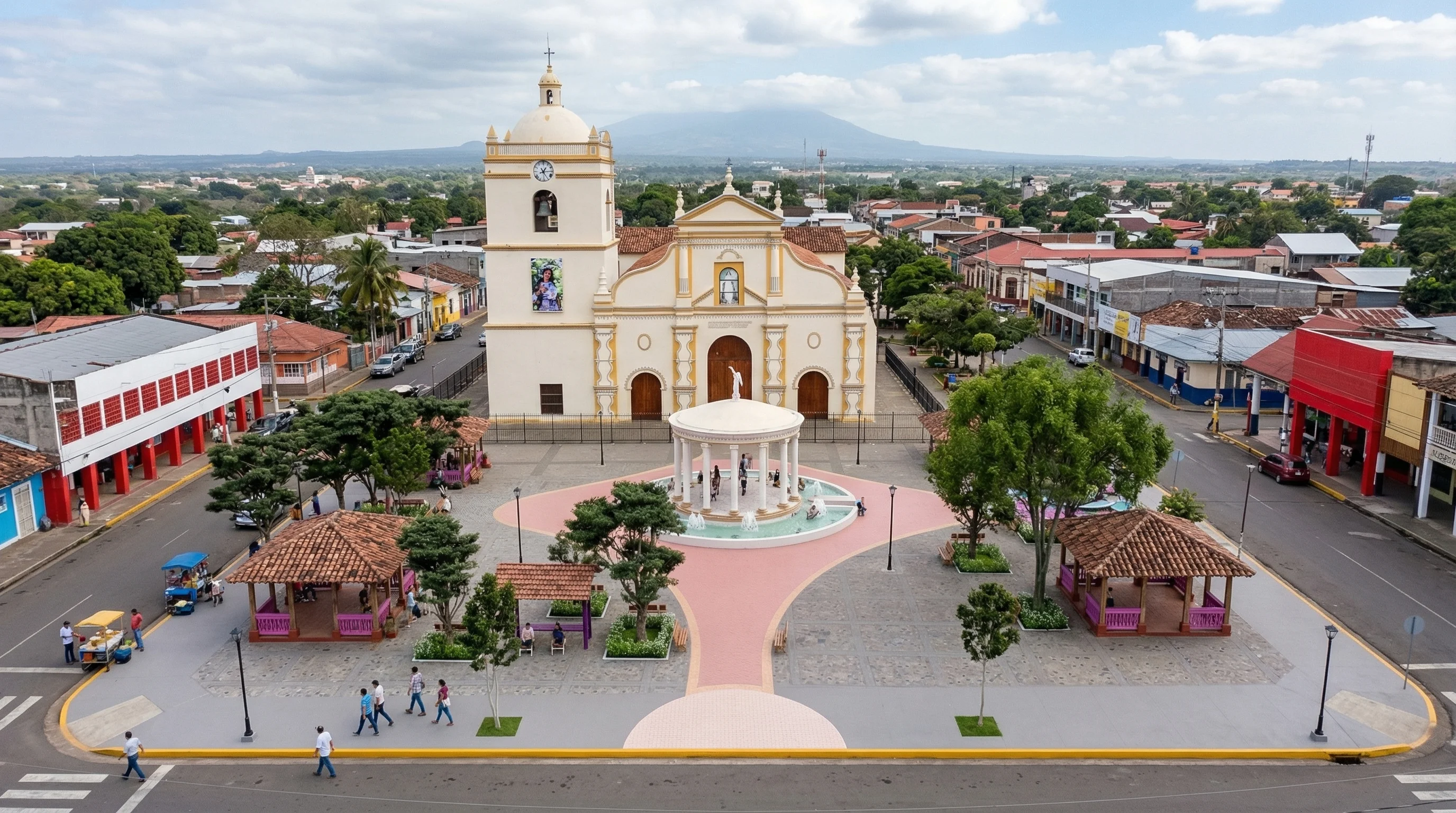
Masaya, situated in Nicaragua just southeast of the capital Managua, is a strategically important logistics destination due to its central location and industrial vitality. It is a key economic center for Nicaragua, known for its active artisan markets and as a hub for agriculture and manufacturing. Main industries include coffee and agricultural processing, textile and apparel manufacturing, food and beverage production, and construction materials. The city benefits from its proximity to Managua's infrastructure, including the Augusto C. Sandino International Airport (MGA) and the Port of Corinto on the Pacific coast. The primary land transportation artery is the Pan-American Highway (Nicaragua's Highway 1), which connects Masaya directly to the capital and extends south to the Costa Rican border. This highway network facilitates the distribution of goods throughout Nicaragua and into neighboring countries, making Masaya a pivotal node for regional supply chains receiving FTL freight from Mexico and beyond.










