Little Rock to Mesa
Mesa → Little RockFTL freight transportation service between Little Rock and Mesa. Reliable logistics solutions for your business.
Route Description
Everything you need to know about the corridor Little Rock - Mesa
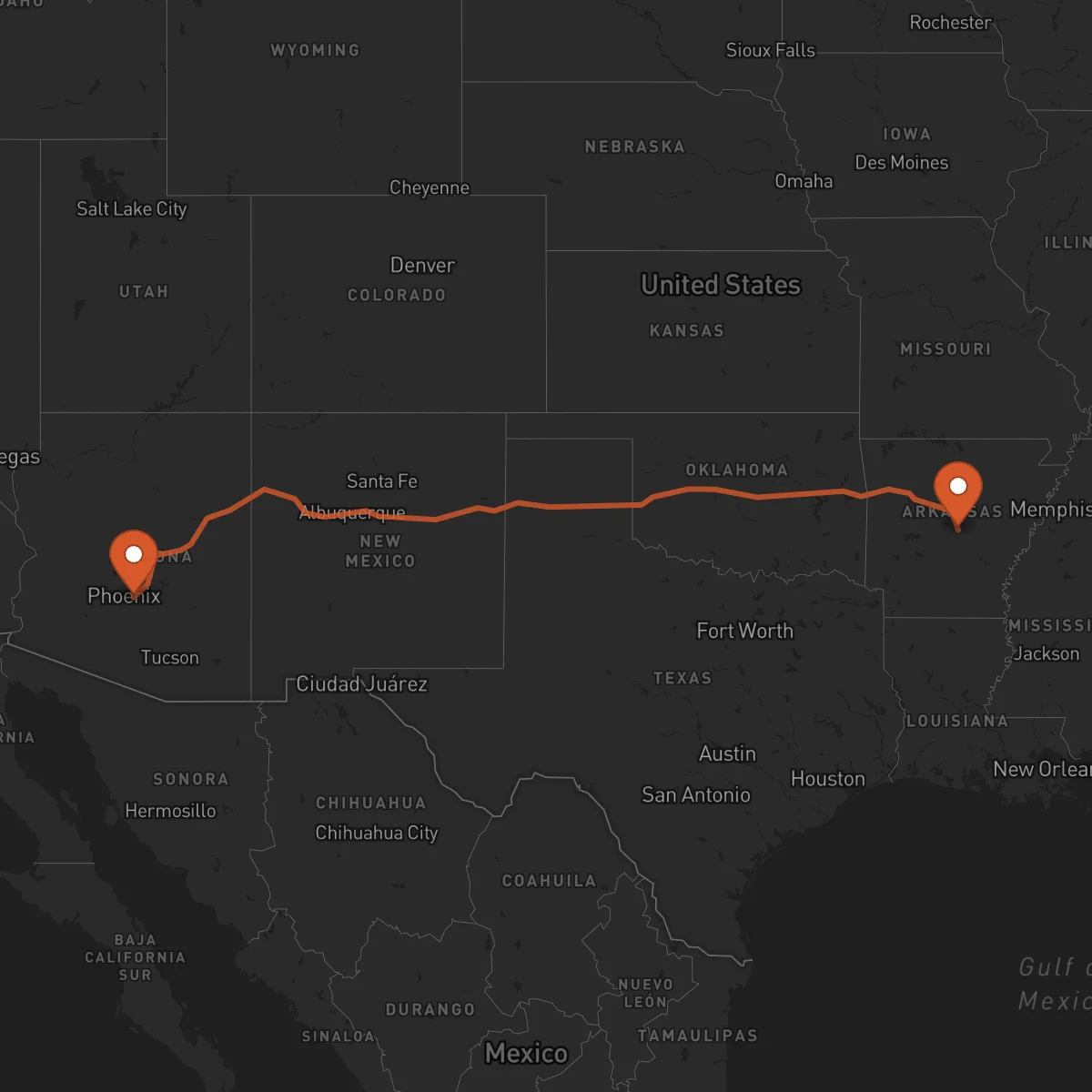
The logistics corridor connecting Little Rock, Arkansas, to Mesa, Arizona, represents a vital freight transportation route spanning approximately 1,804 kilometers across the heart of the United States. This domestic corridor traverses diverse terrain and crosses multiple states, serving as a critical link between the industrial Midwest and the growing Southwest markets. The route facilitates the movement of goods between two strategically positioned cities that serve as economic hubs in their respective regions, supporting the continuous flow of commerce essential to both local and national supply chains.
The economic significance of this corridor is underscored by the complementary industrial profiles of its endpoints. Little Rock serves as a major distribution center for Arkansas and surrounding states, with strong manufacturing, healthcare, and retail sectors. Meanwhile, Mesa has emerged as a key logistics and technology hub in Arizona's rapidly growing metropolitan area. The corridor particularly supports industries such as automotive parts, electronics, consumer goods, and agricultural products, reflecting the diverse economic activities of both regions. Manufacturing facilities, distribution centers, and retail operations along the route depend on reliable transportation services to maintain their operations.
Transportation infrastructure along this corridor is anchored by major interstate highways, including I-30, I-40, and I-17, which provide efficient north-south and east-west connectivity. These highways are designed to handle heavy freight volumes and offer multiple routing options to optimize transit times and avoid congestion. Control Terrestre leverages this robust infrastructure to provide seamless full truckload (FTL) transportation services, ensuring that your cargo moves efficiently from origin to destination. Our experienced carriers and strategic partnerships enable us to navigate this corridor with precision, offering dedicated services that meet the unique demands of your supply chain.
Services for this Route
Available services for the corridor Little Rock - Mesa
 Origin
Little Rock
Little Rock, the capital and largest city of Arkansas, occupies a strategic position in the central United States, making it a pivotal logistics hub for the region. Situated along the Arkansas River, the city benefits from its central location within a day's drive of major metropolitan areas like Dallas, Memphis, and St. Louis. Little Rock's economy is diverse, with strong sectors in healthcare, retail, manufacturing, and government services. The city is home to numerous distribution centers and warehouses that serve as critical nodes in the regional supply chain. Its transportation infrastructure includes the Bill and Hillary Clinton National Airport, extensive rail connections via Union Pacific and Kansas City Southern railroads, and a well-developed highway network anchored by I-30 and I-40. These assets make Little Rock an ideal origin point for freight moving across the country, particularly along corridors like the one to Mesa.
 Destination
Mesa
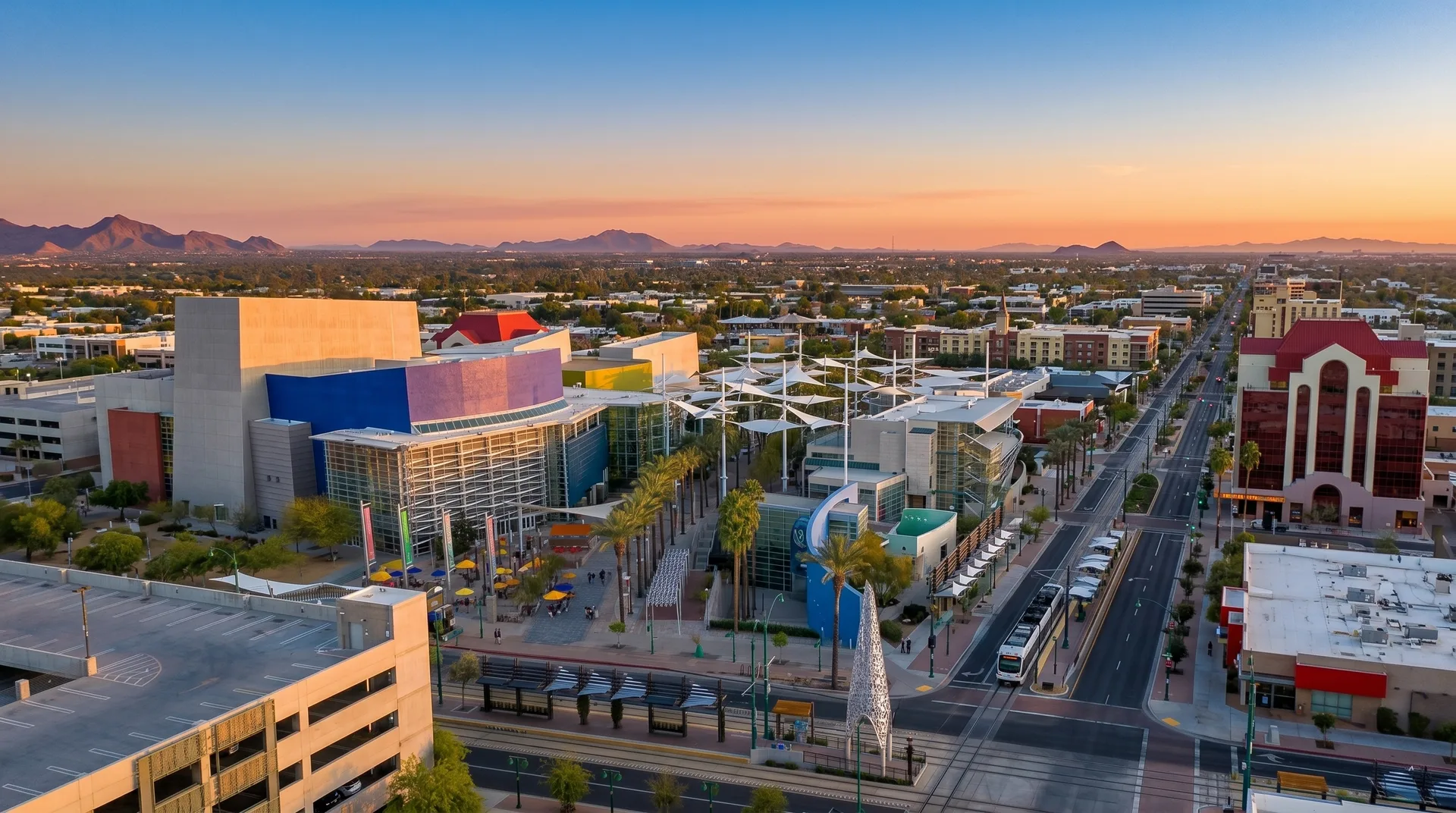
Mesa, Arizona, is a dynamic city located in the Phoenix metropolitan area, serving as a key logistics and economic center in the Southwest. As the third-largest city in Arizona, Mesa benefits from its proximity to Phoenix Sky Harbor International Airport and its strategic location near major highways, including I-10 and US-60. The city has experienced significant growth in recent years, driven by its thriving technology, aerospace, and manufacturing sectors. Mesa is also a hub for e-commerce and retail distribution, with numerous fulfillment centers and warehouses supporting the region's logistics needs. Its warm climate and business-friendly environment have attracted a wide range of industries, making it a critical destination for freight transportation. The city's infrastructure is designed to handle high volumes of cargo, ensuring efficient movement of goods to and from the region.










