Liberia to San José
San José → LiberiaFTL freight transportation service between Liberia and San José. Reliable logistics solutions for your business.
Route Description
Everything you need to know about the corridor Liberia - San José
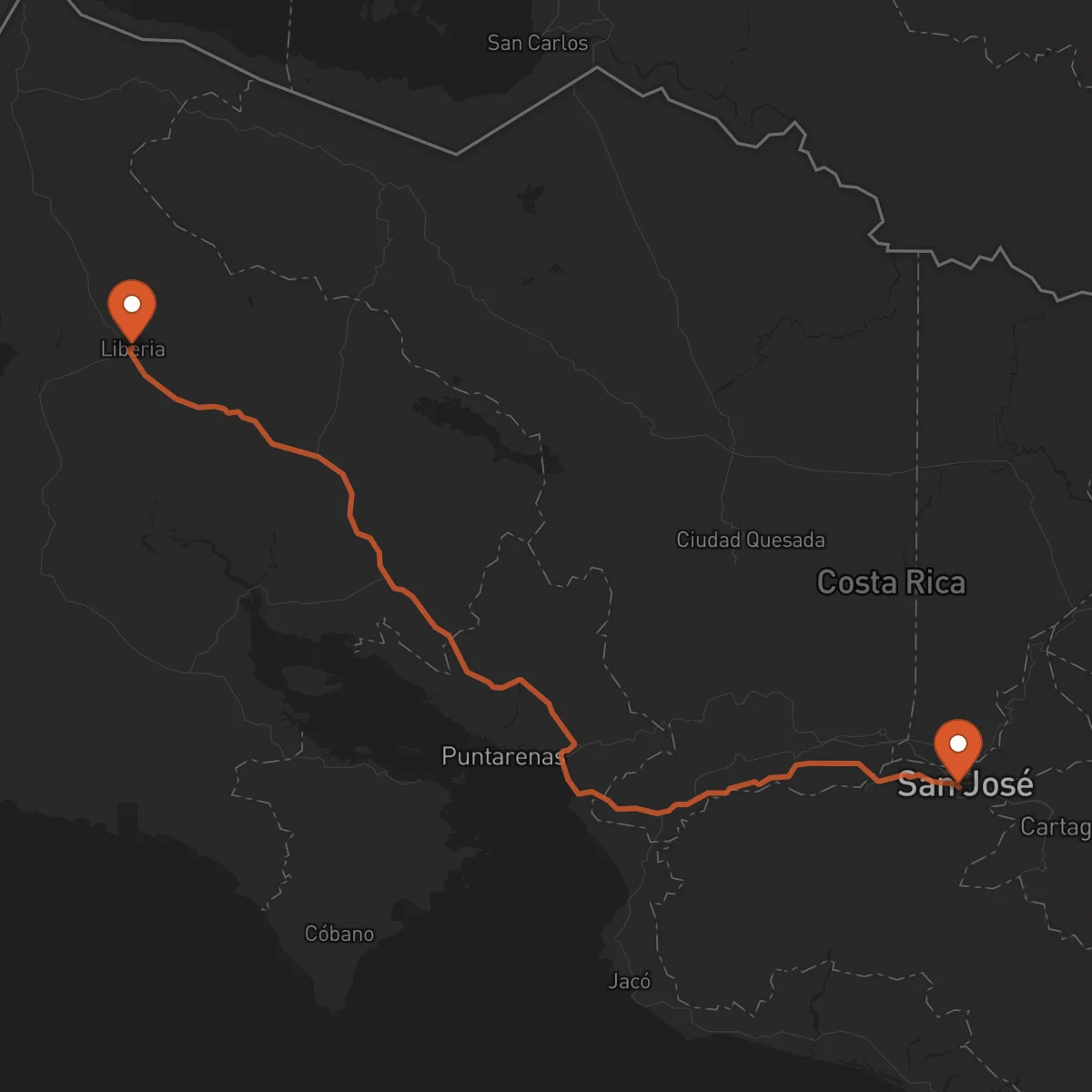
The logistics corridor connecting Liberia, Guanacaste, to San José, San José, represents a vital domestic artery within Costa Rica, spanning approximately 167 kilometers. This route serves as a critical strategic link, facilitating the efficient movement of goods between the Pacific coastal region and the nation's primary administrative and commercial hub. Its importance lies in optimizing domestic supply chains, ensuring that resources and products flow seamlessly between these two key economic zones.
The economic and industrial context of this region is diverse, with the central valley hosting significant manufacturing, services, and agricultural export activities. The corridor supports industries ranging from food processing and pharmaceuticals to technology and finance, which rely on consistent and secure transportation. The primary transportation infrastructure utilized includes the Interamericana Norte (Route 1) and the Route to the Atlantic (Route 27), which provide the necessary connectivity for heavy-duty operations.
Control Terrestre facilitates operations on this corridor by leveraging our exclusive focus on Full Truckload (FTL) dedicated services. We manage the complexities of this route through our network of certified providers, utilizing equipment such as dry vans, refrigerated units, and tankers that meet stringent safety and environmental standards. Our commitment to specialized cargo handling ensures that your freight moves reliably, supported by our values of responsibility and sustainable practices.
This connection is further enhanced by our door-to-door capabilities and expertise in navigating cross-border requirements, ensuring a streamlined process from pickup to final delivery.
Services for this Route
Available services for the corridor Liberia - San José
 Origin
Liberia
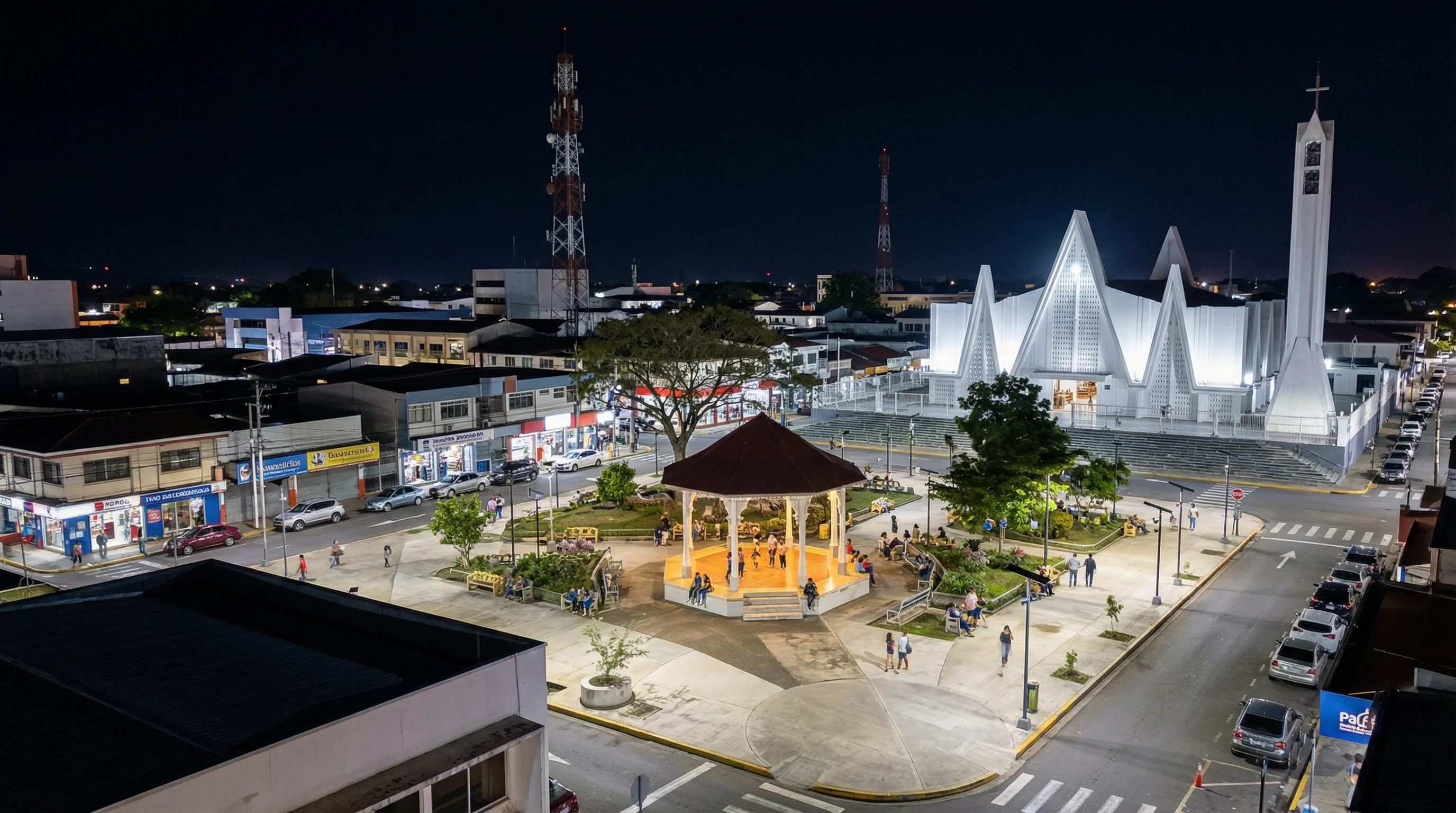
Liberia, located in Guanacaste, serves as a strategic logistics hub due to its proximity to major ports and its role as a gateway to the Nicoya Peninsula. This positioning makes it an ideal origin point for FTL transportation, supporting sectors like tourism, agriculture, and manufacturing. The region benefits from robust infrastructure, including the Liberia International Airport and direct access to the Interamericana highway system, which are essential for domestic freight movement.
The available transportation infrastructure in Liberia is comprehensive, featuring paved highways and direct routes that enable efficient cargo consolidation and dispatch. Control Terrestre utilizes this infrastructure to provide specialized services, including the transport of hazardous materials and oversized cargo. Our providers' certifications ensure compliance with safety and environmental regulations, allowing us to manage the unique demands of this origin point with reliability and focus on responsible handling practices.
 Destination
San José
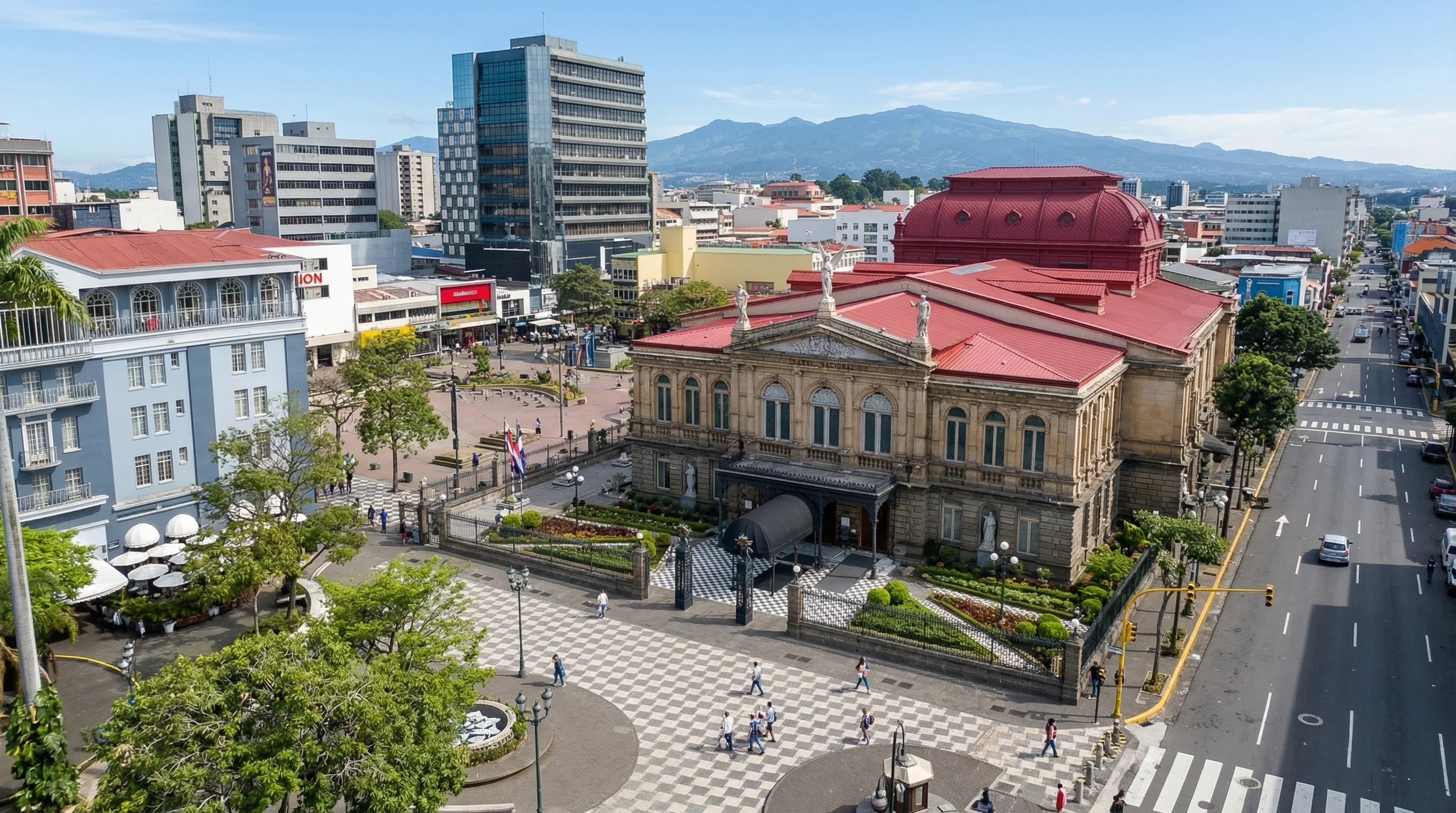
San José, the capital city, is the central logistics destination and economic engine of Costa Rica, consolidating demand for goods and services across various sectors. As a major commercial center, it drives industries such as finance, technology, healthcare, and advanced manufacturing, requiring a steady and sophisticated logistics flow. The city's role as the nation's administrative core makes it a non-negotiable node for any comprehensive distribution strategy.
The transportation infrastructure in San José is well-developed, featuring direct connections to the country's primary routes and international gateways. Control Terrestre operates within this dense urban and industrial environment by offering dedicated FTL services that ensure cargo integrity and timely movement. Our capability to handle refrigerated and specialized cargo, combined with our certified provider network, allows us to meet the complex demands of this destination, supporting the city's continuous growth and operational efficiency.










